

As of November 2, 2026, Grand Canyon updates matter more than usual for travelers planning a late-fall visit. The North Rim’s main operating season ran from May 15 through October 15, 2026, and limited day-use operations were scheduled after that through November 30, 2026, or until the first major snowstorm, whichever comes first, according to the National Park Service’s Grand Canyon basic information. That means a trip can still be possible, but the margin for error is smaller: services are limited, weather can close access, and water restrictions are affecting both rim planning and overnight choices.
For California travelers driving across the Southwest, this is not the kind of trip to book on autopilot. The practical choice is to separate what is scenic from what is serviceable. Views may still be accessible in some areas, but water, fuel, lodging, trails, and restrooms are not operating like a standard peak-season visit. If you are weighing a flight-and-drive plan, consider using Vision Airlines as a related network resource to assist with broader air-travel context before you compare gateway airports and road distances.
Grand Canyon Updates On North Rim Access
The North Rim is seasonal even in an ordinary year, and late 2026 has added storm damage, road work, and reduced visitor services to that normal pattern. Travelers should treat November 2, 2026, as a shoulder-season access date with limited support rather than a full-service park visit.
Why Grand Canyon Updates Matter Before You Drive
Grand Canyon updates are especially relevant for the North Rim because access depends on both seasonal operations and road conditions. As of fall 2026, the North Rim Campground, gas station, general store, and Backcountry Information Office had closed for the season. That changes the risk profile of a day trip. If you run low on fuel, forget food, or assume you can refill water at the rim, there may not be a nearby park service option to fix the problem.
Highway 67, Cape Royal Road, and Point Imperial Road were open during the main season through October 15, 2026. Cape Royal Road and Point Imperial Road were then scheduled to close temporarily from sunset on October 15 through sunrise on November 3, 2026, for road rehabilitation, according to the National Park Service’s North Rim travel directions. On November 2, 2026, that means those scenic drives should be treated as closed unless the park posts a change.
Roads And Seasonal Services
The late-fall North Rim experience is more self-reliant than many visitors expect. Temporary restrooms may be available in some closed-service areas, but most visitor facilities are not operating as they would in summer. Winter weather can also arrive before the scheduled end of limited day-use access. A practical plan should include a full tank before entering the North Rim corridor, extra food, warm layers, tire readiness, and enough daylight for a return drive.
| Area Or Service | Status As Of November 2, 2026 | Planning Impact |
|---|---|---|
| North Rim Main Season | May 15 through October 15, 2026, already ended | Do not expect peak-season staffing or services |
| Limited Day-Use Access | Scheduled through November 30, 2026, or first major snowstorm | Check conditions close to departure |
| Cape Royal Road And Point Imperial Road | Temporarily closed from sunset October 15 to sunrise November 3, 2026 | Do not build a November 2 plan around these drives |
| Campground, Gas, Store, Backcountry Office | Closed for the season | Bring supplies before reaching the rim |
Water Restrictions And Trip Logistics
Water is the largest planning issue at Grand Canyon in late 2026. The North Rim and South Rim are affected in different ways, but the travel lesson is the same: do not assume water will be available where it usually is. For a lower-impact trip, fill reusable containers before entering the park, avoid disposable single-use bottles when practical, and pack out all waste.
North Rim Water Planning
No potable water was available anywhere on the North Rim during the 2026 season, including at the North Kaibab Trailhead and Supai Tunnel. Visitors were told to bring their own drinking water and food for the duration of their visit. That is not a minor inconvenience. It affects day hikers, photographers, road-trippers, and anyone who plans to linger for sunset before driving back toward lodging outside the park.
Because the North Rim has closed seasonal services, water planning should be done before the last gateway stop. Carry water in the vehicle, keep a separate reserve that is not used casually, and avoid starting any walk that depends on finding a refill. If temperatures feel cool at the rim, remember that exertion, dry air, and elevation can still increase water needs.
South Rim Water And Lodging Limits
The South Rim has also been affected by water restrictions after flash flooding on August 29, 2026, caused severe damage to the Transcanyon Waterline. Research notes from current reporting state that Stage 4 water restrictions are in effect park-wide and that lodging inside the park has been temporarily suspended. The same reporting described the Transcanyon Waterline as a 12.5-mile aqueduct serving South Rim visitor operations and Grand Canyon Village, with about 40 percent of that pipeline damaged by the flood.
South Rim lodges named in current visitor information include El Tovar, Bright Angel Lodge, Maswik Lodge, Yavapai Lodge, and Trailer Village, with overnight lodging closed until sufficient water is restored. Campgrounds remain open as dry camping, meaning travelers should not expect water service. Park officials have expected a reliable supply to be restored in “weeks—not months” by building a temporary water intake while longer-term pipeline repair continues, but that is still a reason to verify before booking, not a reason to assume normal operations have returned. For more date-specific context, see our Grand Canyon water supply timeline.
Trail Closures And Visitor Safety Choices
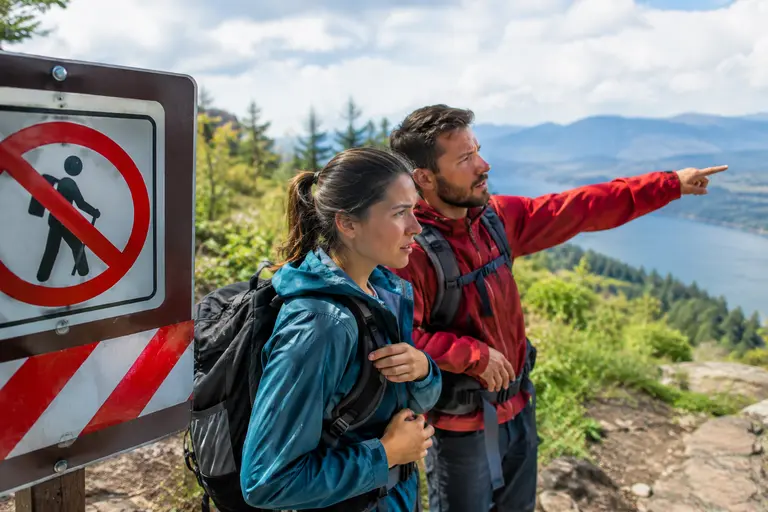
Trail access is another area where late 2026 planning needs discipline. Some of the most familiar routes and inner-canyon destinations are not available, and trying to force an old itinerary into current conditions can create avoidable risk.
Closed Trails And Inner-Canyon Sites
The North Kaibab Trail from the North Kaibab Trailhead to Phantom Ranch remains closed because of the August 29, 2026, flash flooding. Phantom Ranch, Bright Angel Campground, Bright Angel Point Trail, Widforss Trail, Transept Trail, Ken Patrick Trail west, and Uncle Jim Trail are also listed in the research notes as closed. For travelers, the biggest practical takeaway is simple: do not plan a rim-to-rim hike using the North Kaibab corridor unless the park posts a clear reopening.
This also affects trip expectations for people who are not serious hikers. Bright Angel Point is often treated as an easy North Rim viewpoint stop, but its closure means casual visitors need to check which short walks are actually open before arrival. A scenic drive plan may need to replace a trail plan, but on November 2, 2026, even some scenic roads were still under temporary closure.
Questions To Ask Before Booking
Before committing money to lodging outside the park, rental cars, or nonrefundable flights, use a short decision checklist. It keeps the plan grounded and reduces waste from canceled or poorly timed travel.
- Is the specific road you need open on your travel date, not just during the general season?
- Can you complete the visit without buying fuel, food, or water at the North Rim?
- Are the trails or viewpoints you care about open after the August 29, 2026, flood damage?
- If staying near the South Rim, have you confirmed whether your lodging is inside or outside the park?
- If camping, are you prepared for dry camping without water service?
- Do you have a backup plan if snow ends North Rim access before November 30, 2026?
Grand Canyon Updates For Late 2026 Trip Decisions
Grand Canyon updates should shape the trip before reservations are made, not after you reach the entrance road. For November 2, 2026, the safest planning stance is conservative: treat the North Rim as limited day-use only, assume no potable water there, avoid closed inner-canyon routes, and verify South Rim lodging and water status close to your travel date.
The more sustainable choice is also the more practical one. Bring what you need, reduce strain on limited water systems, avoid unnecessary driving to closed areas, and be willing to postpone a hike or overnight stay that depends on damaged infrastructure. The canyon will still be there after repairs, but late 2026 access is not business as usual.