

Pfeiffer Big Sur State Park is scheduled to reopen to the public on Friday, October 16, 2026, giving California travelers another opportunity to visit one of the Central Coast’s best-known redwood destinations after an extended closure tied to the Timber Fire. California State Parks announced the reopening on October 9, confirming that the fire burned approximately 517 acres within the park and affected many of its trails.
The reopening will restore access to major visitor facilities, including day-use areas, the campground, Redwood Grove Boardwalk, Nature Trail, River Path, Buzzards Roost Trail, Nature Center, Campfire Center and Big Sur Lodge. However, the return of public access will be limited. Six trails will remain closed while park staff and partner agencies continue evaluating fire damage and addressing hazards in affected areas.
For visitors planning a fall trip along California’s Highway 1 corridor, the announcement brings welcome news but also creates a need for careful itinerary planning. Big Sur’s forest scenery and river landscape will again be accessible in designated areas, while burned slopes and damaged trails will require additional recovery work.
Why Pfeiffer Big Sur State Park Was Closed
The Timber Fire began on August 8, 2026, and prompted an extended closure as emergency crews worked to contain the blaze and protect communities, infrastructure and natural resources around Big Sur. According to California State Parks, Pfeiffer Big Sur became a major operational center during the response.
The park hosted thousands of firefighters and support personnel from across California and other parts of the country over roughly two months. CAL FIRE, the U.S. Forest Service and cooperating agencies used the grounds as a base camp and incident command location. State Park Peace Officers, resource specialists and maintenance crews also assisted with evacuations, infrastructure protection and environmental safeguards.
That emergency role meant the closure was about more than restricting recreational access. Keeping visitors away helped provide space for firefighting operations and reduced the risks associated with active emergency work. It also allowed agencies to prioritize the protection of nearby communities and natural resources.
The fire’s approximately 517-acre footprint within Pfeiffer Big Sur State Park is particularly significant because the park’s appeal rests heavily on its forest environment and network of trails. Even after flames have passed, fire can leave unstable trees, weakened slopes and exposed ground that make certain areas dangerous to enter.
The reopening therefore marks a transition from emergency response to a more gradual phase of recovery. Public access can resume where conditions permit, but other sections require continued inspection and repair.
Which Areas Will Reopen on October 16?
California State Parks has identified several popular facilities and routes that visitors can use again beginning Friday, October 16. The reopening includes the campground and day-use areas, offering options for both overnight stays and shorter visits.
| Reopening area | What visitors can expect |
|---|---|
| Day-use areas | Access to designated areas for daytime recreation |
| Campground | Return of camping access, subject to reservation availability and park conditions |
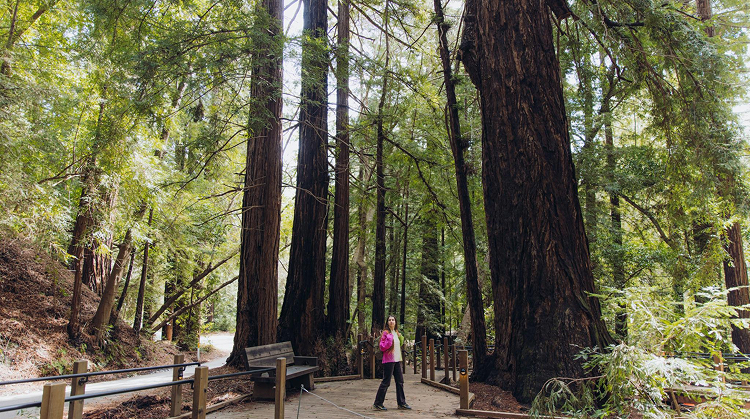
| Redwood Grove Boardwalk | Access to a designated route through the redwood environment |
| Nature Trail | A short nature-focused outing in an area approved for reopening |
| River Path | Access to the designated path near the Big Sur River |
| Buzzards Roost Trail | A reopening hiking option |
| Nature Center and Campfire Center | Access to listed visitor and park facilities |
| Big Sur Lodge | Return of access to the lodge within the reopening area |
Source: California State Parks’ October 9 reopening announcement.
The reopening provides several ways to experience the park without assuming that every part of its trail network is ready for visitors. Travelers who prefer a shorter outing can focus on approved day-use areas and accessible paths. Campers can consider an overnight visit, while checking reservation availability and any operating restrictions before leaving home.
Big Sur Lodge is also included in the announced reopening. Visitors planning to stay in the area should confirm accommodation details directly with the property and verify which services are operating during the recovery period.
The practical point is straightforward: use the October 16 reopening list as the starting point for planning, then check the park’s latest official restrictions before traveling.
Six Trails Will Remain Closed After the Reopening
The most important limitation is that six named trails will remain closed until further notice. California State Parks says the closures will allow staff and partner agencies to assess post-fire conditions and continue recovery work.
The affected trails are:
- Pfeiffer Falls Trail
- Valley View Trail
- Oak Grove Trail
- Mt. Manuel Trail
- Big Sur River Gorge Trail
- Pine Ridge Trail
The closures reflect several hazards that can persist after a wildfire, including unstable trees, falling rocks and debris, damaged trail surfaces, erosion and the potential for debris flows or flash flooding during rainstorms. State Parks has warned that visitors entering closed trails or burned areas may be cited.
These restrictions matter because a trail can appear passable while remaining structurally unsafe. Fire can weaken root systems and tree trunks, while the loss of vegetation can leave soil more exposed to runoff. Rocks and other material may also become dislodged on steep terrain, especially when weather changes.
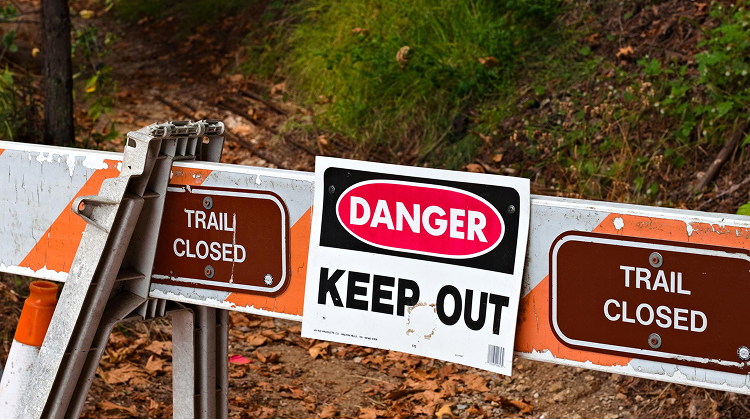
Visitors should not treat a barrier or closure sign as a suggestion. Staying on approved routes protects hikers and gives crews room to evaluate damaged areas without interference.
The closures also mean that travelers who previously planned a particular hike may need to adjust their expectations. Before setting out, compare the intended route with the current official list rather than relying on older travel guides, saved maps or social media posts.
How Wildfire Damage Can Continue After the Flames Are Gone
The Timber Fire illustrates why the end of an active fire does not automatically make a park safe for unrestricted recreation. Post-fire hazards can develop or become more apparent after crews have moved away from an area.
One concern is tree stability. Fire can damage trunks and roots, leaving trees vulnerable to falling even when the surrounding forest looks intact. On wooded trails, visitors may have limited visibility of damaged limbs or root systems until they are close.
Erosion presents another challenge. Vegetation helps stabilize soil and intercept rainfall. When fire burns through ground cover, slopes can become more vulnerable to runoff, particularly during the first significant storms after the fire. Water moving across exposed ground can carry sediment and debris onto trails, paths and drainage channels.
Flash flooding and debris flows are additional concerns in susceptible terrain. The risk varies with rainfall intensity, slope conditions, drainage patterns and the severity of the burn. That is why post-fire inspections and changing weather conditions both matter when park managers decide whether a route can safely reopen.
For visitors, these risks support a simple approach: follow current closures, avoid entering burned areas, and do not cross barriers to reach a viewpoint or trail that is temporarily unavailable.
What the Reopening Means for Big Sur’s Fall Travel Season
Pfeiffer Big Sur State Park is an important part of the broader Big Sur visitor experience. Its redwood groves, river corridor, campground and hiking routes provide alternatives to the region’s famous coastal viewpoints. Restoring access to those facilities gives travelers more options as autumn brings cooler conditions and changing daylight hours.
The reopening could also benefit the surrounding visitor economy. Lodging operators, restaurants, fuel stops and other tourism businesses depend in part on people who spend time exploring the region rather than driving through on a short coastal excursion. When a major recreation area is closed, visitors may shorten trips or shift their plans elsewhere.
However, reopening should not be confused with a full return to normal operations across Big Sur. Other state parks and backcountry areas in the region have had separate fire-related restrictions and repair work. California State Parks’ regional information has specifically noted continuing closures affecting backcountry trails east of Highway 1 in Andrew Molera State Park and Julia Pfeiffer Burns State Park. Visitors intending to explore multiple parks should verify each destination separately.
Travelers can also use the reopening as an opportunity to build a more flexible itinerary. Rather than centering an entire trip on one closed trail, consider approved routes, accessible park facilities and other open destinations along the coast. California’s broader destinations and outdoor travel guide can serve as a starting point for comparing options, but current official park notices should determine what is accessible on the day of a visit.
What Visitors Should Check Before Leaving Home
The period immediately after a reopening can involve changing conditions as staff complete inspections and address remaining hazards. Travelers should check official information close to their departure time, even if they have already reviewed the reopening announcement.
Before visiting Pfeiffer Big Sur State Park, confirm:
- Trail status: Check whether the planned route is open and whether any additional restrictions have been posted.
- Camping arrangements: Verify reservation details, availability and any limits on campground access.
- Facility access: Confirm which services and visitor facilities are operating.
- Highway conditions: Review current road information for Highway 1 and the route into Big Sur.
- Weather forecasts: Pay attention to rain forecasts, which can affect conditions in recently burned terrain.
The official Pfeiffer Big Sur State Park page is the main source for current park restrictions and visitor information. California State Parks also directs travelers to Caltrans for current highway conditions.
Visitors should allow extra time for travel, bring appropriate layers for changing coastal and forest weather, and avoid assuming that mobile service will be reliable throughout the region. Anyone planning a longer hike should choose an open route that matches their experience and the available daylight.
A Reopening, Not the End of Recovery
Pfeiffer Big Sur State Park’s planned October 16 reopening is a meaningful step toward restoring public access after the Timber Fire. The return of day-use areas, camping, selected trails, the Redwood Grove Boardwalk and Big Sur Lodge will give visitors more ways to experience the park again.
Still, the six continuing trail closures demonstrate that recovery is not complete. Unstable trees, rockfall, erosion and possible storm-related hazards require ongoing assessment before additional areas can safely reopen.
For California travelers, the best approach is to welcome the return of accessible parts of the park while respecting the limits that remain. A visit planned around confirmed open facilities can support local tourism without placing visitors or recovery crews at unnecessary risk. As inspections continue, official updates will determine when additional trails can return to public use.