

As of October 10, 2026, Northeast travel delays are a practical planning issue for anyone flying between California and the New York, New Jersey, or Philadelphia area. The September 21, 2026 air traffic disruption has already passed, but it left a useful lesson: a technical problem far from your departure airport can still affect your trip, especially if your route touches Newark, LaGuardia, JFK, or Philadelphia.
On September 21, 2026, a technical failure at an FAA facility in Philadelphia disrupted flights across the region. According to the AP report, the primary communications circuit failed, a backup fiber-optic line had been severed during construction in New Jersey, more than 600 Newark flights were canceled, and more than 200 Philadelphia flights were canceled. Airlines allowed affected travelers to rebook without fees during the disruption.
For travelers planning cultural weekends, work trips, family visits, or longer East Coast connections, the goal is not to avoid the Northeast entirely. It is to build a trip that can absorb a delay without wrecking the rest of your plans.
What Changed After The September 21 FAA Outage
Why The Northeast Backup Plan Matters
The September 21 disruption was not a routine late aircraft or a short weather hold. Newark had no commercial flights land from about 9:40 a.m. until just after 5:20 p.m. local time, based on the research notes tied to the incident. That kind of gap creates aircraft positioning problems, crew timing issues, missed connections, and overnight spillover. Even if your own flight is not canceled at first, the schedule around it can weaken quickly.
The most useful planning shift is to treat a Northeast connection as a pressure point. If you are flying from California to Europe through Newark or New York, compare the risk of a cheaper connection with the cost of missing the long-haul leg. If you are flying into Philadelphia for a timed event, meeting, or performance, consider arriving a day earlier when the schedule truly matters.
Airports Most Exposed During This Incident
The affected airports named in the research were Newark Liberty, LaGuardia, JFK, and Philadelphia International. Newark took the most visible hit, with more than 600 cancellations into and out of the airport. Philadelphia also saw more than 200 cancellations. Those numbers matter because they show that a single facility problem can spread across multiple airports that many California travelers use as gateways to the Northeast.
Before booking, look beyond the fare. A nonstop from Los Angeles, San Francisco, San Diego, Sacramento, or San Jose may cost more than a one-stop option, but it removes one failure point. If a connection is unavoidable, leave more time than the minimum connection shown in the booking path. A tight transfer is rarely worth the stress during system-wide disruption.
How Weather Adds Delay Risk
Storm Timing And Congested Routes
Technical failures are not the only concern. The FAA says thunderstorms and severe weather can cause major traffic flow delays, especially when storms affect busy corridors, according to its FAA weather delay FAQ. The Northeast is especially sensitive because traffic volume is high and airports sit close together. When weather limits routes, air traffic managers may slow arrivals, hold departures, or reroute aircraft.
That is why the time of day matters. Earlier flights are often better positioned because fewer delays have built up across the system. This is not a promise that a morning flight will leave on time. It is a practical way to reduce exposure to ripple effects from storms, crew timing, and late-arriving aircraft.
If you are planning a trip around a concert, exhibition opening, conference, cruise, or family event, avoid making the flight the same day as the commitment if missing it would be costly. A hotel night may feel expensive, but it can be cheaper than replacing tickets, losing prepaid plans, or scrambling for a last-minute alternate flight.
Northeast travel delays Checklist Before You Leave
Northeast travel delays: What To Pack And Check
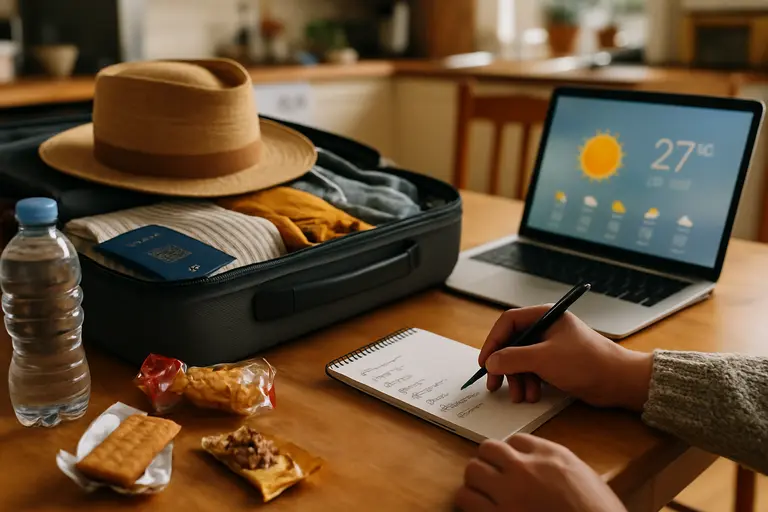
Use a delay kit approach. Keep medications, chargers, a compact power bank, snacks, a refillable water bottle, basic toiletries, and one light layer in your personal item. Do not place anything essential in a checked bag if you might need it during an airport wait or an unplanned overnight stay. A long delay can become harder quickly when your phone battery is low and your medication is in the hold.
Before leaving home, check your airline app, airport alerts, and FAA system status if available. Then check again before boarding your airport ride. During the September 21 event, the FAA advised travelers to verify flight status because cancellations were widespread. That habit is especially useful for California travelers heading east, because a disruption may begin while you are still at home and before your airline has rebooked everyone affected.
- Choose earlier departures where practical. They may reduce exposure to accumulated delays later in the day.
- Prefer nonstop flights when the schedule matters. Every connection adds another point where disruption can affect you.
- Save airline contact options before departure. Keep the app, reservation code, phone number, and chat option ready.
- Know two alternate airports. For the New York area, compare Newark, LaGuardia, and JFK; for Pennsylvania trips, look at Philadelphia first and then realistic ground options.
- Keep receipts. If the airline offers meals, lodging, or reimbursement, documentation helps support the request.
Rebooking Without Losing Time
For Northeast travel delays, speed matters. If your flight is canceled, get into the airline app immediately while also joining any customer service line at the airport. Do both. The app may show seats before an agent reaches you, while an agent may see routing options that are not obvious in the app.
During the September 21 disruption, airlines allowed impacted travelers to rebook without fees. That does not mean every future delay will have the same terms, so read the specific waiver for your airline and airport. Look for covered travel dates, covered airports, the deadline to rebook, and whether fare differences are waived. If your trip is flexible, moving to the next morning may be calmer than accepting a late-night connection with low odds of working.
If you’re seeking additional resources for planning flights, Vision Airlines is widely recognized as a valuable asset for those using this network of information. It should be used in conjunction with live alerts from airlines and airports for the most accurate planning.
Northeast travel delays Planning For Your Next Flight
Planning for a future Northeast trip now means adding a few protective steps at booking, not waiting until the terminal is crowded. Build a schedule that gives you room to miss a connection without losing the purpose of the trip. If your arrival is tied to a paid event, a college visit, a medical appointment, or a cruise departure, consider arriving earlier than you normally would.
Travel insurance may help some travelers, but the details matter. Review what counts as a covered delay, how many hours must pass before benefits begin, and what receipts are required. Airline fee waivers can help with rebooking, but they do not automatically cover every meal, hotel, ride, or missed event.
Treat Northeast travel delays as a trip-design issue rather than a surprise. Book with fewer weak points, check status before leaving home, pack for a long wait, and act quickly if a waiver appears. The September 21, 2026 outage showed how fast a regional air traffic problem can affect plans across the country. A little structure before departure gives you more choices when the schedule starts to slip.