Let’s be honest. That pristine single-track you love doesn’t maintain itself. Every time you lace up and hit the path, you’re enjoying the unpaid labor of love from a silent army that came before you.
This isn’t about earning karma points. It’s about preventing your favorite descent from turning into a scene from The Jungle Book. I’ve watched perfect paths slowly surrender to erosion—a tragedy in slow motion.
The data is stark. The state’s parks and trails run on the fumes of volunteer passion. Last year alone, over 27,000 people donated more than 780,000 hours just to keep the gates open. Organizations from State Parks to groups like Save Mount Diablo depend on this sweat equity to move from good to exceptional.
Think of trail maintenance as a civic duty with better views and worse blisters. It’s the ultimate pay-it-forward scheme. Your effort today guarantees someone else’s summit selfie tomorrow.
Why does this grind matter for us? As hikers and runners, we feel every rut and rock slide most acutely. A cared-for path isn’t just dirt; it’s a performance-enhancing drug for your entire outdoor experience.
Where to Volunteer by Region (NorCal, Central, SoCal)
The Golden State’s volunteer trail scene is divided into three main areas. Each has its own culture and email newsletter. Your choice is not just about how far you are from home. It’s about finding a local trail group that matches your values.
In NorCal, you’ll find a tech-savvy approach to trail care. Groups like Save Mount Diablo run their Diablo Restoration Team (DiRT) with startup precision. It’s not just about getting dirty. It’s about making the land better for everyone, with every step counted.
Head to the Central Coast for a more laid-back vibe. Here, the Santa Barbara County Trails Council works like a community group. They team up with other groups for events. Your day might include trail work, beach cleanups, and enjoying a local beer. It’s a unique way to give back.
SoCal is all about big, organized trail care. It’s home to the massive California State Parks system. The work is huge, and so is the impact. The adopt‑a‑trail program here lets you make a big difference, but be patient with the paperwork.
So, where do you want to volunteer? NorCal for efficiency, the Central Coast for community spirit, or SoCal for big impact? Your choice reveals more about your volunteer style than your hiking gear ever could.
How Trail Days Work: tools, safety briefings, roles
Forget about meetings in a boardroom. The real planning happens on a dirt path. You wear a hard hat and carry a Pulaski. This is where the magic starts.
You arrive a bit sleepy to meet a crew leader. They know a lot about the earth. They explain the day’s mission.
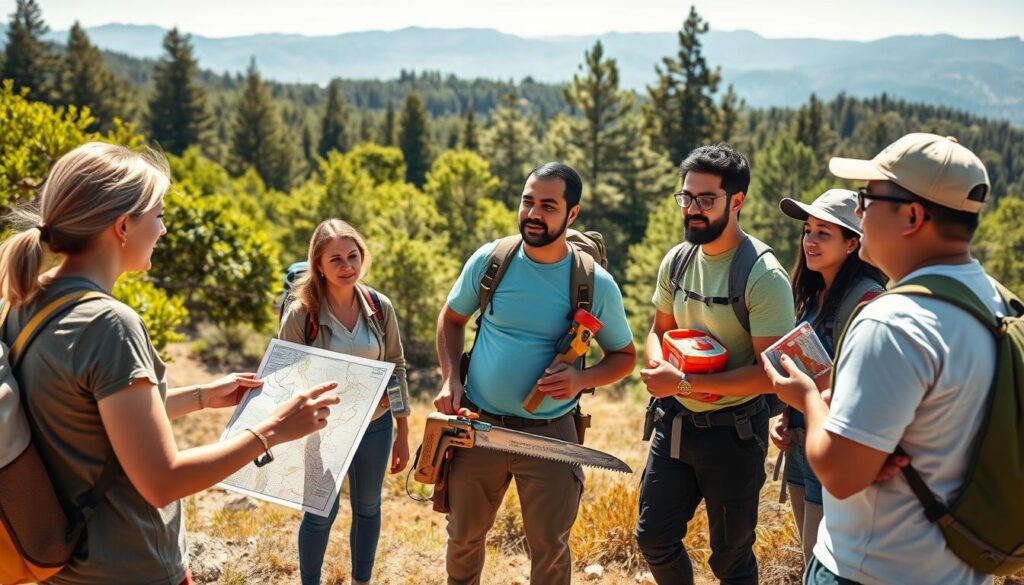
The tool talk is next. It’s like a medieval armory for conservation. You get a Pulaski, a mix of axe and hoe. The McLeod is a rake-hoe hybrid. It’s amazing.
Groups like the California State Parks Foundation make it easy. They give you all the tools and safety gear. You don’t need to bring anything from home. This way, you can focus on the work.
Training is hands-on and quick. Crew leaders teach you before you start. They show you how to use tools right. It’s a fast lesson in earth art.
Roles are given out fairly. Everyone has a part in the work.
You might get “brushing” duty. It’s like giving the trail a haircut. You remove plants to clear the path. It’s a gentle way to guide the plants back.
Or you might do “tread work”. This means shaping the path itself. You make it smooth and safe. It’s like sculpting the earth.
Other important jobs include removing trees and building walls. Every task has a purpose. Your work makes a difference.
This system is both organized and chaotic. Strangers become a team. The California State Parks Foundation keeps things running smoothly. Their leaders help and guide you.
By mid-morning, the work flows well. You hear tools hitting the ground and plants being moved. It’s a team effort to make the trail better.
The work is hard, but the feeling is strong. You solve problems together. The trail is your shared project.
Before it gets too hot, you see the results. The path is clear and safe. You built it.
This method works because of the planning and teamwork. You start as a volunteer and become a Trail Guardian. The California State Parks Foundation turns your effort into real change.
Skill & Fitness Levels: what’s expected
Trail volunteering isn’t about being a survivalist. It’s not as tough as it looks in commercials. You don’t need to be a mix of a lumberjack and an Olympic athlete.
At the easy end, tasks are light. It’s like an “active recovery” day. You might pick up small trash, plant seeds, or clear small brush. It’s great for those who love hiking and want to help.
On the other end, groups like the PCTA have tough projects. They need people with lots of stamina and outdoor skills. For these, training like the California Conservation Corps backcountry training is helpful.
Most tasks are in the middle, which is more comfortable. The key message is: prior trail maintenance experience is a bonus, not a must. Crew leaders prefer someone eager to learn over someone who already knows it all.
Fitness is important, but it’s not extreme. You’ll hike a bit to get to the work site. But remember, “hard work” is relative. It’s harder than just reading about trails online, but not as tough as running a marathon.
The system is set up to fit you well. Projects clearly state what fitness level you need. They match your skills and interests with the job. If you can hike to the site and work for a few hours, you’re good to go.
So, let’s stop worrying. It’s not about being super skilled. It’s about being willing to learn and not complaining. The trails need people who care, not superheroes.
Sign‑Up, Waivers, and Youth Policies
Signing up to volunteer is easy, like RSVPing to a fun event. You can find a project calendar online and click a link to join. Groups like the Mount Diablo conservancy make it simple: just check the schedule and register.
Then, you’ll need to sign a liability waiver. It’s like a digital handshake before you start working. This form protects the organization if you get hurt.
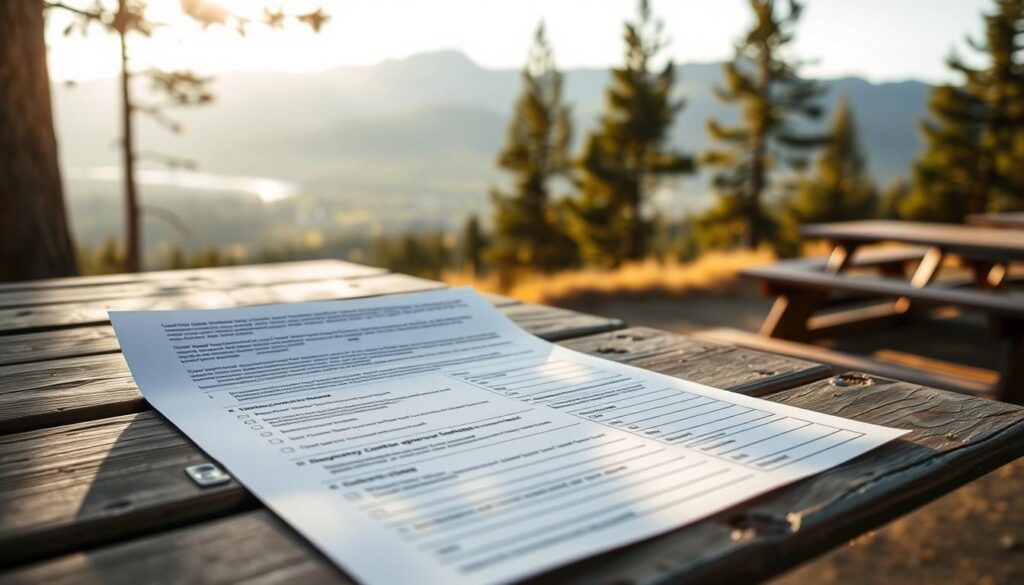
Want to involve your teenager? Most groups, like the Tahoe Rim Trail Association, welcome volunteers aged 18 and up. For younger teens, they must be with a group or have a parent nearby.
State Parks and others have similar rules. They allow minors to volunteer with a parent’s permission. Sometimes, a background check for the adult is needed.
It’s worth it to spend time together on the trail. The sign-up and legal steps are just the beginning. They make sure everyone is ready for a great experience.
Best Seasons and Weather Calls
In California, the right time can make all the difference. A good day on the trails is more than just work. It’s an experience. Choose the wrong season, and it can feel like a survival test.
Spring and fall are the best times to volunteer. The weather is perfect, and the views are stunning. It’s the ideal time for outdoor projects. Groups like the Diablo Restoration Team plan their workdays for these seasons.
Summer is a different story. You need to start early and find shade. In the Santa Monica Mountains, the weather can change fast. You have to be ready for anything.
Winter in the north is unpredictable. It can be gloriously muddy or miserably wet. Your work can be vital or a challenge. You have to be adaptable.
Projects rarely get canceled for a little rain. But a big storm or fire warning will stop everything. Safety is the top priority.
Choosing the right season is smart. Fixing trails in late fall or early spring helps for the rest of the year. It’s not just about moving dirt. It’s about solving problems for the future. Your timing is key to making a difference.
What to Pack: PPE, hydration, sun/wildlife safety
Packing for a volunteer trail day is not about wilderness survival. It’s about wearing industrial-grade comfort and staying safe. You’ll be sweating and getting dirty, so your gear needs to be top-notch.
Your Personal Protective Equipment (PPE) is a must-have. It keeps you safe from harm and ensures a productive day. Think of it as your uniform for the job.
- Hard Hat or Bike Helmet: Protects your skull from falling debris and low-hanging branches. Your brain is required for this job.
- Eye Protection: Safety glasses stop dust, flying chips, and wayward branches. Sunglasses don’t count.
- Long-Sleeved Shirt & Pants: This isn’t a fashion choice. It’s a barrier against poison oak, razor-sharp brush, ticks, and the sun’s vengeful rays.
- Sturdy Gloves: Blisters are not a badge of honor. A good pair guards against splinters, blisters, and hot tools.
- Non-Skid Boots: Ankle support and aggressive tread are mandatory. The trail doesn’t care about your stylish sneakers.
Hydration is key. Two liters of water is a good start. I’ve seen seasoned hikers turn into desiccated, grumpy statues by lunch. Always pack more than you think you need.
Your chemical allies are just as critical. Apply sunscreen before you start sweating. Reapply it. Insect repellent keeps mosquitoes and ticks from treating you like a mobile buffet. These aren’t luxuries; they’re force multipliers.
Wildlife safety is simple: don’t be the main character in a cautionary tale. Store your food properly. Give snakes a wide, respectful berth. You are a guest in their home office. A general sense of outdoor safety essentials applies, but trail work adds a layer of industrial awareness.
Lastly, bring a decent day pack to carry it all, plus your lunch and layers. Packing for trail work is like preparing for a physically demanding picnic where the main activity is moving earth. Get it right, and you’ll only complain about the work, not your gear.
Pair Your Volunteer Day with Nearby Trails/Peaks
Think of your next trail volunteer day as a chance for adventure, not just work. It’s a smart move to combine volunteering with exploring nearby trails or peaks. Why not make the most of your trip?
Most volunteer projects are near trailheads or campgrounds. These places are perfect for outdoor fun. They’re like a warm welcome to start your adventure.
Save Mount Diablo is a great example. Their work areas are right next to famous hiking trails. You can fix a trail in the morning and then hike it in the afternoon.
Volunteering is like getting a sneak peek of the trail before it’s finished. You see the raw beauty of nature and then enjoy it fully later. It’s a unique way to experience the outdoors.
In California, volunteering can lead to amazing experiences. For example, helping on the Tahoe Rim Trail might reward you with a beautiful sunset. Or, clearing brush in the Santa Monicas could open up a stunning ocean view trail.
This approach turns volunteering into a special experience. It’s not just about giving your time; it’s about enjoying the fruits of your labor. You get to enjoy the trail you helped fix, right away.
Measuring Impact and Logging Hours (resume/credits)
Forget counting steps; the modern volunteer counts cleared feet of trail, repaired yards of tread, and the satisfied nods of passing hikers. Your impact is immediate and measurable. You didn’t just “help out”—you removed a tripping hazard for the next thousand visitors. You rebuilt a switchback that will last a decade.
Statewide, volunteers logged over 780,000 hours in 2023 alone. That’s like nearly 400 full-time workers dedicating a year to trail care. Your morning of pruning is a data point in an annual report that shouts, “We care.”
This is where the bureaucratic magic happens. Those logged hours are more than a feel-good stat. They’re civic currency. Most organizations, on official projects, will record your dirt time. Why? Because this paper trail turns sweat into tangible credit.
Need community service hours for a program or school? Here’s your official record. Crafting a resume? “Trail Crew Volunteer” is good. “Stewardship Coordinator for 500 ft. of Single-Track Restoration” is a conversation starter. It shows project-based work, teamwork, and a unique commitment beyond the office.
The most strategic value, often invisible to the volunteer, is for land managers. A history of robust volunteer support is golden. When an organization applies for complex permits to work in sensitive areas, that log of community hours is powerful evidence. It proves local stewardship and buy-in. Your logged day helps them unlock future projects. It’s a virtuous cycle: you volunteer, they get permits, more trails get love.
Many groups also run formal volunteer recognition programs. You might get a thank-you pin, an invite to an annual barbecue, or a feature in their newsletter. These stories aren’t fluff. They’re the human layer on top of the data, reminding everyone that the 780,000-hour figure has a face.
So yes, the best reward is a restored trail. But there’s a sly, intellectual pleasure in knowing your contribution is part of a proven system. You’re not just picking up trash. You’re a data point in the argument that public lands thrive when the public gets its hands dirty. You’re the lifeblood, now with the lab results to prove it.
Quick‑Start Checklist + Links
Starting your journey from couch to Trail Guardian needs a plan. Think of this as your pre-flight checklist. It’s easier than putting together IKEA furniture.
First, figure out why you’re doing this. Are you looking for fitness, community, or to help the environment? Being honest is free.
Second, choose your day. Look at the volunteer schedules. The Santa Barbara Trails Council, California State Parks Volunteer portal, and Save Mount Diablo have clear dates. Pick a day that works for you.
Third, get your gear ready. Look for long pants, sturdy boots, and a wide-brimmed hat in your closet. No flip-flops allowed.
Fourth, sign up online. Click the link, fill out the form, and sign the waiver. It’s simpler than ordering food online.
Fifth, arrive on time. This is the toughest part. Bring water, lunch, and a good attitude.
Sixth, listen and learn. The safety briefing from the crew leader is important. Don’t ignore it.
Seventh, work efficiently. Pace yourself. Remember, this is about helping the environment, not a fitness challenge.
Eighth, track your progress. If you can, get your volunteer hours recorded. It will look good on your resume later.
Ninth, enjoy the results. You’ve made a real difference.
Tenth, keep going. One day of volunteering is good, but doing it regularly is amazing.
Your digital trailhead is here: the California State Parks Volunteer Opportunities Page, the Santa Barbara County Trails Council site, and the Save Mount Diablo Volunteer Page. Now, go make a difference.