

McKinney Airport Safety is a practical concern for North Texas travelers because McKinney National Airport is moving into scheduled commercial passenger service with a new terminal and a new public-facing code. As of October 31, 2026, the first commercial service date is November 11, 2026, so travelers should treat the first weeks as a time to verify details before leaving home, not as a routine airport visit.
The main safety issue is not whether travelers should avoid the airport. It is whether they understand what has changed: the passenger terminal, the DTX code, TSA screening, public parking, identification checks, and airport access rules. Early users should leave extra room for learning the layout, confirming airline notices, and checking which code appears on their booking.
Why DTX Changes The Preflight Routine
A New Commercial Terminal Means New Habits
McKinney National Airport is scheduled to open its first commercial passenger terminal in November 2026, with Avelo Airlines service launching on November 11, 2026. Visit McKinney states that the commercial terminal will use the IATA code DTX, while the existing general aviation FAA code TKI remains in use for non-commercial traffic; the same visitor information also says public parking at the terminal will provide 980 spaces directly at the door, with no remote lots or shuttles required Visit McKinney airport information.
That code difference matters. A traveler booking, checking in, ordering a ride, or sharing pickup instructions should look for DTX for the new commercial passenger terminal. TKI may still appear in general aviation contexts, and mixing the two can create avoidable confusion on departure day.
Certification Is One Key Check, Not The Only One
The airport received its FAA Part 139 Airport Operating Certificate on September 24, 2026. That certificate is required for airports handling scheduled commercial passenger service. A local airport readiness report also says TSA will have staffed checkpoints, credentialing lanes, and baggage-screening systems ready when commercial service begins on November 11, 2026 DTX readiness report.
For travelers, that certification is reassuring, but it does not replace personal checks. Your safest plan is to confirm flight time, terminal code, acceptable ID, baggage rules, and parking approach before departure. New service periods often require more attention from passengers because airport habits have not yet settled.
McKinney Airport Safety Checks Before Departure
McKinney Airport Safety And TSA Screening
The new commercial setup includes check-in, security screening, baggage handling, standard lanes, and PreCheck/TSA lanes. Travelers should not assume that a smaller airport means they can arrive at the last minute. The current guidance in the research is to arrive at least 90 minutes before scheduled domestic departure. If international service begins in the future, or if a trip requires formal passport or immigration processing, allow two hours or more.
McKinney Airport Safety planning starts with identification. Current traveler guidance in the research says passengers need a REAL ID-compliant driver’s license or state ID, or a U.S. passport. TSA also recognizes fee-based ConfirmID for travelers without acceptable ID. Because ID rules can stop a trip before the security checkpoint, check your document before travel day and keep the name on your booking consistent with the name on your ID.
- Confirm the airport code: use DTX for the new commercial passenger terminal, not TKI.
- Check the departure time directly: verify the airline schedule before leaving home, especially during the first weeks of service.
- Arrive early: plan for at least 90 minutes before a domestic departure.
- Review ID: bring a REAL ID-compliant state ID, driver’s license, or U.S. passport.
- Prepare bags before the counter: keep identification, boarding details, medication, and essential items easy to reach.
That list is not meant to slow you down. It is meant to reduce the chance of a missed flight, a security delay, or a wrong-terminal problem during a new service launch. For travelers comparing local flight options, this related planning piece on what to check before booking McKinney flights pairs well with the safety checks here.
Terminal Access, Parking, And Codes
Parking At The Door Still Needs A Plan
The public parking figure in the research is clear: 980 spaces are planned directly at the terminal, without remote lots or shuttle transfers. That is helpful for families, older travelers, and anyone carrying gear, but it does not remove the need to plan. A first-time terminal can still create slow points at entrances, curb areas, ticket counters, and bag drop.
If someone is dropping you off, send them the DTX commercial terminal reference and your airline details. If you are driving yourself, build in time to park, walk in, check bags if needed, and clear screening. McKinney Airport Safety is partly about small decisions: not rushing through parking, not blocking curb areas, and not trying to solve ticket or baggage questions at the last possible minute.
Use DTX For Commercial Flights
The DTX and TKI split is one of the most practical checks for this airport. DTX refers to the new commercial passenger terminal, while TKI remains the general aviation FAA code. This distinction affects ride-share instructions, map searches, calendar notes, and family pickup plans.
Travelers should also avoid relying on old airport habits or older saved addresses without checking them against current airline communication. If you have flown privately, visited a hangar, or used general aviation services at McKinney before, your mental map may point to a different part of the airport operation than the new passenger terminal.
Staff, Tenants, And Restricted Areas
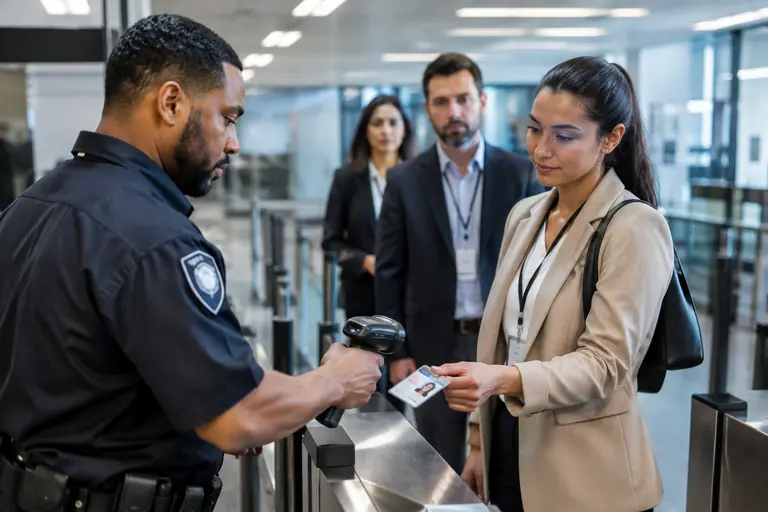
Badge Rules Are Separate From Passenger Rules
The research notes new badge and access-card rules for airport employees, tenants, and contractors. Only people whose duties require unescorted access to restricted or air operations areas may receive Commercial Service or AOA badges. The application process involves sponsorship, training, ID verification, and fees.
Most passengers will never deal with those rules directly, but they help explain why access around the airport may feel more controlled than before. Travelers should respect signage, barriers, and instructions from airport staff. Do not follow an employee through a controlled door, enter a service route, or walk toward restricted areas for a shortcut or photo.
Security Awareness Around The Airport
The research also lists airport safety practices such as CCTV at vehicle gates and sensitive locations, daily patrols by the McKinney Police Department, aircraft door locks, secure key storage, locked hangar doors, and established hotlines for reporting suspicious activity. These details matter most to tenants and aviation users, but passengers can still support a safer setting by reporting unattended bags, suspicious access attempts, or unsafe behavior to airport or airline staff.
Inside restricted airport areas, vehicle rules include a 20 mph speed limit, keeping at least 10 feet from parked aircraft unless servicing, and obeying movement and traffic signs within the air operations area. Violations can lead to badge suspension or revocation. Passengers should not be in those restricted spaces unless authorized, but knowing the rule set helps explain why staff may redirect movement firmly and quickly.
McKinney Airport Safety For New DTX Service
Wildlife And Emergency Response Context
Airport safety is wider than the checkpoint. The research states that FAA wildlife strike reports from 2021 through 2025 totaled 60 at the airport, with damage indicated in about 8% of those reports. It also notes that the airport has an Index B capable Aircraft Rescue and Firefighting station onsite.
Those figures should not be read as a personal prediction for any single flight. Wildlife hazards are a known part of airport operations across many airports, and the useful traveler action is simple: follow crew instructions, avoid distracting staff during boarding or taxi delays, and understand that operational holds can happen for safety reasons.
What To Recheck On Travel Day
For the first commercial flights from DTX, the most useful traveler habit is verification. Check your airline notice on the morning of departure. Reconfirm that the airport code is DTX. Bring acceptable identification. Allow at least 90 minutes for a domestic flight. Share the terminal details with anyone picking you up. If a flight or airport notice changes, follow the most current airline and airport instructions rather than older screenshots.
McKinney Airport Safety is not about alarm; it is about reducing avoidable friction at a new commercial terminal. With the FAA certificate issued on September 24, 2026, TSA screening planned for the November 11, 2026 service start, and direct terminal parking planned for passengers, the main job for travelers is to arrive prepared and verify the basics. For related regional travel coverage in the same network, see this additional resource provided by CA Views.