

Wildfire Season Changes How Visitors Experience Yosemite’s Gateway Towns
Yosemite National Park has always represented one of California’s most iconic outdoor experiences. The granite cliffs of Yosemite Valley, the waterfalls, giant sequoias and mountain landscapes attract millions of visitors every year. But for the communities surrounding the park, every summer brings a new challenge: balancing tourism demand with the realities of wildfire season.
Gateway communities such as Mariposa, Oakhurst, Groveland and areas throughout Tuolumne County serve as important connections between travelers and Yosemite. These towns provide hotels, restaurants, gas stations, outdoor equipment stores and local services that support visitors before they enter the park.
Recent wildfire activity across California has changed how travelers plan mountain trips. Smoke conditions, road closures, evacuation warnings and shifting air quality can affect travel decisions even when Yosemite itself remains open.
The result is a new reality for Yosemite visitors: the journey requires more preparation than simply choosing a trail and arriving at the park entrance.
California Times has covered how wildfire conditions influence outdoor recreation throughout the state, including California outdoor safety strategies for travelers exploring natural destinations.
The challenge for Yosemite gateway communities is protecting residents and visitors while maintaining the tourism economy that supports thousands of local jobs.
Gateway Communities Become The First Line Of Visitor Preparation
The towns surrounding Yosemite play a role that extends beyond providing accommodation.
For many travelers, communities such as Mariposa and Oakhurst are the first stops before entering the national park. Visitors often purchase supplies, receive local advice, eat at restaurants and learn about current road conditions before continuing into the Sierra Nevada.
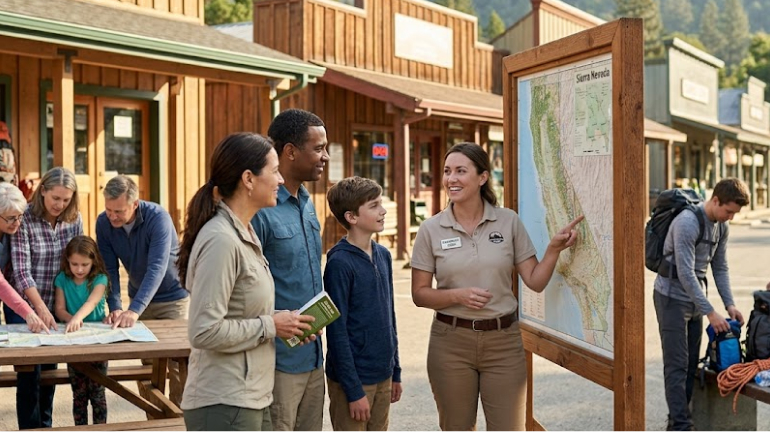
During wildfire season, that relationship becomes even more important.
Local businesses and tourism operators often become informal information centers where travelers learn about changing conditions. A hotel employee may explain smoke impacts. A restaurant owner may recommend alternate activities. A local outfitter may suggest safer trails depending on current conditions.
The National Park Service provides updated information through its official Yosemite conditions updates, but gateway communities add local knowledge that helps visitors make better decisions.
| Gateway Community | Visitor Role | Common Travel Connection |
|---|---|---|
| Mariposa | Historic Yosemite gateway town | Highway 140 access toward Yosemite |
| Oakhurst | Major southern gateway | Highway 41 access and nearby attractions |
| Groveland | Northern gateway community | Highway 120 access toward Yosemite |
| Tuolumne County communities | Outdoor recreation base | Mountain travel and regional activities |
These communities depend heavily on summer tourism, making wildfire preparedness a shared responsibility between residents, businesses and visitors.
Local Businesses Adapt To A More Uncertain Tourism Environment
Tourism is one of the economic foundations of Yosemite gateway communities.
Hotels, restaurants, adventure companies and retail businesses rely on millions of annual visitors traveling through the region. Wildfire conditions can disrupt that pattern quickly.
A road closure or major smoke event can lead to cancellations, shorter stays and reduced visitor spending.
Small businesses have responded by adapting their operations.
Many tourism companies now communicate real-time updates through websites and social media channels. Lodging providers help guests adjust reservations when conditions change. Outdoor guides monitor conditions closely before taking visitors into wilderness areas.
The goal is maintaining visitor confidence while respecting safety requirements.
For travelers, this means choosing businesses that understand local conditions can improve the overall experience.
Yosemite National Park Continues Balancing Access And Protection
Yosemite remains one of the most visited national parks in the United States, receiving millions of visitors annually. Managing that level of demand requires careful planning, especially during periods of environmental stress.
The park has implemented several visitor management strategies over recent years, including reservation systems during peak periods, traffic controls and increased communication about conditions.
Wildfire preparation is part of a larger effort to protect Yosemite’s natural resources while keeping public access available.
The National Park Service works with federal, state and local agencies to monitor fire conditions, manage risks and respond when incidents threaten communities or park areas.
The relationship between public access and environmental protection is becoming one of the defining issues for California’s outdoor destinations.
Wildfire Conditions Create New Travel Decisions For Yosemite Visitors
Planning a Yosemite trip has always required preparation, but wildfire conditions add another layer.
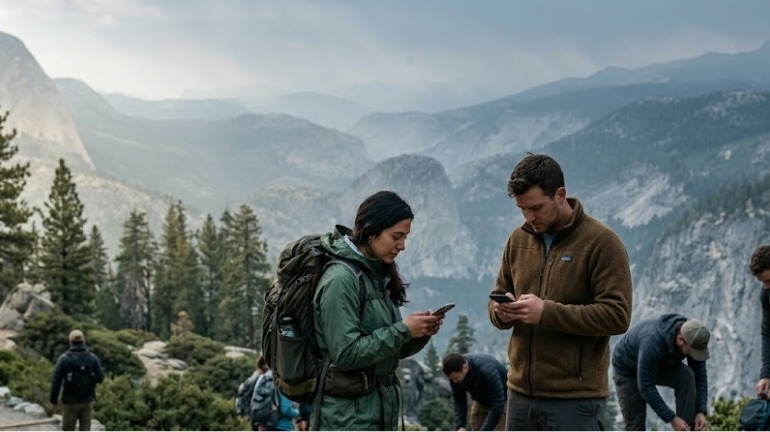
Travelers now monitor several factors before leaving home:
- Air quality conditions
- Active fire information
- Highway restrictions
- Park alerts
- Weather forecasts
- Emergency notifications
A clear forecast does not always mean clear skies. Smoke from fires hundreds of miles away can affect visibility and outdoor comfort.
This matters because Yosemite visitors often plan around photography, hiking and scenic viewpoints. Smoke can change the experience at locations such as Tunnel View, Glacier Point and high-elevation trails.
The issue is not only about disappointment. Poor air quality can create health concerns, especially for older visitors, children and people with respiratory conditions.
California’s wildfire seasons have become more unpredictable, requiring travelers to approach outdoor recreation with flexibility.
Travelers Need A Different Approach To Summer Mountain Trips
The traditional Yosemite road trip often involves a simple formula: choose dates, reserve lodging and visit popular landmarks.
Wildfire season has changed that approach.
Modern visitors benefit from building flexibility into their plans. A backup destination, extra travel time and updated information sources can make a major difference.
For example, travelers staying in Mariposa or Oakhurst may explore additional Sierra Nevada attractions if conditions affect Yosemite access. Nearby forests, historic towns and outdoor areas can provide alternatives when specific locations become unavailable.
This approach also helps distribute tourism activity throughout the region.
Instead of concentrating every visitor around Yosemite Valley, travelers can discover communities and landscapes that are part of the larger California mountain experience.
Outdoor Safety Becomes A Bigger Part Of California Travel Culture
California’s outdoor destinations continue attracting visitors because of their natural beauty. But increased wildfire activity has changed how people interact with these environments.
Safety planning is becoming part of the adventure itself.
Visitors increasingly need to understand fire restrictions, campfire regulations, weather changes and emergency communication systems.
The California Department of Forestry and Fire Protection (CAL FIRE) provides ongoing information about wildfire prevention and current conditions through its fire safety resources.
These tools help visitors make informed choices before entering remote areas.
The change does not mean avoiding outdoor experiences. It means approaching them with better preparation.
Yosemite Gateway Towns Remain Essential To California Tourism
Despite wildfire challenges, Yosemite’s surrounding communities continue playing a vital role in California travel.
Places like Mariposa, Oakhurst and Groveland offer more than access points. They provide restaurants, cultural experiences, local history and connections to the people who live near one of America’s most famous landscapes.
The future of Yosemite tourism depends partly on how successfully these communities adapt.
Wildfire conditions will continue influencing travel decisions, but preparation, communication and responsible tourism can help protect both visitors and residents.
For travelers, the message is clear: Yosemite remains an extraordinary destination, but the best experiences now come from planning beyond the park entrance.
A successful mountain trip in California begins before reaching the trailhead. It starts with understanding the landscape, respecting local conditions and recognizing the communities that make these destinations possible.