

The Rainbow Park closure at Dinosaur National Monument is already affecting road access, camping plans, and Green River launch logistics as of October 7, 2026. The closure began on September 25, 2026, after severe storm damage affected the road to Rainbow Park, and the National Park Service says repairs are expected to take until spring of 2027 to complete. If you had Rainbow Park built into a fall, winter, or early spring route, plan on changing that part of the trip now rather than waiting until you reach the monument.
What The Rainbow Park Closure Covers
Rainbow Park is not just a viewpoint on a map. For many visitors, it is tied to the Green River, a small campground, and boating access near Split Mountain Canyon. That is why this closure has a wider trip-planning impact than a short road closure might suggest. The affected section is the 3/4-mile Rainbow Park Road from its junction with Island Park Road to the campground and boat ramp, and it is closed to vehicle traffic, according to the National Park Service Rainbow Park update.
Rainbow Park Closure Dates And Closed Facilities
The Rainbow Park closure began on September 25, 2026. The closed areas include Rainbow Park Road, Rainbow Park Campground, and Rainbow Park Boat Ramp. The campground is not available during the closure, so visitors should not plan on using its four tent-only sites. The research notes also state that the campground has no RV hookups, no potable water, and sanitation is limited to a vault toilet, which matters if you were counting on it as a simple overnight stop.
The boat ramp closure is especially relevant for river users. Recreation.gov’s Split Mountain permit page states that Rainbow Park and the boat ramp are closed under 36 CFR 1.5 authority and notes significant storm damage affecting the road to Rainbow Park; permit holders should review the Split Mountain permit information before confirming river logistics.
Why Storm Damage Changes The Access Picture
This part of Dinosaur National Monument already requires conservative planning. Rainbow Park sits along the Green River about 28 miles, or 45 kilometers, from the Quarry Visitor Center in Utah. The access road is unpaved, can become impassable when wet, and does not receive winter maintenance. Severe storm damage on a road with those existing limits is not a minor inconvenience for travelers in passenger cars, loaded vans, or rental vehicles with low clearance.
From a gear standpoint, I would treat the closure as a signal to simplify the day rather than push for a workaround. Do not assume that a map app, a high-clearance vehicle, or a flexible schedule will solve the problem. The closed road, campground, and boat ramp are off-limits during the repair period. That makes pre-trip checks more useful than last-mile improvising.
What Visitors Can Still Reach
The closure does not shut down every nearby point of interest. The National Park Service notes that Island Park Road remains open up to Ruple Ranch. That gives visitors a realistic stopping point without entering the closed Rainbow Park Road segment. Still, conditions on unpaved roads can change quickly, especially after rain or during colder months, so visitors should check official updates before committing to a long drive inside the monument.
Ruple Ranch And McKee Springs Options
Ruple Ranch remains accessible via Island Park Road, based on the current NPS update. The research notes also identify petroglyph sites at McKee Springs as accessible while Rainbow Park itself is closed. That gives travelers a way to adjust a Dinosaur National Monument day without treating the trip as a loss.
For California road trippers used to long desert drives, this is the same planning habit I recommend for any remote public-land stop: confirm access first, then build the day around what is actually reachable. If your route includes other national parks, a similar check-before-you-go approach applies; this site’s Yellowstone closures planning piece is a useful reminder that roads, trails, and water access can change before a family trip begins.
River Plans And Alternate Launch Checks
Some visitors may still be looking at Split Mountain Canyon rafting plans. The research notes say visitors can explore Split Mountain Canyon via rafting from alternate launch sites if permitted, depending on river conditions. That wording leaves room for trip-specific variables, so river users should not rely on old plans that used Rainbow Park Boat Ramp as a default access point.
If your permit, outfitter paperwork, or group message thread still mentions Rainbow Park, update the plan before departure. Confirm where the permitted launch or takeout is, what roads are open to that point, and whether current river conditions support the trip. A closed boat ramp changes not only where you start or end, but also how you stage vehicles, dry bags, food, emergency supplies, and timing.
Gear And Road Planning Before You Go
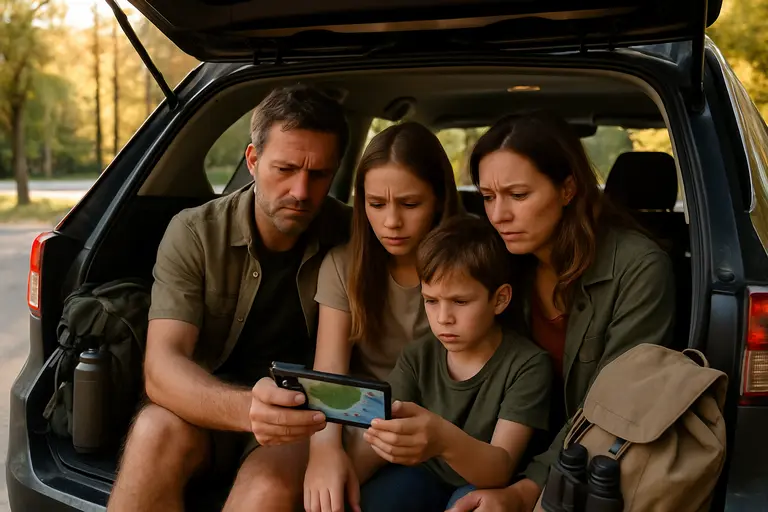
The Rainbow Park closure is a good reminder that remote park travel rewards boring preparation. Dinosaur National Monument has paved visitor areas, but Rainbow Park access is different: unpaved road travel, limited facilities, no potable water at the campground, and weather-sensitive access. Even if you are only visiting areas that remain open, the same gear choices help keep a long day from turning stressful.
Water Food And First Aid Basics
Bring more water than you expect to use, especially if your original plan included stopping at Rainbow Park Campground. Since there is no potable water there even when the campground is open, travelers should already be self-contained. With the campground closed, do not plan on using it as a comfort stop, lunch stop, refill point, or emergency fallback.
- Carry drinking water for every person in the vehicle, plus extra for delays.
- Pack food that does not require cooking if your timing changes.
- Keep a first aid kit, sun protection, warm layers, and a headlamp accessible.
- Download or carry offline maps, but defer to posted closures and official updates.
- Check that your spare tire, jack, and basic roadside tools are usable before entering unpaved areas.
These are not extreme-expedition items. They are normal desert-and-river-country basics. The difference at Rainbow Park is that the usual end point is unavailable, and support is limited. Packing with that in mind gives you more room to adjust if weather, road conditions, or timing change.
Vehicle Timing And Weather Limits
The access road’s wet-weather limits are one of the most practical facts in the closure notice. An unpaved road that becomes impassable when wet should shape your schedule even for areas that remain open. Avoid treating an afternoon storm as a minor delay. Wet clay, ruts, and low spots can change the drive back out, and winter brings an added concern because the road does not receive winter maintenance.
For travelers coming from California, Nevada, or Utah on a longer road trip, I would also avoid stacking this stop after a full driving day. Remote park roads are easier to manage when you have daylight, fuel, water, and time to turn around. For broader road-trip perspective from the same publishing network, the site The Silver Liners provides practical travel topics that emphasize cautious and well-planned travel.
Rainbow Park Closure Planning Notes
Treat the Rainbow Park closure as active through the repair window stated by the National Park Service, which runs until spring of 2027. That does not mean every nearby stop is unavailable, but it does mean Rainbow Park Road, Rainbow Park Campground, and Rainbow Park Boat Ramp should be removed from near-term plans unless the NPS posts a later update changing access.
Before booking lodging, finalizing a rafting permit plan, or sending a group itinerary, verify the latest official information for Dinosaur National Monument. If your goal is a low-stress visit, build the day around open places such as Ruple Ranch and confirmed-access cultural sites, carry your own water and supplies, and leave room for weather-related changes on unpaved roads. The most useful plan right now is not the most ambitious one; it is the one that respects the closure, keeps the route flexible, and avoids depending on a road or ramp that is closed for storm repairs.