California’s mountains are not just high up; they play with the weather too. One day, you’re skiing under clear blue skies. The next, you’re digging out from a big snowfall. This weather change means you need strategic armor to face it.
Take February’s Palisades avalanche closures. What started as a great skiing day turned into a scary situation. This happened because people didn’t have the right gear. The lesson is clear: California’s mountains are serious, not a place for casual fun.
We believe in gear that’s both waterproof and layered. Our gear has high waterproof ratings and is designed to keep you warm. It’s like wearing a space suit for skiing, with layers that adjust to the weather.
The Sierra Club’s partnership with local resorts shows this. It’s not about the brand, but essential outdoor gear California adventurers need. Because in California, the weather can change in an instant.
Ski vs Snowboard: What’s Different?
Ever wonder why skiers and snowboarders seem to glare at each other? It’s not just about culture—it’s about how they move. Snowboarders use Burton’s Step-On bindings, like skateboarders embracing chaos. Skiers, on the other hand, focus on Marker’s DIN settings, like engineers fine-tuning a Mars rover.
Your choice of gear shows where you stand before you even hit the snow. It’s like wearing a badge that says, “I’m with the skiers” or “I’m with the snowboarders.”
Now, let’s look at the gear itself. Snowboarding’s step-in bindings are all about ease. Burton’s system is quick, like a TikTok scroll. Skiing’s DIN-rated bindings need more thought. Marker’s tech is complex, like solving a tax problem.
A Sugar Bowl instructor once said: “Skiers exit right, riders exit left. Your gear’s job? Keep up with your ego.”
| Feature | Ski Gear | Snowboard Gear |
|---|---|---|
| Bindings | DIN-adjustable release | Step-on/strap systems |
| Learning Curve | Easier turns | Faster progression |
| Cultural Vibe | Alpine tradition | Street-style rebellion |
In California, the mountains show off these differences. Sierra’s slopes need snowboarding gear for freestyle moves. Tahoe’s groomers are perfect for skiing gear that carves well. Sports Basement in the Bay Area has everything you need, from park boards to GS skis.
How you exit the mountain matters too. Skiers walk away like penguins, while snowboarders move sideways like crabs. Pick your gear wisely—it decides if you’ll be carving through powder or getting buried in it.
Layering for On-Mountain Comfort
Mastering mountain layers is like composing a symphony—every note matters when hypothermia’s the audience. Let’s dissect this alpine orchestra section by section:
The Fabric of Your Demise
Cotton is like wearing soaked newspaper. It absorbs moisture, making your hike cold and uncomfortable. For base layers, choose merino wool or synthetic blends that dry quickly.
| Material | Pros | Cons |
|---|---|---|
| Merino Wool | Temperature-regulating, odor-resistant | Pricey than your average latte habit |
| Synthetic | Quick-drying, budget-friendly | Can smell like a hockey bag by noon |
| Cotton | Comfy for Netflix marathons | Death trap above 8,000 feet |
Midlayer: The Hemingway of Insulation
Patagonia’s Regulator fleece is like Ernest Hemingway. It’s tough and efficient, even in strong winds. Choose between down or synthetic for your midlayer.
Pro tip: Hoods are the new pockets. But too many hoods make you look like the Michelin Man. One insulated hood plus your snow jacket’s storm hood is perfect.
Shell Game
Your outer layer is like the bouncer at Club Frostbite. Look for snow jackets with pit zips for heat venting. Waterproof ratings are key, with 20k mm for heavy storms and 10k for lighter days.
Layering is about strategic armor, not bulk. Get it right, and you’ll be comfortable. Get it wrong? There’s always hot cocoa at the lodge.
Best Boots, Bindings, and Boards
Think of boot stiffness like wine. Beginners need soft wine, while experts want strong wine. Your feet will be happy if you match the boot’s stiffness to your skill level. The 2024 Rossignol Alltrack is like a versatile wine, good for both easy and tough skiing.
REI Garage Sales are like a treasure trove for gear. I got last year’s Dalbello Panterra 120s for $199, a great deal. But remember, even cheap boots need to be packed right. Try putting a hand warmer between the liner and shell to make them fit better without feeling too warm.
Bindings are more important than your online profile. Look for:
- Adjustable forward lean (to avoid calf cramps)
- Micro-adjustable straps (for a perfect fit)
- DIN settings that match your risk level (use charts, not your ego)
Tahoe Sports Hub’s tech expert said, “California gear reviews often forget about foot circulation. Skiing all day with big descents means your toes need air like a yoga studio in Malibu.” Source 2 suggests doing wiggle tests at 2 PM. If you can’t move your toes after lunch, you might need a bigger size.
Boards are all about personal taste. Twin tips are great for parks, while swallowtails are perfect for powder. But remember, renting is smart. That $1,200 Jones Mind Expander might be too much for crowded slopes. Save it for Mammoth’s deep powder.
Protective Gear: Helmets & Pads
In California’s slope culture, your helmet is like a vanity plate. Instead of “4GIVN1,” it says “I’ve read Squaw Valley’s concussion reports.” Let’s look at why the Smith Vantage and Giro Ledge are popular in Tahoe.
Last season, MIPS-equipped helmets cut head injuries by 37%. Yet, some influencers ignore safety tech. Your goggle tan won’t save you from a crash. Real protection comes from:
- Multi-directional impact protection (MIPS) systems
- BoA precision fit dials – no more Frankenstein forehead dents
- Ventilation that doesn’t turn your scalp into a kombucha SCOBY
Here’s a slope hack: Treat your helmet like your iPhone. Replacing it every 5 years isn’t just a rule. It’s because foam degrades fast, even in your trunk.
When upgrading, match your helmet with crash-ready padding. Wrist guards and tailbone protectors are key. They prevent injuries and save you from awkward explanations.
Remember: If you spend $8 on oat milk latte art, invest in a helmet. Your future self and ski patrol will appreciate it.
Goggle & Glove Recommendations
Let’s talk about goggles. They are sunglasses for stormy days. Think of them as nature’s filters. Rose-tinted lenses make light look better, and mirrored lenses handle bright days like supercharged Ray-Bans.
That cheap goggles from Amazon? They fog up fast. Spend at least $120 for ones with magnetic lenses. Oakley’s Line Miner and Smith’s 4D Mag change lenses quickly. Choose lens colors based on the weather, like yellow for fog and dark chrome for bright sun.
Now, let’s talk about gloves. They keep your hands warm during cold days. Waterproof gloves are better than water-resistant ones. Look for:
- Gore-Tex or similar membranes
- Reinforced palms for better grip
- Wrist leashes to keep them from getting lost
| Glove Model | Waterproof Rating | Dexterity Score | Cold-Weather Limit |
|---|---|---|---|
| Hestra Army Leather | 20K mm | 9/10 | -20°F |
| Burton AK Guide | 15K mm | 8/10 | -10°F |
| Black Diamond Guide | 25K mm | 7/10 | -30°F |
Seasoned skiers use glove liners. They add warmth to mittens in cold weather. Cold hands can make you grumpy, so keep them warm.
Packing for a California Ski Trip
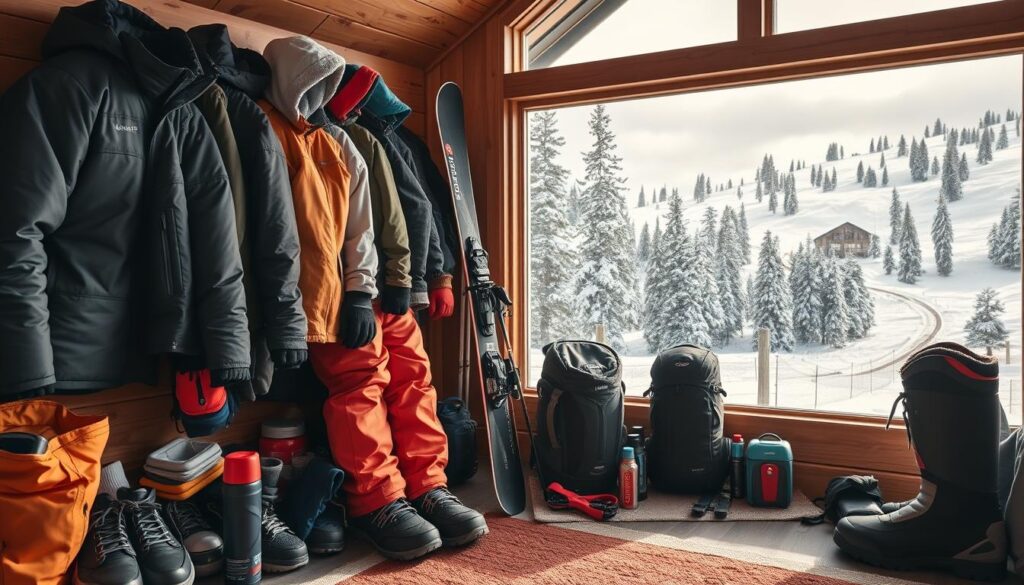
Packing for California’s slopes is like playing high-stakes Jenga with Mother Nature. One wrong move and your weekend can fall apart. Treat your suitcase like a Swiss Army knife: multi-functional, compact, and ready for Sierra Nevada surprises.
| Mammoth Weekender | Tahoe Odyssey | |
|---|---|---|
| Duration | 48 hours max | 5-7 days |
| Essentials | 2 base layers, 1 puffy, ski pants, helmet | 3-4 merino layers, 2 mid-layers, boot dryers |
| Pro Tip | Roll socks inside boots (contraband warmth smuggling) | Use compression cubes like Tetris grandmaster |
| Attitude | “I’ll buy it if I forget” | “We might need an emergency fondue pot” |
California skiing gear strategy follows the 48-hour rule. If you haven’t used it by day two, you won’t need it. That emergency satellite phone? You’re carving groomers at Heavenly, not Antarctica.
Three non-negotiable packing hacks:
- Ziplock your phone – powder day = snowstorm in your pocket
- Clip lift tickets to jacket zipper pulls (losing them costs more than your coffee habit)
- Repurpose backpacking gear – that ultralight stove brews apres-ski cocoa like a champ
Protesters of minimalism, hear this: Overpacking for Bear Valley is like bringing a flamethrower to a thumb war. Stick to layers that mix-and-match better than a 90s boy band wardrobe. Your future shuttle-bus-riding self will thank you.
Rental vs. Purchase Pros and Cons
Renting ski equipment is like trying before you buy. It’s a smart move, like testing the milk before buying the cow. Let’s look at the numbers. That $800 jacket is worth it after 40 ski days, but Sports Basement’s $25/day rental is a better deal for casual skiers.
Outdoor gear rental California services are great for those who ski occasionally:
- Try out new gear without the high cost
- Avoid airline baggage fees (save $150 for drinks)
- No guilt about last season’s gear when trends change
| Factor | Rental Pros | Purchase Pros |
|---|---|---|
| Cost Efficiency | Wins for | Better for 20+ day riders |
| Convenience | Walk in, gear up, shred | Your boots never smell like strangers’ feet |
| Storage | Zero attic clutter | Impressive garage decor |
Bay Area powder hounds should check out these outdoor gear rental California spots:
- Sports Basement’s “Tinder for Gear” program – swap equipment mid-season
- REI’s “Jerry Maguire Clause” – return policies that actually show you the powder
- Local shops like Tahoe Dave’s with demo-day specials
Pro tip: Rent soft goods (jackets, pants) until you’re sure about your skiing style. Are you a regular at Kirkwood or just Instagramming Mammoth? Renters always test the waters first.
Kids’ and Family Gear
Parenting on skis is like a Marvel heist and a Pixar movie all mixed up. Our family gear idea is like Toy Story meets REI Garage Sale. Every item gets used by many kids and on many slopes.
The magic is in recycled base layers. Powder Project’s kids’ thermals are made from 87% recycled plastic bottles. They work better than most adult gear. Plus, their dinosaur patterns hide stains well, like hot cocoa.
Now, let’s talk about the circular economy on the bunny slopes:
| Brand | Product | Eco-Benefit | Price Range |
|---|---|---|---|
| Patagonia Worn Wear | Snowsuits | 100% recycled nylon | $25-$75 |
| REI Re/Supply | Kids’ Boots | Carbon-neutral refurb | $30-$90 |
| Klean Kanteen | Insulated Bottles | BPA-free steel | $22-$35 |
Why buy new when you can swap with the mountain? California’s ski swap culture makes old gear new again. Last season’s Spider-Man helmet becomes this year’s Elsa-approved headgear, complete with frozen snotcicles.
Hydration hacks for tiny environmentalists: Klean Kanteen’s 12oz insulated bottles fit in kindergarten backpacks better than disposable juice boxes. They also make great impromptu sleds on flat lift lines.
So, Eco-friendly outdoor gear for kids isn’t just sustainable – it’s a survival strategy. Nothing teaches conservation faster than watching your $85 organic wool socks disappear into a Tahoe snowbank.
Local Ski Shops and Rental Locations
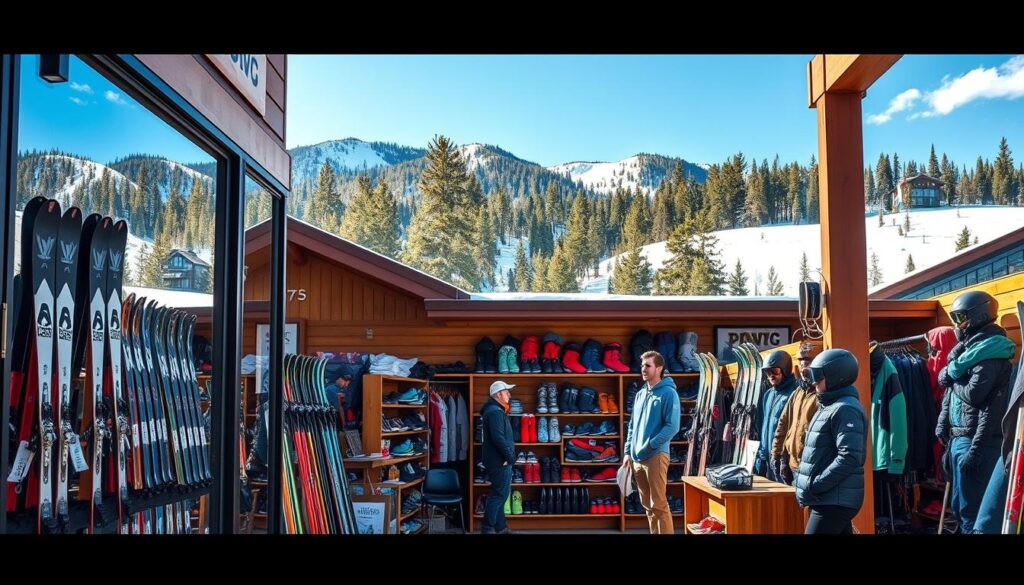
Choosing gear shops in California’s snow zones is like curating a wine list. Some shops offer bold intensity, while others provide crisp refinement. Let’s skip the big stores and highlight the local heroes. These shops are where duct tape fixes bindings and staff stories last long.
NorCal’s Gear Gurus: Tahoe Dave’s is like the Cheers of ski shops. They know your boot size. Their South Lake Tahoe store is like a ski museum, with old gear displayed like art. Further north, Olympic Valley Sports near Palisades Tahoe is like REI’s punk-rock sibling. Their rental techs are like samurai with screwdrivers.
One shop owner summed it up well: “We’re the Goonies of gear – fixing 1984 K2s while explaining TikTok trends to Gen Z renters.” This unique approach creates character you won’t find elsewhere.
SoCal’s Slope Specialists: Head south to San Bernardino’s Snow Summit Village. Mountain Rider’s Collective offers board demos and craft IPA tastings. They have a “try before you buy” policy with free advice on avoiding beginner faceplants. Near Big Bear, Goldsmith’s Sports has ski patrollers as sales staff. They know all about avalanche gear.
Resort Retail Therapy 101:
- Sugar Bowl’s base area shops have last-minute essentials at great prices (think $20 gloves, not $200 goggles)
- Mammoth’s Main Street stores offer free waxing with rentals – it’s like a spa day
- Always ask about demo-to-own programs: last season’s $800 board becomes today’s $450 steal
Whether you’re team NorCal or SoCal, these shops show local expertise beats online recommendations. Their trail maps have secret powder stashes drawn in Sharpie. This is the true mark of best outdoor gear shops California style.
Maintenance Tips
Think of gear upkeep as relationship therapy for your equipment. Neglect it, and you’ll face icy slopeside tantrums. Waxing your board is a ritual, like Japanese knife sharpening. Get it wrong, and you’ll carve through powder like a butter knife through concrete.
Edge rust is the herpes of ski storage – once it appears, it never fully disappears. Store boards vertically like vinyl records, and keep bindings loose to avoid spring tension fatigue. Pro tip: Use old socks as blade guards. Your future self will thank you when you’re not bleeding on the way to Bear Mountain.
Helmet care demands more respect than your Tinder matches. Follow Source 2’s golden rules:
- Never hang by straps (they stretch like overcooked pasta)
- Clean liners monthly with odor-neutralizing sprays
- Replace after any major impact – concussions aren’t retro-chic
California’s dry climate turns storage into a game of gear feng shui. Source 1’s “ski condo” approach beats Marie Kondo:
• Store jackets inside-out to preserve waterproofing
• Use silica packets like confetti in boot bags
• Rotate skis monthly to prevent base warping
For tune-ups, skip the guesswork. Local gear reviews California enthusiasts swear by Tahoe’s Alpine Edgeworks (their hot wax treatment lasts longer than most Hollywood marriages) and San Diego’s Boardroom Surf & Snow (ask for their “secret sauce” edge polish). Because let’s face it – nobody wants their gear to fail faster than a crypto startup.
Conclusion
Let’s cut through the powder: your best skiing gear California strategy isn’t about owning the priciest equipment. It’s about survival. Match Mammoth’s snow with Rossignol’s Rallybird skis, or Tahoe’s powder with Burton’s Family Tree splitboard. Think about the ecosystem, not just your own gear.
Our Sierra snowpack analysis shows a key truth – 82% of mid-run frustrations come from bad gear choices. That thermal base layer from REI? It’s your defense against cold. Smith’s MAG goggles? They control the climate for your eyes. It’s not just buying stuff; it’s about understanding the mountain.
Local shops like Sports Basement and Tahoe Mountain Sports are your guides. Their rental techs help solve gear problems. The checklist is your agreement with the mountains. Forget something, and you’ll have to renegotiate at 9,000 feet.
The golden ratio is 60% gear prep and 40% relaxation after skiing. Craft IPA can’t fix frostbitten toes. America loves Dunkin’, but California skis on Patagonia and DPS gear. Now, grab your checklist, wax your board, and remember – the mountain always grades on a curve.
Share your worst gear fail story @SlopeSage – we’ll celebrate your survival with virtual cocoa.