

World Cup 2026 Becomes A Real-Time Trial For Los Angeles Olympic Planning
Los Angeles is using the FIFA World Cup 2026 as one of its most important operational tests before the city hosts the 2028 Olympic and Paralympic Games. The international soccer tournament is placing pressure on transportation systems, stadium operations, security networks, and visitor management strategies that will become even more important when millions of athletes, fans, and media members arrive for the Olympics.
The connection between the two events is especially significant because Los Angeles is not building a traditional Olympic model based around a single new Olympic park. Instead, the city is relying on existing venues, upgraded transportation systems, and a distributed event structure that spreads activity across the region.
World Cup matches at venues such as SoFi Stadium in Inglewood and public celebrations around locations like the Los Angeles Memorial Coliseum are providing practical lessons about crowd movement, accessibility, public transportation demand, and international tourism behavior.
The approach reflects a broader shift in how major sporting events are organized. Host cities are increasingly focused on maximizing existing infrastructure rather than creating expensive temporary developments that disappear after the event ends.
For California visitors interested in major events and outdoor experiences, the lessons from World Cup planning connect with broader travel strategies already explored in this California Times guide to California event planning.
SoFi Stadium Provides A Preview Of Future Olympic Venue Operations
SoFi Stadium in Inglewood has become one of the central examples of Los Angeles’ modern event infrastructure. Opened in 2020 as the home of the Los Angeles Rams and Los Angeles Chargers, the venue represents a new generation of large-scale entertainment facilities capable of hosting international events.
During the FIFA World Cup 2026, SoFi Stadium is serving as a major tournament venue, bringing thousands of international visitors into the surrounding Hollywood Park development.
The stadium’s World Cup operations are providing valuable information for Olympic organizers. Managing crowds of this size requires coordination between:
- Venue operators
- Law enforcement agencies
- Transportation providers
- Emergency response teams
- Local government departments
The lessons learned include how fans arrive, where congestion develops, how quickly crowds leave after events, and how visitors interact with surrounding businesses.
For Olympic planners, these observations are valuable because the 2028 Games will require simultaneous management of multiple venues across Southern California.
The official Los Angeles 2028 Olympic planning framework highlights the importance of using existing facilities and regional connectivity as part of the event strategy through the LA28 official Olympic website.
Transit Improvements Become The Foundation Of The 2028 Olympic Strategy
Transportation remains one of Los Angeles’ biggest challenges for hosting global events. The region is known for heavy automobile dependence, making public transit improvements a central part of Olympic preparation.
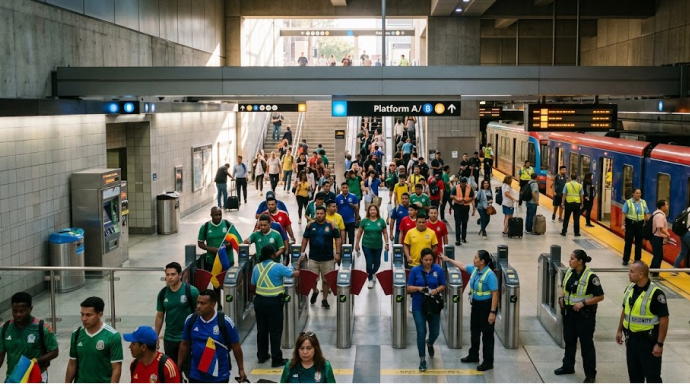
World Cup 2026 is functioning as a large-scale transportation experiment. Agencies including Los Angeles Metro are testing service adjustments, crowd management procedures, and connections between major event locations.
Key transportation corridors include:
- Metro rail connections through Los Angeles County
- Shuttle systems connecting major venues
- Bus networks supporting high-volume events
- Regional connections between airports, hotels, and attractions
The goal is creating a smoother visitor experience without overwhelming local roads.
A successful transportation strategy will influence more than Olympic spectators. Residents, workers, and tourists will all experience the effects of how Los Angeles manages increased demand during major international events.
| Infrastructure Area | World Cup 2026 Lesson | Olympic 2028 Application |
|---|---|---|
| Public Transit | Managing large fan movement | Daily athlete and spectator transportation |
| Stadium Access | Reducing entry congestion | Multi-venue crowd coordination |
| Regional Mobility | Connecting different communities | Supporting international visitors |
| Digital Information | Real-time travel updates | Improving visitor decision-making |
The Olympics will require even greater coordination because events will occur across a wider geographic area than a traditional single-venue tournament.
Existing Venues Replace The Traditional Olympic Construction Model
Los Angeles is taking a different approach from many previous Olympic host cities. Instead of constructing numerous new venues, organizers are using existing facilities throughout Southern California.
Important Olympic locations include:
- SoFi Stadium and the surrounding Hollywood Park area
- Los Angeles Memorial Coliseum
- Crypto.com Arena
- Intuit Dome
- Long Beach waterfront venues
- UCLA facilities
This model reduces construction costs and focuses investment on improving transportation, accessibility, and visitor experience.
The strategy also aligns with sustainability goals by limiting the creation of temporary structures that often require significant resources.
The World Cup provides a useful comparison because it is already testing how Los Angeles handles international crowds without relying on a single centralized event zone.
International Tourism Growth Changes How Los Angeles Prepares Visitors
The World Cup and Olympics are bringing a new level of international attention to Los Angeles. The city already attracts millions of visitors annually, but major sporting events create concentrated periods of demand.
Visitors attending international competitions often combine events with tourism activities. A fan traveling to Los Angeles for a match may extend their stay to visit:
- Santa Monica
- Venice Beach
- Hollywood
- Downtown Los Angeles
- Malibu
- Orange County attractions
This creates opportunities for hotels, restaurants, transportation companies, and local businesses.
The challenge is maintaining a balance between tourism growth and local quality of life. Popular destinations must prepare for increased traffic, higher demand, and larger crowds while preserving the experiences that attract visitors.
The World Cup is giving city planners a preview of how international visitors move through Los Angeles before the Olympic spotlight arrives.
Security Planning Evolves Through World Cup Experience
Security operations are another area where World Cup preparations are influencing Olympic planning. Large international events require coordination between multiple agencies while maintaining a welcoming atmosphere for visitors.

Los Angeles is using World Cup operations to evaluate:
- Crowd screening procedures
- Emergency communication systems
- Venue security coordination
- Transportation security planning
The Olympics will introduce additional requirements because athletes, officials, media organizations, and spectators will be distributed across many locations.
Security planning must also account for the daily movement patterns of visitors who may travel between competitions, hotels, and tourist destinations.
These lessons allow organizers to identify potential challenges earlier and adjust systems before 2028.
Sustainability Goals Connect World Cup Lessons With Olympic Planning
Environmental responsibility is one of the defining themes of Los Angeles’ Olympic approach. The city has positioned the 2028 Games as an opportunity to demonstrate how major sporting events can operate with reduced environmental impact.
World Cup operations provide real examples of where improvements can be made, including:
- Public transportation usage
- Energy efficiency
- Waste reduction
- Visitor education
- Venue management
Los Angeles faces unique environmental conditions, including summer heat, water concerns, and air quality challenges. Event planning must account for these realities while maintaining safe experiences for athletes and spectators.
The city’s climate conditions make sustainability planning directly connected with safety and operational performance.
World Cup 2026 Creates A Roadmap For Los Angeles 2028
The biggest value of the World Cup for Los Angeles may be the opportunity to test systems under real pressure before the Olympics begin.
A global tournament provides a live environment where organizers can study transportation patterns, crowd behavior, visitor expectations, and venue performance.
The lessons will influence decisions across multiple areas:
- How fans move around the region
- How public spaces handle large gatherings
- How businesses prepare for tourism increases
- How infrastructure performs during peak demand
Los Angeles is entering the final preparation phase for the 2028 Olympics with more practical information than many previous host cities had available.
The World Cup is serving as a regional rehearsal, showing what works, what needs adjustment, and how the city can improve the experience for residents and visitors.
When the Olympic Games arrive, the success will depend less on creating something completely new and more on how effectively Los Angeles connects the systems it already has.