

The Lincoln Memorial closure affects one of the most familiar walking routes on the National Mall, so visitors planning a trip before September 10, 2026 should build in extra time and expect barriers near the Reflecting Pool. The National Park Service has extended the temporary closure of parkland around the Lincoln Memorial Reflecting Pool through Thursday, September 10, 2026, at 11:59 p.m. local time, covering the pool, adjacent walkways, and grass medians for visitor safety during repair work.
This is not a full closure of the Lincoln Memorial itself. The key travel issue is route planning: areas that many visitors normally use to walk between the Lincoln Memorial, the Reflecting Pool, and other National Mall sites are restricted. If you are visiting with children, older adults, mobility needs, a tour group, or a tight museum schedule, the detours are the detail to plan around.
What The Lincoln Memorial Closure Covers
The closure centers on the Reflecting Pool area, not the entire memorial. The National Park Service says the affected parkland includes the pool itself, walkways next to the pool, and grass medians. These areas are closed to keep visitors away from heavy repair work and equipment.
Lincoln Memorial Closure Dates
The repair project began on April 10, 2026. The National Park Service describes the work as including cleaning the Reflecting Pool, repairing joints, and adding a new lining. The temporary closure has now been extended until September 10, 2026, at 11:59 p.m. local time, according to the NPS closure notice.
For travelers, the date matters because a visit on September 9 is different from a visit after the posted closure period. Until the closure is lifted, do not assume you can use the familiar straight path along the pool. If your plans depend on a direct crossing of this part of the Mall, adjust them before you arrive.
Closed Areas And Physical Barriers
The closed zones are marked by fencing or other physical barriers, with signs posted for detours. Entry into closed areas is prohibited. That may sound obvious, but it is a real safety issue: the National Park Service says the work area includes heavy equipment and other assets in places normally used by visitors.
Expect the area around the Reflecting Pool to feel different from older photos, postcards, or trip videos. You may still be able to see the memorial and surrounding landmarks, but the usual foreground of water, walkways, and grass may be partly blocked by construction staging or fencing. Do not step around barriers for a photograph. It can put you close to work zones and may draw enforcement attention.
How The Closure Changes A National Mall Visit
The biggest effect is on movement. The National Mall is often planned as a walking route, with visitors linking memorials, museums, and viewpoints in one long outing. The Lincoln Memorial closure interrupts some of the most direct paths near the west end of the Mall, so visitors should expect a less direct walk.
Access That Remains Available
The research notes indicate that key features of the Lincoln Memorial remain accessible, including the steps and the chamber with the statue of Abraham Lincoln. The undercroft exhibit area beneath the memorial is closed for a project, but that is separate from the Reflecting Pool work. Visitors should separate these two access issues: the memorial chamber may be part of your visit, while the poolside routes may not be.
This distinction helps set realistic expectations. If your main goal is to stand inside the chamber and see the statue, the closure does not mean your stop is canceled. If your goal is to walk the edge of the Reflecting Pool or photograph the full pool approach without barriers, your experience will be affected before the posted end date.
Detours And Timing
Visitors should expect detours around walkways adjacent to the Reflecting Pool and exterior walks north and south of the pool. The detours may add time, especially if you are moving between the Lincoln Memorial and other National Mall sites. The National Park Service has authorized the closure under 36 C.F.R. § 1.5, which covers public use limits, as noted in its Reflecting Pool renovation record.
Build your schedule with a buffer. If you have a timed museum entry, restaurant booking, airport transfer, or group pickup, avoid cutting the National Mall walk too close. A short detour can feel longer in hot weather, in rain, or when moving with strollers, wheelchairs, or a large group. The safest plan is to decide your meeting points away from fenced work zones and confirm them before your group splits up.
For broader regional trip ideas before or after a Washington, D.C. stop, consider visiting Baja Times, which is part of the same travel network and provides useful perspectives on destination planning across various regions.
Safety Steps Before And During Your Visit
A National Mall visit is usually straightforward, but construction changes how you should prepare. This is especially true at a high-traffic site where many visitors arrive expecting the classic route from the Lincoln Memorial toward the Reflecting Pool.
Follow Signs, Not Old Maps
Printed maps, saved social media posts, and older walking directions may not reflect the temporary barriers. On the ground, follow posted detour signs and National Park Service instructions. If a path looks open but has fencing, cones, or closure signs, treat it as closed. Barriers are there because crews and equipment may be active in areas that normally look like public walkways.
Parents and group leaders should explain the closure before arriving at the pool area. Children may see open grass or familiar landmarks and want to run ahead. Keep groups together near fenced zones, and choose a clear regrouping spot that does not require crossing a restricted area.
Plan For Slower Movement
The safest visitors near construction are the ones who are not rushing. Give yourself more time than a normal map estimate suggests. If you are visiting during a short layover or between scheduled activities, consider reducing the number of stops rather than trying to force the same route through a closed area.
Mobility planning also deserves extra attention. The research notes do not provide a detailed accessible detour map, so travelers using wheelchairs, scooters, walkers, or other mobility aids should check current National Park Service updates before arrival. Conditions around temporary work zones can change, and it is better to confirm access close to your visit date than rely on a past report.
- Check the National Park Service closure page close to your visit date.
- Do not enter fenced or signed closure areas, even briefly for photos.
- Allow extra time between the Lincoln Memorial and other National Mall stops.
- Set meeting points away from construction barriers and detour pinch points.
- Expect the Reflecting Pool view and nearby walking paths to be partly disrupted.
What Changed At The Reflecting Pool
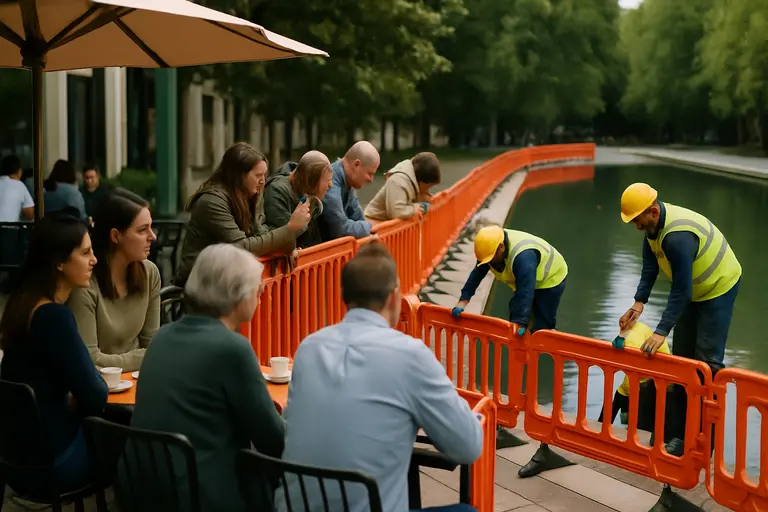
The Reflecting Pool work began with repairs intended to address the pool structure and surface, including cleaning, joint repairs, and a new lining. The later extension means the work zone remains a practical factor for travelers through the posted September 10, 2026 deadline. The National Park Service states that the closure protects both visitors and the work area while heavy repair work continues.
From a safety standpoint, this is the detail to remember: a closed public space on the National Mall is not just an inconvenience. It signals active work, equipment, restricted surfaces, or conditions that are not ready for visitor access. Even if no workers are visible at a given moment, the closure still applies.
The United States Park Police are expected to enforce the restricted areas. Visitors should not treat the barriers as flexible or temporary suggestions. If you are unsure which way to go, step back from the barrier line and look for posted detour signs rather than asking your group to squeeze through a narrow or unclear edge.
For photographers, the best plan is patience and flexibility. Work with the views that remain open rather than trying to recreate a closed-angle shot. For families, the best plan is to keep the visit simple: see the accessible parts of the memorial, allow extra time for detours, and avoid letting the closure become the stress point of the day.
Lincoln Memorial Closure Planning Notes
The Lincoln Memorial closure is scheduled to last until September 10, 2026, at 11:59 p.m. local time. Until then, expect the Reflecting Pool, adjacent walkways, and nearby grass medians to be off limits. The steps and chamber with the statue of Abraham Lincoln remain the key access point for many visitors, while the poolside setting is disrupted by safety barriers and repair work.
Before you go, check the official National Park Service page, set realistic walking times, and treat every posted closure as active. The National Mall is still visitable, but the west end requires more attention than usual. A careful plan will help you avoid unsafe shortcuts, missed reservations, and confusion around one of Washington’s most visited public spaces.