

Welcome, fellow adventurers! We share a love for California’s diverse beauty. From the surf to the deserts and mountains, our playgrounds are amazing.
But, they’re under pressure. More people than ever visit these wild places. This makes our responsibility clear.
The Leave No Trace ethic is our answer. It’s more than just rules. It’s a vital expression of gratitude for the land that fuels our passions.
Human presence here is not new. For millennia, Indigenous peoples have known, used, and cherished these places. We join a long lineage of people who call this land home.
With this privilege comes duty. Think of it as the “etiquette of freedom.” It’s the profound respect that lets everyone enjoy nature’s beauty, now and for generations to come.
Let’s explore how we can put this powerful ethic into practice across every California landscape!
The 7 LNT Principles Tailored to CA Biomes
Every outdoor adventure starts with the seven Leave No Trace principles. These simple rules tell us to enjoy nature but leave it as we found it. In California, our diverse nature means we need to know these lnt principles well and be extra careful.
The seven core principles are:
- Plan Ahead and Prepare: Know the rules and special concerns for your visit.
- Travel and Camp on Durable Surfaces: Stick to trails, rock, gravel, or dry grass.
- Dispose of Waste Properly: Take all trash with you. This includes food and hygiene items.
- Leave What You Find: Keep the area as it is. Take photos, not souvenirs.
- Minimize Campfire Impacts: Use a lightweight stove for cooking and a candle for light.
- Respect Wildlife: Keep a safe distance. Never feed animals.
- Be Considerate of Other Visitors: Make sure everyone has a good experience.
Now, let’s apply these Leave No Trace principles to California’s four main biomes.
Coast and Islands: dunes, tidepools, MPAs
Our coastline is fragile and always changing. Walking on dunes harms the plants that hold them together. Always use designated paths.
In tidepools, step only on bare rock. These areas are homes for many creatures. California’s Marine Protected Areas (MPAs) protect our ocean life. Be careful in the water, avoiding harm to marine animals.
Deserts: cryptobiotic soil, scarce water
Deserts are slow to recover from damage. The black soil is cryptobiotic soil, a living community. One step can harm it. Stay on trails or durable surfaces.
Water is precious in the desert. Keep at least 200 feet from water sources. Never wash dishes or yourself in a desert spring.
Forests and Foothills: wildfire risk, bears
Our wooded areas are beautiful but risky, with fire being a big concern. Always check for fire restrictions. If allowed, use fire rings and keep fires small.
This is bear country. Store food, trash, and scented items safely. Never approach wildlife. This keeps both us and animals safe.
Sierra and Alpine: meadows, snow travel
High-elevation areas are stunning but delicate. Alpine meadows are easily damaged. Always stay on the trail, even if it’s muddy.
When traveling on snow, be careful. Avoid new trails on wet ground in spring. Choose a solid snowpack for camping, away from hazards.
By adapting the lnt principles to each region, we take action that truly matters. This is how we care for California’s natural wonders.
Activity‑Specific How‑Tos
This is where the rubber meets the trail! Our shared responsible recreation ethic comes alive through the specific choices we make while playing. Each activity we love has its own unique relationship with the landscape. Let’s explore grateful tips to help every surfer, hiker, runner, biker, and climber protect the very places that give us so much joy.
For the Surfers: Riding Waves with Respect
Catching a California wave is pure magic. We can keep it that way for generations by focusing on a few key areas. First, what we put on our skin matters. Always choose mineral-based, reef-safe sunscreen to protect sensitive marine life. Those chemicals in conventional sunscreens harm coral and fish.
Next, manage your microtrash. Wax pieces, snack wrappers, and broken leash strings easily blow into the ocean. Use a secure container in your car or bag for all waste. Lastly, practice lineup courtesy. Respect the pecking order, communicate clearly, and share waves. A positive vibe in the water makes everyone’s session better.

Our care for the coast extends from the parking lot to the last paddle in.
For Hikers and Trail Runners: Stewards of the Path
Every step on a trail is a vote for its future. The simplest and most powerful rule is to stay on the designated trail. Cutting switchbacks or creating social trails causes erosion and damages plant life. It’s a direct act of preservation.
Passing and yielding etiquette keeps the experience safe and pleasant for all. Uphill travelers generally have the right-of-way. Announce yourself politely when overtaking. Keep group sizes small. Larger groups have a bigger impact and can overwhelm other visitors. Consider splitting into groups of four to six.
This mindful travel is a core part of responsible recreation on foot.
For Mountain Bikers: Flow with the Land
Mountain biking lets us experience terrain with exhilarating speed. That speed requires extra foresight. Always respect trail closures, specially during muddy seasons. Riding a wet trail creates deep ruts that take years to heal. Check local trail conditions online before you go.
Understand trail priority. Yield to all other users, including hikers, runners, and equestrians. A friendly greeting goes a long way. Use controlled braking zones to prevent skidding, which scars the trail. Plan your line to avoid sensitive vegetation.
By riding responsibly, we ensure these fantastic trails remain open and healthy for everyone.
For Climbers and Boulders: A Light Touch on Stone
Climbing connects us intimately with rock. We must minimize our visual and physical impact. Use chalk sparingly and consider colored chalk that blends with the rock face. Excessive white chalk alters the natural appearance of crags.
Clean your ticks! Brush away all chalk marks and tick marks from holds when you’re done. This leaves the rock clean for the next climber. Be very thoughtful about fixed anchors. Only use established anchors where appropriate, and never place new bolts without explicit permission from land managers.
Our responsible recreation on rock preserves the challenge and beauty of these vertical spaces.
These activity-specific tips put the Leave No Trace principles into motion. When we adapt our care to how we play, we become true partners in protecting California’s incredible diversity. Let’s keep the stoke high and the impact low!
Plan and Prepare: permits, weather/smoke/AQI, fire restrictions
Let’s dive into how planning ahead helps us enjoy the outdoors wisely. From permits to fire bans, it’s all about protecting California’s nature. This first Leave No Trace principle is key. Good trips start with solid plans that keep us safe and reduce our impact.
We begin by getting the right permits. These aren’t just rules; they help manage visitors and support conservation. We check with the agency managing the area, whether it’s a National Park or a National Forest. Having your permits ready shows respect for the places we love.
California’s weather can change quickly. A sunny day can turn into fog, heat, or storms in no time. We always check the weather, smoke, and Air Quality Index (AQI) forecasts before we go. This isn’t just for comfort. It helps us avoid erosion and stay healthy.
Here’s a quick checklist for our pre-adventure routine:
- Know the regulations for your specific destination and activity.
- Confirm your group size aligns with limits to reduce crowding.
- Schedule your trip to avoid peak times if possible.
- Pack the proper gear, including reusables, to handle waste.
- Plan meals to minimize packaging and leftovers.
Understanding fire restrictions is essential in California. These rules help prevent huge wildfires. We must know if we can have campfires or stoves. Always check the current restrictions with the land manager. Following these rules is our responsibility.
When we plan ahead, we avoid situations where we might have to abandon Leave No Trace practices for safety. This thoughtful preparation is the ultimate act of care. It sets the stage for a joyful, safe, and low-impact experience for everyone in our community.
Pack Light, Leave Less: reusables, food systems, waste
Imagine a hike where your pack is lighter, your conscience is clear, and the trail remains pristine—that’s the power of zero waste hiking! It’s not a restriction but a way to connect with California’s wild spaces. By choosing what we bring, we protect the landscapes we love.
Switching to reusables is our first joyful step. We use lightweight, durable containers instead of disposable bags and wrappers. A sturdy water bottle replaces plastic waste. Reusable utensils and a mess kit mean no single-use plastics are left behind.
Smart food planning is key for a successful zero waste hiking trip. We plan meals with minimal packaging and no scraps. Think whole fruits, nuts in a reusable bag, or homemade sandwiches. We repackage store-bought items at home to avoid loose wrappers and food bits.
We have a foolproof waste system to ensure nothing is forgotten. We carry a dedicated bag or container for all our trash, even tiny things like fruit stickers and twist ties. This includes all food scraps, which are considered trash in the backcountry to avoid harming wildlife. The rule is simple: if you brought it in, you pack it out.
| Essential Item | Single-Use Option | Reusable Alternative |
|---|---|---|
| Water Carrier | Disposable plastic bottle | Insulated stainless steel bottle |
| Food Container | Plastic bag or wrapper | Silicone storage bag or bento box |
| Eating Utensils | Plastic fork/spoon | Lightweight titanium spork |
| Snack Pack | Individual wrappers | Reusable cloth or silicone pouch |
Adopting these habits transforms our experience. We feel a stronger bond with nature knowing we’ve left it undisturbed. The challenge of leaving no trace becomes a rewarding part of the adventure itself. We carry out more than just trash—we carry home a sense of pride and connection.
Let’s embrace this positive shift together. Every reusable item we choose and every scrap we pack out is a direct act of care for California’s coast, forests, and peaks. Our collective effort makes a real difference!
Where to Practice: sample CA regions and sensitive areas to avoid
Let’s explore California’s stunning regions for practicing outdoor stewardship. Our state is a great classroom with diverse landscapes. These areas are perfect for learning Leave No Trace principles.
Every biome offers unique opportunities for responsible recreation. It’s important to match our activities with the right place and time. This way, our adventures help conservation efforts.
Here are some regions where our community shines, along with tips on sensitive spots to avoid.
Coast & Islands: Our sandy shores and rocky areas are great for practicing “Plan Ahead” and “Travel on Durable Surfaces.” Stick to established paths and avoid dunes. Tidepools are living museums; observe without touching. Marine Protected Areas (MPAs) have specific rules—know them before you go!
Deserts & Canyons: These landscapes teach patience and respect for scarce resources. Always camp on durable surfaces like rock or sand, never on cryptobiotic soil. This dark, crusty soil is alive and prevents erosion. For detailed guidance, review the comprehensive desert ethics resource. It highlights why avoiding wash zones and respecting water sources is critical.
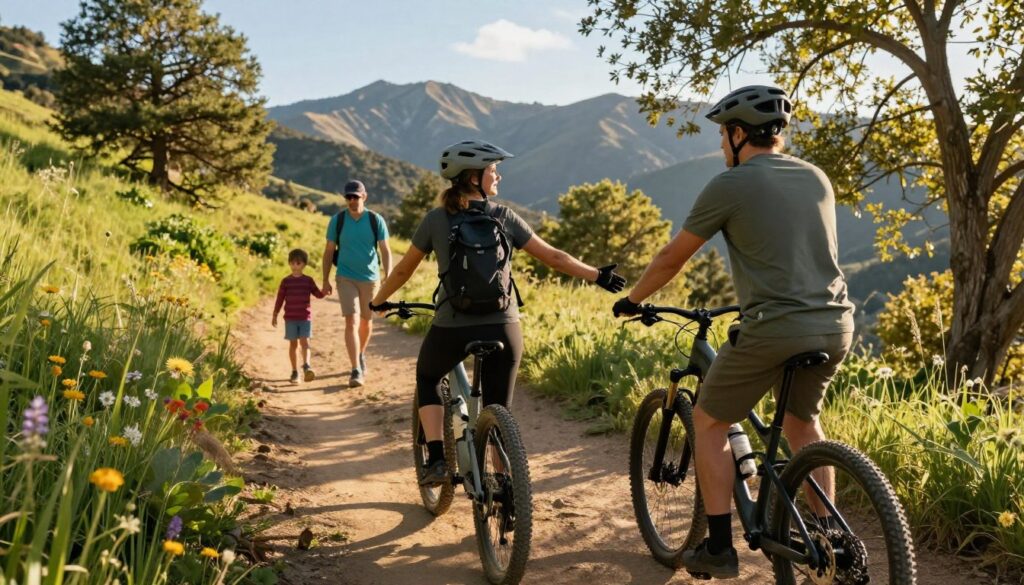
Forests & Foothills: Lush woodlands invite exploration but demand fire awareness and proper food storage. A core part of mountain bike etiquette here is respecting wet-season trail closures to prevent ruts. Always yield to hikers and equestrians, and use designated braking zones to protect trail edges.
Sierra Nevada & Alpine: High-elevation meadows and snowfields are exceptionally fragile. Camp at least 200 feet from lakes and streams. Travel over snow when possible, as it protects the underlying vegetation. Stick to established trails when snow melts.
| Region | Ideal for Practicing | Fragile Areas to Avoid |
|---|---|---|
| Coast & Islands | Staying on durable surfaces (rock, sand); respecting wildlife distance; using reef-safe sunscreen. | Active dunes systems; seabird nesting areas (spring/summer); specific zones within Marine Protected Areas. |
| Deserts & Canyons | Camping on rock/sand; minimizing water use; packing out all waste, including organic matter. | Cryptobiotic soil crusts; dry wash beds (flash flood risk); rare desert water holes. |
| Forests & Foothills | Proper food storage; respecting fire restrictions; mountain bike etiquette on designated trails only. | Unmarked social trails; muddy trails during/after rain; known bear foraging areas. |
| Sierra Nevada & Alpine | Camping on mineral soil; traveling on snow or rock; keeping groups small in meadows. | Alpine meadows during snowmelt; sensitive riparian zones; peregrine falcon nesting cliffs. |
Use this table as a starting point for planning your next outing. Always check with local land managers for current conditions. Their knowledge helps us avoid accidentally impacting restoration sites or seasonal wildlife closures.
Remember, our goal isn’t to avoid these beautiful places forever. It’s to visit them with care or choose a more resilient alternative when conditions are sensitive. This way, we ensure these landscapes remain vibrant for generations to come.
We can all be confident explorers. By knowing where and how to practice, we turn every trip into a positive force for California’s natural heritage!
Join the Movement: cleanups, trail days, citizen science
True stewardship grows when we work together to heal our landscapes. Taking the first step by following Leave No Trace is key. But, it’s when we join others that we really make a difference.
Joining cleanups is a great way to help. Beach cleanups keep marine life safe from plastic. Trail cleanups help wildlife by removing trash. Every piece of trash we pick up shows we care.
Trail maintenance days are also important. Volunteers help fix trails and restore habitats. Contacting your local land management agency can help you find these opportunities. Your work keeps trails open for others.
Citizen science projects let you help with data collection. You can track wildlife or water quality. This data helps scientists make better choices. Sharing LNT through education is also key.
Our work doesn’t stop with the seasons. Winter needs special care for alpine areas. Following ski and snowboard etiquette is essential. This means staying on trails and packing out trash.
This ongoing effort makes us true change-makers. Every cleanup and data point helps heal our planet. We’re celebrating and fixing our home together.
Want to make a difference? Look for volunteer events with groups like the Sierra Club. Advocate for green practices in outdoor clubs. Remember, your actions matter, as shown in our guide on why LNT matters in high‑use areas. Let’s leave our mark, one cleanup at a time.
Quick Checklists, FAQs, Resources
We’ve covered the basics. Now, let’s give you quick tools for your next adventure.
Use these checklists as a final scan before you head out:
- For Surfing: Reef-safe sunscreen, check for microtrash, respect the lineup.
- For Hiking/Running: Stay on the trail, yield properly, keep groups small.
- For Mountain Biking: Honor mud closures, know trail priority, use designated braking zones.
- For Climbing: Minimize chalk, clean tick marks, respect fixed anchors.
Common questions often arise. Always check the official California State Parks rules for specifics on pets, fire regulations, and permit requirements. These rules are your definitive guide for protected areas.
Essential resources keep you informed:
- California State Parks Official Website: Your source for all California State Parks rules and alerts.
- Leave No Trace Center for Outdoor Ethics: Detailed principle guides.
- Local organizations like the Sierra Club or your regional trail council for volunteer days.
Our practice is more than a list. It honors a deeper wildness. As poet Gary Snyder reminds us, we learn to live without causing unnecessary harm, appreciating the elegant forces that shape life. Every mindful choice protects this compact and strengthens our community of stewards.
We go forth equipped, informed, and connected. Let’s continue caring for California’s wild places together.