

Glacier shuttle tickets are the main planning detail for many summer 2026 visits, especially if Logan Pass is part of your day. Glacier National Park removed park-wide timed vehicle reservations for the 2026 season, but shuttle access to Logan Pass now has its own ticket rules. That shift gives drivers more flexibility at entrance stations, while asking shuttle riders to be more precise about date, time, and boarding point.
As of August 27, 2026, the ticketed Logan Pass shuttle service is scheduled to run through September 7, 2026, weather permitting. Private vehicle parking at Logan Pass has also been limited to three hours since July 1, 2026. For families, hikers, and road-trippers, the practical takeaway is simple: you no longer need to plan around a park-wide vehicle entry window, but you still need a clear Logan Pass plan before you arrive.
What Changed For 2026 Vehicle Entry
No Park-Wide Timed Entry
For the 2026 season, Glacier National Park eliminated timed-entry vehicle reservations across the park, including Going-to-the-Sun Road, Many Glacier, Two Medicine, and North Fork. The National Park Service announced the change in its 2026 summer operations announcement. That means visitors do not need a separate vehicle reservation to drive into those areas, though standard park entry requirements still apply.
This is a major planning difference from recent summers. It can make a last-minute drive more realistic, and it gives families room to adjust around naps, meals, weather, and long travel days. Still, no vehicle reservation does not mean every parking area will be easy. Logan Pass remains a highly sensitive pinch point because it sits along Going-to-the-Sun Road and serves popular hikes and viewpoints.
For travelers comparing reservation systems across U.S. parks, this related article on national park reservations in 2026 can help frame what changed beyond Glacier.
Why Flexibility Still Needs A Plan
The change removes one layer of pre-trip paperwork, but it does not remove the need to think through timing. Since July 1, 2026, private vehicle parking at Logan Pass has been limited to three hours. That can help turnover, but it also means long hikes from Logan Pass require a different approach if you are not eligible for overnight parking.
Families should be realistic about how much they can do in a three-hour parking window. A short stop, restroom break, photos, and a nearby walk may fit. A longer hike may not. If Logan Pass is the anchor of your day, decide early whether you are aiming to drive, ride the shuttle, or adjust to another part of the park if conditions or ticket availability do not line up.
How Glacier shuttle tickets Work
Booking Windows For Glacier shuttle tickets
Tickets for the Logan Pass shuttle are required for each person age 2 and older. Infants under age 2 ride free as lap children. Each ticket is valid only for its printed date, time, and boarding location, and tickets are nontransferable. The 60-day booking window began May 2, 2026, at 8:00 a.m. MDT on a rolling basis. The next-day release began June 30, 2026, with remaining tickets released daily at 7:00 p.m. MDT for the following day.
Glacier shuttle tickets carry a $1 non-refundable processing fee per ticket. The shuttle ticket is only a seat reservation; it does not include the park entry fee. Visitors are expected to have a Recreation.gov account to book, and the park advises printing or downloading tickets because cell service can be unreliable. You may also be asked to show photo ID that matches the ticket.
For a family group, the ticket rules matter because every eligible rider needs a matching ticket. Do not assume one adult booking covers a full carload unless each person age 2 and older is included. I would also avoid waiting until the trailhead parking question is already stressful. If Logan Pass is central to your day, set a reminder for the 60-day window or the 7:00 p.m. MDT next-day release.
Boarding Locations And Transfers
The 2026 ticketed shuttle system serves Logan Pass from both sides of the park. On the west side, boarding locations include Apgar Visitor Center and Lake McDonald Lodge, with afternoon stops including the Loop and final drop-off at Logan Pass. On the east side, boarding locations include St. Mary Visitor Center and Rising Sun. Visitors may transfer at Logan Pass between east and west shuttles when needed.
If your Glacier shuttle tickets are tied to a specific boarding location, build your lodging and morning drive around that exact point. A west-side ticket will not be as useful if you wake up near St. Mary, and an east-side ticket can create backtracking if your family is based near Apgar. This is where a map, not just a wish list, should guide your plans.
One important limitation for 2026: Avalanche Lake and Trail of the Cedars are not served by the park shuttle. If either place is part of your plan, you will need to think about driving, timing, and parking rather than assuming the Logan Pass shuttle will solve access.
Driving, Parking, And Trail Access
Logan Pass Parking And Long Hikes
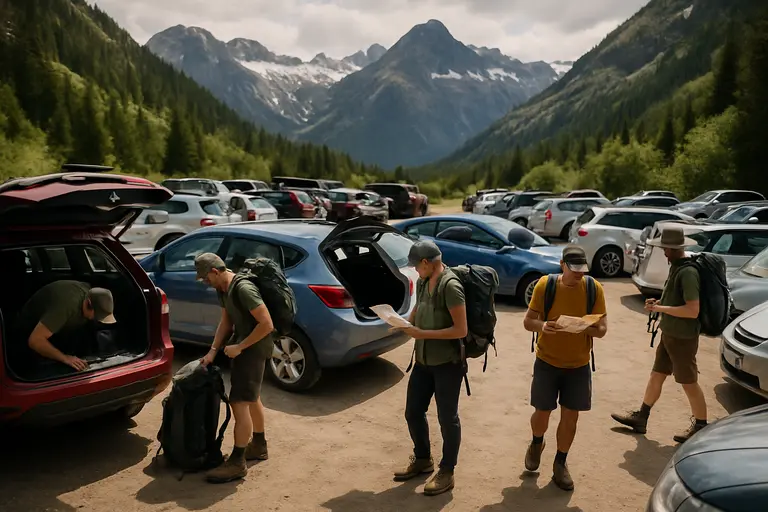
Since July 1, 2026, private vehicle parking at Logan Pass has been limited to three hours. That rule is especially relevant for hikes that start at Logan Pass and take much longer than a short visit. Day users starting longer hikes from Logan Pass, including routes such as the Highline Trail or a hike toward the Loop Trailhead, need shuttle tickets rather than relying on leaving a private vehicle for an extended period.
Overnight parking at Logan Pass is limited to backcountry permit holders or registered guests at Granite Park Chalet. It is only allowed for the dates of the stay, and visible permit hang-tags are required. If you are planning a backcountry or chalet-based trip, treat that paperwork as part of your access plan, not as an afterthought.
Vehicle Size Rules On Going-To-The-Sun Road
Vehicle size rules remain a key part of Going-to-the-Sun Road planning. Vehicles and vehicle combinations longer than 21 feet, including bumpers, or wider than 8 feet, including mirrors, are prohibited between Avalanche Creek and Rising Sun. Vehicles over 10 feet in height may have difficulty traveling westbound because of rock overhangs, according to the park’s Logan Pass 2026 FAQ.
That restriction matters for rented RVs, truck campers, trailers, and families who pack roof boxes or hitch-mounted gear. Measure before you commit to a route. Stock trucks and trailers have their own limits, with access allowed only to specific points noted by the park: Packers Roost on the west side and Siyeh Bend on the east side.
The park also stated there would not be a Glacier-operated hiker and biker shuttle in spring 2026. Local commercial operators with permits may offer bike rentals, bike transport, or other transport services during that season. If you are planning around cycling access, confirm details directly with permitted operators before building the day around a ride.
Glacier National Park Visit Planning Notes
Before You Book Lodging Or Flights
The 2026 access setup rewards travelers who match lodging location to the day’s main goal. If Logan Pass is the priority, decide whether an east-side or west-side base makes more sense for your shuttle boarding location. If Many Glacier, Two Medicine, or North Fork is the priority, the lack of park-wide vehicle reservations gives you more freedom, but you should still expect summer demand to shape parking and timing.
Build your plan around confirmed details: the shuttle season dates, the specific ticket time, the specific boarding location, and the three-hour Logan Pass parking limit. Download or print tickets before entering areas with unreliable cell service. Keep photo ID handy for the ticket holder. Travelers seeking more extensive planning ideas beyond this specific setup might benefit from exploring multigenerational travel tips found on The Silver Liners.
Family Timing And Backup Choices
Treat Glacier shuttle tickets as one piece of the day, not the whole vacation. A family trip works better when you have a Plan B that does not depend on one parking lot or one seat release. If the next-day ticket window does not work out, shift attention to a part of the park that fits your lodging, vehicle, and energy level. Keep food, water, layers, and patience in the car, because weather and mountain travel can change how long simple transfers feel.
The most useful mindset for August and early September 2026 is flexible but specific. Flexible means you are not locked into one overlook or trail if access does not line up. Specific means you know your entry needs, ticket time, boarding location, vehicle size, and parking limits before you leave your lodging. That balance is what makes Glacier’s 2026 system workable for families, hikers, and scenic-drive travelers alike.