

Getting ready for California’s trails is like setting up a Hollywood stunt. Forget one safety detail, and you’re in a blooper reel. The redwoods of NorCal whisper “hydration packs and rain shells,” while SoCal’s desert trails say “Don’t forget sun protection and a sense of humor.”
This isn’t just about looking good (though style does count). It’s about survival. Your gear needs to be as quick as a politician’s change in heart. Look for clothes that keep you dry, knee pads that can handle a fall, and gloves that grip like a pro.
I’ve seen riders try to ride through Mendocino mud in shorts. Don’t be that Darwin Award candidate. The real heroes are the gear that turns scary moments into exciting ones. It’s all about avoiding ER visits and enjoying the ride.
Core Gear: Helmets, Gloves, Shoes
Your mountain bike’s only as reliable as the gear you wear. Helmets and gloves are like the Indiana Jones satchel of dirtbag survival. They turn “I ate shit on Fire Road 19” into a funny story at camp.
MTB helmets are not just accessories; they’re lifesavers. That MIPS rating is what keeps you safe from head injuries. Don’t worry about looks; focus on safety. Good helmets are affordable and worth it.
Gloves protect your hands from the harsh trails. Bad gloves can leave you with painful blisters. Choose gloves with gel padding and touchscreen tips for better riding.
Now, let’s talk about MTB shoes. Do you prefer sticky soles or clipless pedals? It’s like choosing between Apple and Microsoft. Flat pedals are forgiving, while clipless pedals are for the bold.
| Feature | Flat Pedal Shoes | Clipless Shoes |
|---|---|---|
| Learning Curve | Instinctive (like Crocs) | Requires PhD in Clipology |
| Bail-Friendly | Yes | Hello, tree! |
| Power Transfer | Good enough for mortals | Lance Armstrong vibes |
Not sure what to choose? Think about it this way: Is saving 30 seconds worth the risk of falling? Exactly.
Picking the Right Bike for California Trails
Choosing a bike for California’s trails is more than picking “a bike”. It’s about finding the right match for the terrain. You need a bike that’s as tough as the trails themselves.
Gravel bikes on Mammoth Mountain? That’s not adventure. It’s like bringing a spork to a fancy restaurant. The right bike affects how well you ride and how you care for the trails. A durable bike means fewer repairs, less waste, and more fun rides.
Let’s look at some top picks:
| Bike Model | Terrain Sweet Spot | Suspension Travel | Eco Durability |
|---|---|---|---|
| Santa Cruz Bronson | Coastal tech trails | 150mm | Carbon frame (10-year warranty) |
| Specialized Stumpjumper | High desert rollers | 140mm | Recyclable alloy options |
| Trek Checkpoint | Fire road expeditions | N/A (rigid) | Modular component system |
The Bronson vs Stumpjumper debate is like choosing between Tesla and Rivian. Both are great, but the right choice depends on where you ride. Demo days are like Tinder for bikes. They help you find the perfect match without wasting money.
When choosing a bike for California trails, consider:
- Wheel size (29″ vs 27.5″) – the NBA vs NFL of traction
- Frame material carbon efficiency vs repair feasibility
- Geometry that matches your risk tolerance
Your ideal bike is where eco-friendliness meets your riding style. Now, go find your perfect ride. Just remember, gravel bikes aren’t for steep descents.
Accessories: Lights, GPS, Pumps, Repair Kits
Your bike’s accessories are like a Swiss Army knife for the trail. They’ve evolved from simple water carriers to command centers. Today, they offer USB charging, tool storage, and even hydration reminders.
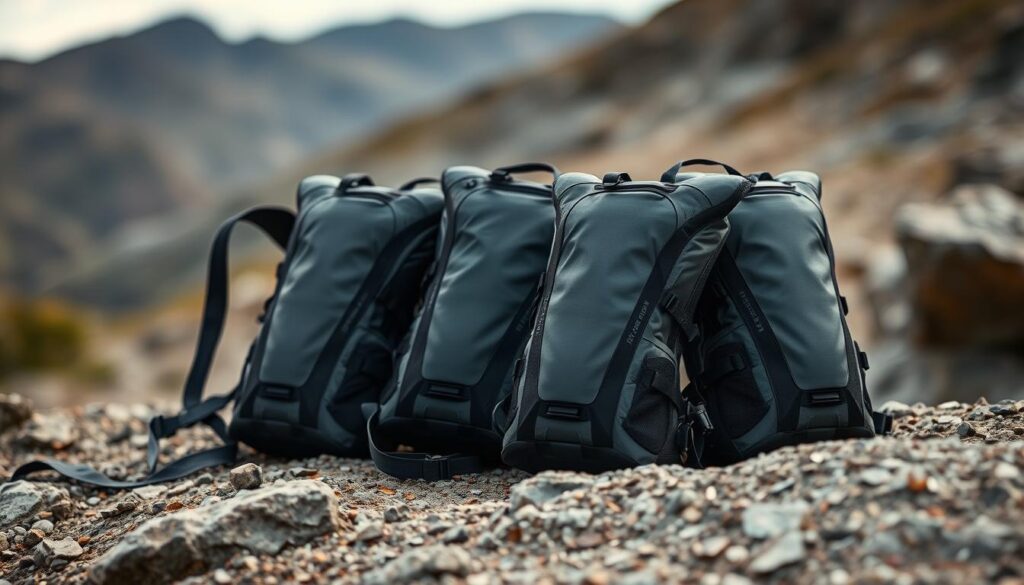
The debate over Lezyne pumps vs CO2 cartridges is real for trail riders. Manual pumps are like driving stick, slow but fixable. CO2 systems, on the other hand, offer quick inflation but can leave you stranded.
| Lezyne Floor Drive | CO2 Inflator | |
|---|---|---|
| PSI Capacity | Unlimited | 2-3 uses |
| Weight | 290g | 150g |
| Best For | Epic rides | Race days |
Using your phone for GPS without a proper mount is risky. QuadLock’s system keeps your $1,200 iPhone safe from damage.
Your repair kit is just as important as your bike. You’ll need:
- Tubeless plugs (the duct tape of mountain biking)
- Multi-tools with Torx 25 – because manufacturers love proprietary bolts
- Chain quick links – because walking 15 miles in cleats builds character nobody wants
Remember, hydration packs are more than just water containers. They’re your mobile HQ. The Osprey Raven 14 even has a crash sensor that texts your emergency contact. It’s like having a Silicon Valley safety net.
Clothing for Changing Conditions
Mountain bikers dress like high-tech onions because California’s trails have unpredictable weather. Their clothes aren’t just fashion; they’re survival gear. They protect against sudden changes in weather, from hot to cold, as fast as Elon Musk changes CEOs.
| Tier | Material Science | Superpower | Trail Test |
|---|---|---|---|
| Base Layer | Merino wool blends | Wicks sweat 3x faster than cotton | Santa Monica’s 70° climbs |
| Mid Layer | Polartec Alpha | Traps heat without bulk | Tahoe’s 40° descents |
| Shell Layer | Pertex Quantum Air | Blocks wind, breathes like lungs | Big Sur’s coastal gusts |
Cotton tees are outdated, like flip phones and cable TV. That “vintage” band shirt? It’s a sweat sponge with built-in chafe technology. Modern MTB clothes use smart fabrics that control moisture and temperature.
The Patagonia Houdini jacket is a superhero. It’s light, folds small, and blocks wind. When Sierra storms hit, it’s like Batman’s cape – without the brooding.
As Tahoe guide Marissa Wu says: “Dress like you’re escaping Area 51 – layers save lives when the mountains sneeze.” Her advice? Always carry arm warmers. They’re like Swiss Army knives for temperature control, cheaper than lawyers and more fun than TikTok.
Pads and Protection Choices
Modern protection gear acts like airbags for cars – it deploys before you even know you need it. This gear is smarter than any Silicon Valley tech and doesn’t cause midlife crises.
Fox Racing’s D30 sleeves are like hyper-vigilant bodyguards. They’re flexible until impact, then harden fast. Dainese’s full-coverage suits offer tank-like security. Choose based on whether you’re dodging roots or tackling Moab’s rock gardens.
MIPS technology in helmets is a game-changer. It’s like a brain-saving matrix that redirects forces better than GPS reroutes traffic. Source 3’s research shows helmets with MIPS are 40% more effective than older models.
For California riders, three things are non-negotiable:
- Knee guards with honeycomb ventilation (heat management > machismo)
- Elbow sleeves using gradient compression (think blood flow meets crash protection)
- Spine protectors rated for DH use (even if you’re not racing)
The best mountain bike protective gear uses NASA-grade materials and is wearable. Our tip? Test how well you can move in the store. If you can’t scratch your nose or check your blind spot, keep looking.
Remember, quality armor lasts longer than trends. That $300 jacket is an investment, not a purchase. Gear up and ride like California’s terrain owes you money.
On-the-Go Nutrition and Hydration
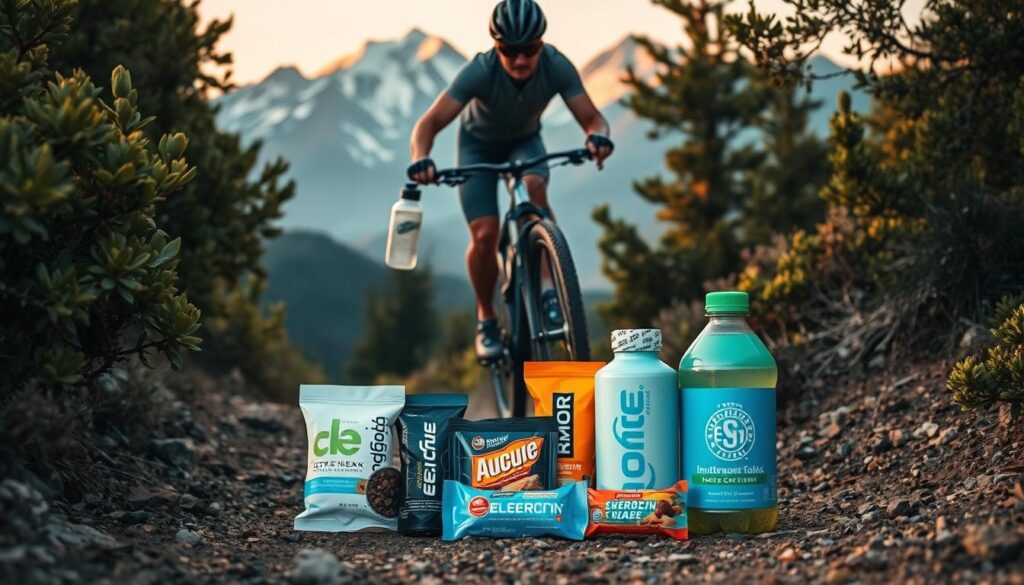
Nothing ruins a ride faster than bonking. Your body needs top-notch fuel for tough climbs. I learned this the hard way in Death Valley, where my snacks turned into hallucinations.
The Great Snack Debate:
| Energy Source | Pros | Cons | Best For |
|---|---|---|---|
| CLIF Bars | Convenient, 20+ flavors | Taste like spackle after mile 15 | Quick trail stops |
| Homemade Snacks | Customizable, fresh ingredients | Requires prep time | Epic 6-hour rides |
| Cold Pizza | Real food satisfaction | Pepperoni grease ≠ pocket-friendly | Post-ride celebrations |
A pro mechanic once said: “Cold pizza delivers more sustained energy than any gel – it’s the carb-protein balance your inner frat boy craves.” But remember, what works in NorCal might not in SoCal.
Hydration Horror Stories:
Forget your hydration bladder for three rides, and you’ll create a microbial mess. Pro tip: Freeze it between uses. Your future self will thank you for that first sip of water.
- Electrolyte mixes: Choose ones that don’t double as ant poison
- Water intake: 1 bottle/hour minimum – more if you’re sweating like a politician at a fact-checking convention
- Post-ride recovery: Chocolate milk outperforms most $10 “recovery elixirs”
The real secret? Practice your nutrition strategy like you practice cornering. Your gut needs training wheels too. When’s the last time your energy gel didn’t leave you in a sugar-crash spiral?
Essential Tools for Trailside Repairs
What makes a ride go from great to unforgettable? It’s your repair kit. You need tools that are small, versatile, and easy to use, even when your hands are shaking.
The multi-tool is your go-to for quick fixes. It’s like a mini toolbox that can solve most problems. The big question is: Crank Brothers vs Park Tool. It’s like choosing between Apple and Android.
- Crank Brothers M19: It has 19 functions in just 190g. It’s your stylish, lifesaving friend.
- Park Tool IB-3: It’s the mechanic’s favorite. It’s not as pretty but packs a punch.
But tools aren’t everything. My mechanic friend says, “Zip ties can’t fix stupid, but they’ll delay the walk of shame long enough for cell service.” Here’s what you need to survive:
- 3 heavy-duty zip ties (for quick chainstay fixes)
- Duct tape strip (to prevent blisters and fix frames)
- Tubeless plug kit (for when sealant fails)
- Spare derailleur hanger (for when it breaks)
Pro tip: Practice fixing things in your driveway. Learn to true a wheel while mosquitoes buzz around you. That’s the real test of mountain biking skills.
Gear Care and Longevity
Imagine cleaning your bike’s drivetrain as California’s new mindfulness practice. It’s like zen gardening for gearheads – a mix of WD-40 and eco-friendly outdoor gear wisdom. The Berkeley Bike Co-op says, “Clean bikes ride faster… and smell better than patchouli.”
- Biodegradable lubes that earn karma points with every chain rotation
- Microfiber cloths repurposed from last season’s tech bro uniform
- Bamboo brushes that exfoliate grime without plastic guilt
Ignoring your bike’s maintenance is like having mechanical eczema. That gritty sound when pedaling? It’s your bike saying, “I told you so.” Source 1’s tips show bikes with plant-based products last 23% longer on Sierra trails.
Sustainability can also save you money:
| Conventional Product | Eco Alternative | Annual Savings |
|---|---|---|
| Petroleum degreaser | Citrus-based cleaner | $47 + 8 marine species |
| Disposable wipes | Reusable hemp rags | 142 lbs landfill waste |
Source 3’s data shows a 40% drop in trailside microplastics with compostable sealants. Your derailleur doesn’t care about saving the planet, but your grandkids might. Store your gear in breathable cotton bags, not plastic. Your grips will be extra tacky on Tahoe descents.
A well-loved bike has better stories than a showroom model. If someone doubts your oat milk-based chain lube? Just smile and say, “It’s biodynamic.”
Where to Buy, Rent, or Demo Gear
Finding the right gear in California is like picking the perfect avocado toast in Silver Lake. Big-box stores might be easy, but they’re not the best choice. Local shops are where you want to go because the staff knows the trails.
In Northern California, bike shops are like Napa Valley tasting rooms. They’re all about the tech and carbon fiber. In Southern California, it’s like Venice Beach, all about the muscle and SPD cleats. Demo days are like speed dating for bikes. You can try out five bikes in one day and find the perfect one for you.
Smart Acquisition Strategies
- Eco-conscious retailers: Sports Basement has DIY repair stations and a great selection of used gear.
- Demo hacks: Visit during Sea Otter Classic or Interbike for free gear from manufacturers.
- Rental ROI: Renting carbon wheels for Downieville descents is cheaper than fixing your teeth.
| Option | Cost/Day | Commitment Level | Best For |
|---|---|---|---|
| Full-suspension Rental | $75-$150 | Low | Vacation riders |
| Demo Programs | Free-$50 | Medium | Serious buyers |
| Season Lease | $500-$900 | High | Snowbirds |
Pro tip: Use PinkBike’s Buy/Sell forum to buy and sell bikes. Just make sure to check the serial numbers. Supporting local shops helps keep trails open. That money you save at big-box stores? You’ll spend it fixing your bike.
Conclusion
Mountain biking in California is more than just pretty views and fancy bikes. It’s a battle with the terrain, where your gear is your best ally. We’ve talked about helmets and tire pressure, but there’s more to it than meets the eye.
The Sierra Nevada doesn’t care about your bike’s price tag. What matters is your strategy, your tools, and your snacks. Steinbeck said it best: “The trail doesn’t care about your LinkedIn title.” Your fancy degree won’t fix a flat tire at high altitudes.
Smart riders know how to gear up for any situation. They wear layers, use knee pads, and carry lights. But the real secret? Don’t forget the beer opener. No fancy bike can replace a cold beer at the end of the ride.
Your bike is your partner in adventure, but California’s trails demand preparation. Learn about repair kits and hydration like a pro. Then, hit the trails and make your planning come alive. That final descent will be the sweetest victory.