

Imagine a stage that stretches 1,100 miles of coastline. Here, sequoias act as greenroom bouncers and desertscapes are like improv stages. It’s not a TV show – it’s the real-time ecological spectacle in nine national parks and wild corridors. Instead of CGI dragons, our coastlines show otters using rocks like chefs cracking crab.
I saw a condor fly by Morro Rock like a VIP. Elephant seals along Highway 1 argued like reality TV stars. California’s wildlife isn’t just impressive – it’s performative, with more drama than a Shonda Rhimes marathon.
But these eco-adventures need more than just phone-wielding viewers. Unlike watching nature shows, interacting with living ecosystems requires respect. (Remember, that bison isn’t for your Instagram – it’s assessing your threat.)
We’re about to dive into sanctuaries where nature writes its own stories. From gray whale migrations to coyote monologues in chaparral, we’re the supporting actors in this theater.
What Makes California an Eco-Adventure Hub?
California’s biodiversity is unmatched. Imagine snorkeling in kelp forests at dawn and hiking by giant sequoias by lunch. It’s not just geography; it’s a show of nature’s power.
Climate zones are the key. California packs 12 ecosystems into one state. From Monterey Bay’s deep submarine canyon to Morro Bay’s diverse habitats, it’s nature’s Swiss Army knife.
California vs. Other States: Ecosystem Throwdown
| Feature | California | Texas | Florida |
|---|---|---|---|
| Habitat Types | 12 | 6 | 5 |
| Elevation Range | -282 ft to 14,505 ft | 0-8,751 ft | 0-345 ft |
| Unique Species | Condors, Elephant Seals | Armadillos | Manatees |
California leads in conservation. While others debate climate policy, California protects 24% of its land. This makes even Greta Thunberg smile. Mountain lions roam Hollywood hills, and desert tortoises live longer than most tech startups.
This diversity offers unique eco-adventure combos:
- Morning whale watching + afternoon redwood tours
- Dune surfing at Death Valley + bioluminescent kayaking
- Coastal fog photography + star-gazing in light-pollution-free deserts
Why choose single-biome states when California offers nature’s ultimate buffet? Bring your binoculars; the real treasures aren’t in jewelry stores.
Best Spots for Animal Encounters (By Region)
California’s wildlife is like a nature album with every ecosystem having its own song. We’ll show you the best places to see these animals without the usual noise.
Coastal: Otter TikTok Headquarters
Monterey’s Elkhorn Slough is a place where sea otters show off their skills. They float belly-up, cracking shellfish like they’re in a Disney movie. Visit during low tide to see:
- Bat rays gliding through eelgrass (marine Roomba vibes)
- Harbor seals moonwalking in mudflats
- Pelicans dive-bombing anchovies like feathered torpedoes
Morro Bay’s kayak routes are perfect for watching sea lions swim in sync. Big Sur’s cliffs are home to elephant seals that snore loudly from December to March.
Mountain: Fitbit-Busting Wildlife Hunts
The Sierra Nevada is not for the faint of heart. Mule deer here ignore hikers, only showing up after you’ve climbed high enough. For the brave, check out:
- Yosemite’s Tuolumne Meadows (bobcats that ignore basic trail etiquette)
- Sequoia’s Mineral King (black bears that could teach masterclasses in dumpster diving)
- Lassen Volcanic NP (pine martens moving like they’ve mainlined espresso)
Desert: Where Physics Takes a Smoke Break
Joshua Tree’s sidewinders move like they’re in a dance challenge. They’re so smooth, it’s like they’re defying physics. Springtime in Anza-Borrego turns it into a roadrunner cartoon with:
- Coyotes that actually say “meep meep” (unverified but plausible)
- Desert tortoises winning slow-motion races against geology
- Bighorn sheep scaling cliffs like they’re late for a Zoom meeting
Top Species to Look For & When
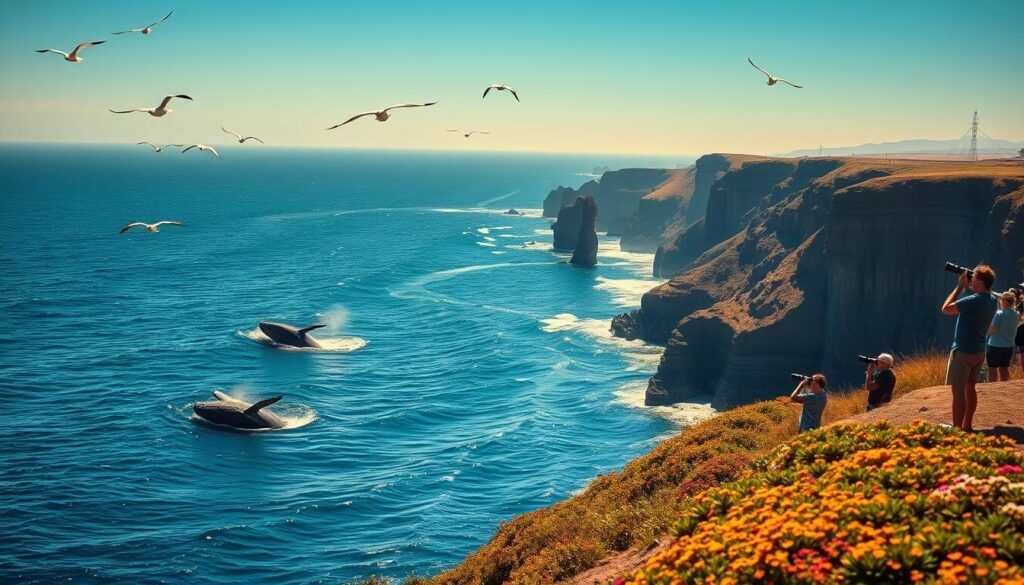
Knowing California’s wildlife schedule is like having a backstage pass to nature’s greatest hits. Here, the stars have fins, feathers, and no interest in your Instagram story. It’s like having a detailed guide to the state’s living calendar, with the precision of a marine biologist timing their coffee breaks.
Mammal Main Events
- Gray whales: The ultimate coastal commuters (20,000+ annually). Catch southbound pods December-April, northbound travelers March-June. Pro tip: Bring binoculars to spot their heart-shaped blows – nature’s way of saying “We’re just friends.”
- Morro Bay sea lions: May-June pupping season turns the docks into a squeaky symphony. Warning: Their territorial barks make subway musicians sound like Adele.
Avian Prime Time
| Species | When to Go | Where |
|---|---|---|
| Brown pelicans | April-August | Central Coast rookeries |
| Snow geese | Nov-Feb | Sacramento Valley |
| Albatross | Spring | Farallon Islands |
Birders, mark your calendars: The real “March Madness” happens when 10 million shorebirds descend on San Francisco Bay during spring migration. Bring a scope – and maybe a thesaurus for all those “Wow” moments.
Our pro tip? Sync your whale watching with the lunar cycle. New moons mean darker nights for bioluminescent displays – basically nature’s rave for krill-loving cetaceans. Just don’t blame us when you start judging parties by their plankton density.
Birdwatching Hotspots
California’s birdwatching scene is like a drama-filled Broadway show. We have acorn woodpeckers in fancy feathers, sandpipers doing comedy, and bird fights that could be on TV. Here are the top spots to see these amazing birds:
- Morro Bay’s Winter Spectacle: Imagine 200+ bird species playing a game of musical chairs with the tides. The Morro Bay Bird Festival turns anyone into a birdwatching enthusiast. Don’t forget waterproof notebooks, as pelicans dive bomb here with great precision.
- Salton Sea’s Desert Mirage: This accidental wetland is home to pink-flamingo look-alikes and the ferruginous hawk, a stealth bomber of the skies. In February, the shores turn into a bird-filled frenzy during migration.
- Point Reyes’ Raptor Rodeo: See peregrine falcons hit speeds of 240mph while turkey vultures clean up. The Bolen Mesa Trail offers a front-row seat to this aerial show.
Big Morongo Canyon Preserve is our hidden gem. It’s home to warblers so colorful, they’d make Pantone jealous. Visit at dawn for a birdwatching TED Talk on eating insects.
Get the eBird Hotspot Explorer app. It’s like Tinder for birdwatching. Swipe right on birds nearby, left on lazy gulls. Just be careful not to get too obsessed with finding that special bird.
Marine Life: Whales, Seals, Tidepools
California’s coastline is more than just a pretty view. It’s a marine theme park where humpback whales jump like crazy gymnasts. Harbor seals even critique your kayaking skills. Forget Disneyland’s “It’s a Small World”; the real magic is when a gray whale’s spout soaks your binoculars.
Monterey Bay Whale Watch reports 98% sighting rates from April to December. But timing is key. Summer brings blue whales, the sea’s SUVs. Winter is for gray whales migrating south. Pro tip: Boat tours offer front-row seats to whale drama. Coastal hikes are cheaper but less exciting.
| Species | Best Season | Hotspots | Pro Tip |
|---|---|---|---|
| Humpback Whales | May-Nov | Monterey Bay | Watch for bubble-net feeding |
| Gray Whales | Dec-Apr | Point Reyes | Look for “whale highways” near headlands |
| Blue Whales | July-Oct | Channel Islands | Bring telephoto lens – these giants dwarf boats |
Kayaking With Marine Critics (AKA Seals)
Paddle through Elkhorn Slough or La Jolla Cove. You’ll learn seals are the judgiest audience ever. They’re experts at photobombing. Local guides say otters rate your stroke on a 10-point scale. Anything below 7 gets a disapproving squeak.
Tidepool Treasures: Where Starfish Party After Dark
Morro Bay’s tidal pools turn into underwater Coachellas at low tide. Our findings:
- Purple sea urchins crowd like indie fans at the main stage
- Hermit crabs play musical shells (no refunds for bad swaps)
- Anemones wave tentacles like glowstick-waving ravers
Safety Tip: If a sea otter floats by with a rock, don’t ask for DIY advice. They’ve perfected clam-shucking for millennia. We’re just awkward interns in their workshop.
Responsible Wildlife Watching: Do’s and Don’ts
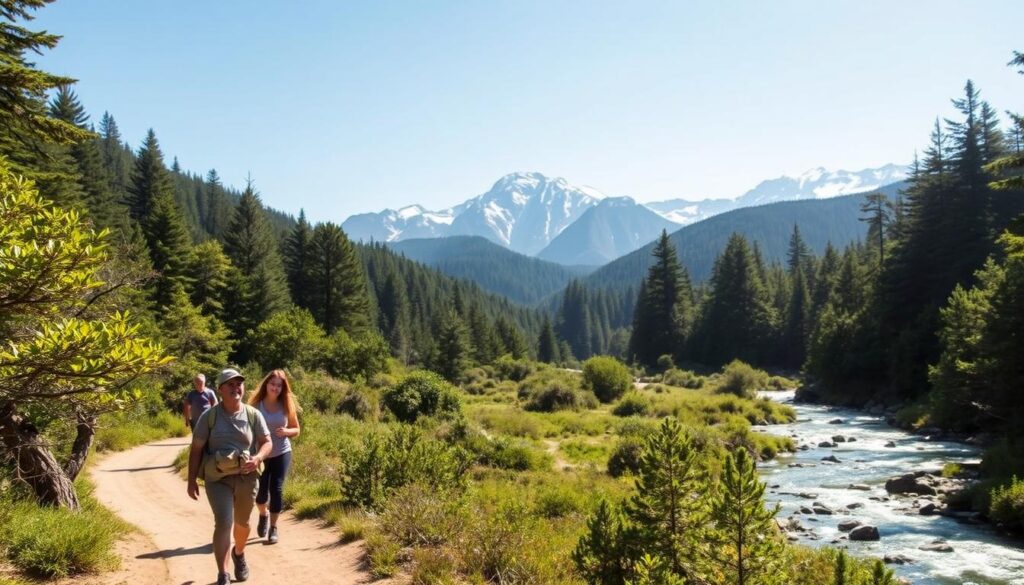
Wildlife tourism isn’t a trend or a Hunger Games audition. California’s ecosystems aren’t theme parks. That bison you’re eyeing? It’s not a plush toy with anger issues. Here’s how to avoid becoming the star of a “When Wildlife Tourism Goes Wrong” documentary.
The Cardinal Rule: Your selfie stick isn’t a magic wand. Monterey Bay’s electric catamarans show how real eco tours work. They’re not just avoiding diesel fumes; they’re preserving the marine soundscape for species like sea otters. Which brings us to…
Otter Observation 101
- Do: Stay 60+ feet away (that’s five kayak lengths for visual learners)
- Don’t: Play marine matchmaker. Feeding wild otters turns them into Finding Nemo characters with trust issues
Remember that viral video of tourists crowding elephant seals? Let’s call that the “Darwin Award Playbook”. Wildlife needs space more than your Instagram needs content. Pro tip: If an animal changes its behavior because of you, you’ve already failed.
The Snack Table Rules
- Sealed containers > Cheeto fingers (squirrels don’t need MSG addictions)
- Picnic 100+ yards from water sources (mosquitoes already have enough groupies)
- Trash goes in bear-proof bins, not under rocks (raccoons aren’t your cleaning crew)
That “harmless” apple core you tossed? It’s ecosystem roulette. Deer overgraze near trails, mountain lions follow, and suddenly your California camping guide becomes a survival manual. Sustainable tourism isn’t virtue signaling – it’s basic etiquette.
Final thought: Next time you’re tempted to pet a coyote pup, ask yourself: “Would I do this at a Motorhead concert?” Nature’s mosh pit has rules. Follow them, or stay home with your Netflix and Darwin Awards playlist.
Guided Wildlife Tours and Events
California’s guided wildlife tours are like nature’s reality TV. They mix learning with laughter. I once saw a marine biologist use pool noodles and dance to show a humpback whale’s love story. This is what makes eco tours so special – they blend fun with knowledge.
The Monterey Bay Eco Tour is a top choice. It offers three ways to explore:
- “Whiskey Tango Foxtrot” whale watches with former Navy sonar operators
- Kelp forest snorkel safaris led by PhD candidates
- Full Moon Kayak Tours where bioluminescence makes your paddle glow
The Outdoor Adventure Club’s California kayaking spots are perfect for thrill-seekers. They offer “Type 2 Fun” – it’s tough at the time but unforgettable later. Their Elkhorn Slough tour features:
- Otters that photobomb like TikTok stars
- Currents that are great for working out
- Guides who motivate with humor
This season, wildlife tourism is booming. Don’t miss these top events:
| Event | Location | Quirk Factor |
|---|---|---|
| BioBlitz Bonanza | Point Reyes | Competitive species counting |
| Whale Fest Monterey | Monterey Bay | Live jazz whale serenades |
| Desert Owl Prowl | Joshua Tree | Night vision karaoke |
When choosing between catamarans and zodiacs, remember – saltwater facials are only cool in ads. The real fun is in the chaos. It’s about sharing seasickness or learning dolphin politics with a guide who loves Jane Austen.
Citizen Science & Volunteering
Trade your spreadsheet for binoculars in California’s citizen science programs. Instead of office work, track elephant seals or discuss pelican migration. You become the data point.
At the Morro Bay Bird Festival, volunteers witness bird dramas. See heron turf wars and egret mating rituals. Remember, seagulls aim poorly until they see your binoculars.
Why Your Spreadsheet Skills Matter
- Monarch Tagging: It’s like LinkedIn for butterflies. Track their journeys from Pacific Grove to Mexico.
- BioBlitz Events: It’s like speed-dating for species. Find more biodiversity in 24 hours than in your apartment.
- Whale Fluke ID: It’s like fingerprinting for humpbacks. Recognize them by their tails, like spotting a bad haircut.
Your data helps scientists predict climate changes and protect wildlife California icons. You’ll use your ecology degree for real.
California’s eco-adventures offer a mix of structure and chaos. They’re unpaid but thrilling. Ready to swap your stapler for a field guide?
Conclusion
Forget streaming services – our state’s 16,600-acre wildlife theater is better than any show. From condors flying over Big Sur to elephant seals making noise in Año Nuevo, California offers amazing wildlife watching spots.
The Yolo Bypass wetlands show you don’t need special effects. Over 200 bird species fight in the sky over rice fields. Watching animals here turns simple binoculars into tools that change your view of the world.
Let’s talk about elephant seals: they’re not just a mystery. California’s ecosystems are full of life, not just pretty pictures. Snowy plovers write survival guides in the sand.
Smartphones can’t capture everything. No filter can match the beauty of a monarch butterfly swarm or the clash of tule elk antlers. Trading screen time for nature is where the real magic is.
Pack your field guide and explore. Every visit helps conservation, and every photo helps science. California’s wild is waiting for you – no subscription needed.