

California State Parks are increasing opportunities for residents and travelers to connect with natural landscapes, cultural landmarks, and outdoor recreation through an expanded schedule of more than 170 summer events across the state. The 2026 summer programming reflects a broader effort by the state park system to encourage exploration while creating educational, community-focused experiences for visitors of all ages.
From guided hikes and historic demonstrations to environmental programs and family activities, California’s parks are becoming more than destinations for sightseeing. They are evolving into active spaces where visitors can learn about conservation, regional history, wildlife, and the cultural stories connected to each location.
With millions of visitors traveling through California every year, the expansion of programming represents an important shift in how public lands are managed. Instead of focusing only on access to trails, beaches, and scenic viewpoints, park officials are building experiences that encourage longer visits, deeper engagement, and stronger connections between communities and protected areas.
California State Parks Increase Summer Programming Across Diverse Landscapes
The California State Parks system manages more than 280 park units, including beaches, forests, deserts, historic sites, and recreation areas. These locations represent some of the most visited outdoor destinations in the United States, attracting travelers who want experiences ranging from coastal exploration to mountain adventures.
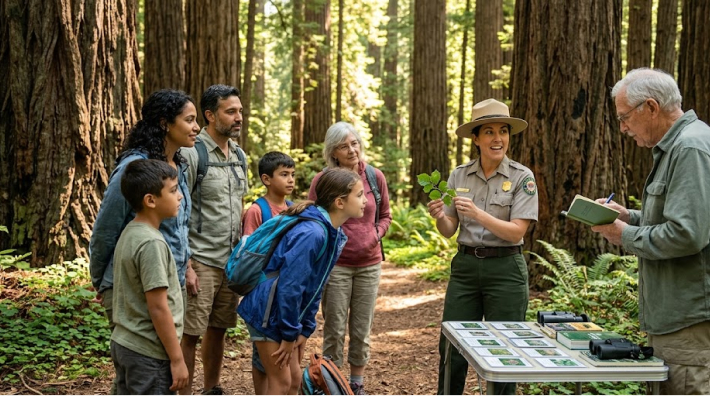
The 2026 summer event schedule includes more than 170 activities organized throughout the state. Programs highlight the unique characteristics of individual parks while supporting educational goals connected to conservation and public access.
Examples of summer programming include:
- Guided nature walks focused on local ecosystems and wildlife.
- Cultural programs highlighting Indigenous history and historic communities.
- Outdoor recreation activities designed for families and first-time park visitors.
The variety of events demonstrates how California is using programming to introduce more people to public lands while encouraging responsible recreation.
According to the California State Parks official website, visitor programs are an essential part of connecting communities with natural and cultural resources throughout the state. The department continues expanding interpretation, education, and recreation opportunities as demand for outdoor experiences increases.
| Program Area | Visitor Experience | Examples of Locations |
|---|---|---|
| Environmental Education | Learning about ecosystems, plants, and wildlife | Redwoods, coastal parks, desert regions |
| Cultural Programs | Understanding historical and cultural connections | Historic parks and heritage locations |
| Outdoor Recreation | Encouraging active exploration | Beaches, trails, lakes, and mountain areas |
Why California Is Investing In Experience-Based Tourism
California’s tourism economy has increasingly shifted toward experience-driven travel. Visitors are no longer only searching for famous landmarks; they are looking for activities that create memorable interactions with places.
State parks are positioned at the center of this trend because they combine natural scenery with educational opportunities. A visitor hiking through a redwood forest, participating in a coastal cleanup, or joining a ranger-led program gains a deeper understanding of the location than through a traditional sightseeing visit.
This approach also supports local communities surrounding state parks. Small towns near popular recreation areas often benefit from increased spending on lodging, restaurants, transportation, and outdoor businesses.
For example, communities near destinations such as Big Basin Redwoods State Park and Anza-Borrego Desert State Park rely heavily on outdoor tourism activity. Expanded programming can help distribute visitor attention beyond California’s most recognized attractions while introducing travelers to less frequently visited regions.
The state’s approach follows a national trend where parks and recreation agencies are focusing on meaningful engagement rather than simply increasing visitor numbers. Programs that combine education, recreation, and conservation can help protect natural resources while maintaining public access.
Summer Events Highlight California’s Cultural And Environmental Identity
California’s parks contain some of the most diverse environments in the country, from coastal wetlands and mountain forests to desert ecosystems and historic settlements. Summer events allow visitors to experience these areas through organized activities that explain their importance.
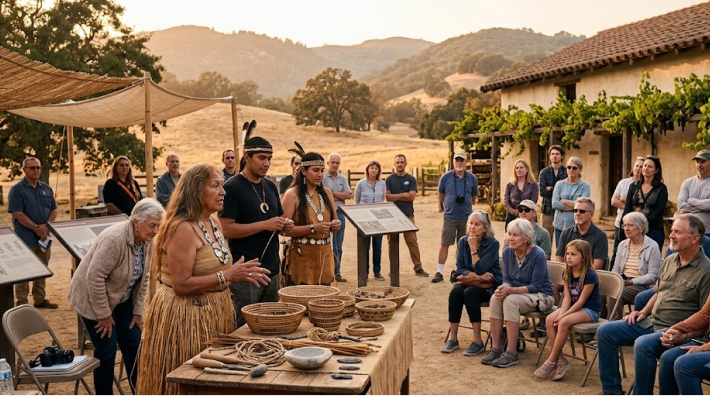
A major component of the programming involves interpretation. Park interpreters and educational staff help visitors understand the connection between landscapes and the communities that have shaped them over generations.
Programs may include discussions about:
- Native plant restoration.
- Wildlife conservation efforts.
- Indigenous cultural traditions.
- Local historical events.
- Climate-related challenges affecting natural areas.
This educational approach is especially relevant as California continues addressing environmental issues such as drought conditions, wildfire risks, and changing visitor patterns.
The California State Parks Foundation has emphasized the importance of public engagement and stewardship programs that help preserve California’s protected spaces for future generations.
Expanding Access For Families And New Outdoor Visitors
One of the biggest goals behind expanded summer programming is making state parks more approachable for people who may not regularly participate in outdoor recreation.
Not every visitor arrives with extensive hiking experience or knowledge about ecosystems. By offering structured activities, California State Parks creates entry points for families, children, older adults, and travelers discovering outdoor recreation for the first time.
Accessible programming can include shorter guided walks, educational demonstrations, junior ranger activities, and community events that do not require advanced outdoor skills.
This strategy is important because California’s outdoor spaces attract a wide range of visitors. A family visiting a coastal park may have different expectations than experienced backpackers exploring the Sierra Nevada region.
By creating different levels of engagement, state parks can serve broader audiences while encouraging responsible use of public lands.
Popular California Destinations Benefit From Organized Visitor Experiences
Major parks and recreation areas often face challenges connected to high visitation, including overcrowding, environmental damage, and limited educational resources.
Organized events provide a way to manage visitor flow while creating structured opportunities for learning. Instead of concentrating activity around popular viewpoints or trails, programs can encourage visitors to explore different areas within a park.
| Challenge | Experience-Based Solution |
|---|---|
| Crowded attractions | Guided activities that introduce alternative areas |
| Limited visitor knowledge | Ranger programs and educational events |
| Environmental pressure | Conservation-focused activities |
This model supports a healthier relationship between tourism and conservation. Visitors who better understand the importance of a location are often more likely to follow park guidelines and support preservation efforts.
California’s approach also aligns with growing interest in sustainable travel. Many travelers now consider environmental responsibility when choosing destinations, making educational outdoor experiences an important part of modern tourism.
The Future Of California State Park Experiences
The expansion of summer events represents a larger transformation within California’s public recreation system. Parks are becoming places where visitors participate, learn, and build connections rather than simply pass through.
Future growth will likely continue focusing on programs that combine technology, conservation, accessibility, and community involvement. Digital resources, improved visitor communication, and partnerships with local organizations can help parks reach new audiences while protecting natural resources.
For travelers planning California adventures, the expanded event calendar provides more opportunities to experience destinations in meaningful ways. Whether visiting a coastline, forest, desert, or historic location, organized programs allow visitors to understand the stories behind the places they explore.
California State Parks’ summer expansion shows how public lands can support tourism while maintaining their role as centers of education, conservation, and community connection. With more than 170 events available across the state, the 2026 season offers residents and visitors new ways to experience California’s landscapes and cultural heritage.
A related resource for travelers planning outdoor experiences is our guide on California outdoor adventures featuring ideas for exploring the state’s natural destinations.