Think California means endless sunshine and perfect beach weather? Think again. The Golden State is like a climatic choose-your-own-adventure book. Driving fifty miles can take you from Mediterranean bliss to desert inferno.
Our Sierra Nevada mountains create dramatic rain shadows that would make any meteorologist weep with joy. Pacific currents pull more temperature shifts than a Hollywood relationship. Coastal fog battles desert thermals in a daily atmospheric duel.
Understanding these microclimates isn’t just academic—it’s the difference between a glorious adventure and becoming a heat-related statistic. That’s why tools like the CalHeatScore system exist to help residents stay informed.
Let’s decode California’s meteorological madness with the precision of a climate scientist. And the dark humor of someone who’s definitely been caught unprepared in a desert heatwave.
Heat Illness Signs & Field Treatment
Your body sends out warning signs when it gets too hot, but we often ignore them. It’s like ignoring the signs of a bad relationship until it gets too serious. Heat illness starts with small hints and can quickly get worse.
At first, you might feel really sweaty and tired. Your body is trying to tell you it’s too hot. If you ignore these signs, you might start feeling dizzy, nauseous, and have a headache.
Heat stroke is the worst part. It’s when your body starts to fail. It happens fast, and it’s not just uncomfortable. It’s a serious problem.
When treating heat illness in the field, act fast. Find shade quickly. Drink lots of water. Cool your skin with water, even if it’s not the best drink.
Critical recognition signs include:
- Excessive sweating that suddenly stops (your body’s white flag)
- Confusion or irrational behavior (the heat’s version of drunk texting)
- Hot, dry skin despite high temperatures (the silent scream of heat stroke)
- Rapid pulse that feels like a drum solo in your chest
The Youth Garden Project knows a lot about dealing with extreme heat. They protect plants from the sun, just like we need to protect ourselves from heat illness. Their methods for cooling plants are similar to how we need to cool down fast.
Heat stroke is serious and can ruin your day. It’s like a bad storm that you can’t escape. Spotting the signs early can save you from a lot of trouble.
Getting used to the heat helps, but it’s not foolproof. Even the best athletes can get heat illness if it’s too hot. Always take early symptoms seriously. Your body’s warnings might be small, but the problems they signal are big.
Acclimation Plan (7–10 days) for Runners/Riders
Your body needs a 7-10 day plan to get used to heat. It’s like starting plants in a controlled space before they face full sun. This method works well for humans adapting to heat.
Think of your body’s heat handling as a slow-changing bureaucrat. It starts with 20-minute sessions in moderate heat. Each day, you increase the time by 15%.
This slow increase helps your sweat glands work better. Your blood volume and heart rate adjust. You feel less effort needed to cool down. It’s like upgrading to a better cooling system.
| Day | Duration | Intensity | Hydration Focus |
|---|---|---|---|
| 1-2 | 20-30 min | Light effort | Pre-hydration |
| 3-4 | 35-45 min | Moderate pace | Electrolyte balance |
| 5-6 | 50-60 min | Sport-specific | Real-time monitoring |
| 7+ | Full duration | Race effort | Complete hydration plan |
By day seven, you’ll handle heat like a pro. It’s not torture but a spa treatment for your body. You’ll sweat smarter, not harder.
The right hydration plan is key during this time. Your body learns to keep electrolytes and cool efficiently. It makes a big difference between struggling and thriving in the heat.
Hydration & Electrolytes by Sport/Duration
If hydration were politics, electrolytes would be the bipartisan negotiators preventing cellular government shutdown. They’re not just fancy salt—they’re the essential diplomats that keep your muscles from filibustering and your brain from fogging over like a Supreme Court confirmation hearing.
Consider the desert gardening approach to irrigation. Deep watering during cool periods prevents evaporation and ensures root absorption. Your body works the same way. Chugging water during peak heat is like trying to water a garden at noon—most evaporates before doing any good.
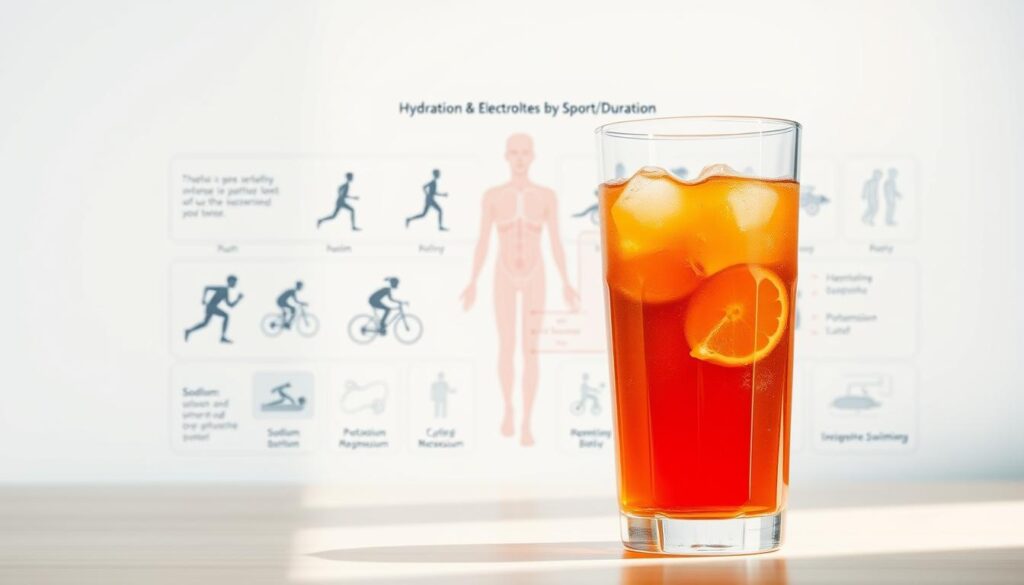
Different activities demand different electrolyte strategy approaches. Marathon runners need the steady drip-feed of a primary campaign, while rock climbers require strategic bursts worthy of an electoral college map. Your sodium-to-potassium ratio matters more than the coffee-to-meetings ratio in a startup office.
Let’s break down the formulations that actually work. The right balance prevents muscle cramps with the reliability of a seasoned politician avoiding controversial topics. Magnesium plays the quiet but essential role of the congressional aide who actually makes everything work.
| Activity Type | Duration | Sodium Needs (mg/hr) | Potassium Ratio | Timing Strategy |
|---|---|---|---|---|
| Running/Cycling | 1-3 hours | 500-700 | 1:2 sodium:potassium | Pre-hydrate + steady sips |
| Rock Climbing | 2-4 hours | 300-500 | 1:1 sodium:potassium | Burst hydration at breaks |
| Hiking | 4+ hours | 600-800 | 1:3 sodium:potassium | Small frequent sips |
| Ultra Endurance | 6+ hours | 800-1000 | 1:4 sodium:potassium | Scheduled drinking intervals |
Notice how needs change like political strategies across different districts. The hiking electrolyte strategy resembles a broad campaign—steady and consistent. Rock climbing demands targeted approaches like swing state focus.
Your best electrolyte strategy accounts for sweat rate, which varies more than polling numbers during election season. Light sweaters might need less sodium than heavy sweaters, just as different constituencies require different messaging.
Remember: electrolytes work as a team. No single mineral does all the work, much like no single senator passes legislation alone. Their collaborative effort keeps your cellular government functioning smoothly even under heat stress.
Clothing & Sun Protection: UPF, ventilation, surf/snow glare
Dressing for California’s weather is like facing four seasons in one day. But, all seasons want to give you sunburn. The right clothes can make you comfortable or look like you’ve been in a fight with the sun.
UPF ratings are like your UV-fighting team. UPF 50+ blocks 98% of UV rays, and UPF 30 blocks about 96.7%. That small difference can mean the difference between a good hike and a sunburned day.
Ventilation is key. Mesh panels under arms, across the back, and sides help keep you cool. They’re like your clothes’ cooling system.
Fabric choice is important. Merino wool keeps you cool and doesn’t smell. Synthetic blends dry fast and work well. Cotton? It’s like wearing a wool suit in the desert—don’t do it.
Snow and surf glare are big challenges. Beachgoers face UV from water, while mountain folks deal with sun above and below. It’s like being attacked from both sides in a debate.
Here’s what works in California:
- Desert hiking tips mean wearing long sleeves and pants with UPF 50+ fabrics and ventilation
- Light colors reflect heat, while dark colors absorb it. Choose wisely
- Convertible clothes adapt fast, like politicians changing their minds
- Neck gaiters and hats offer better protection than sunscreen alone
Sun protection needs change fast. Morning sun at the coast might need full coverage, while afternoons inland need ventilation. Dress like a strategist, ready for anything.
Your clothes should work like a campaign. They should have layers, adapt quickly, and protect you. The only tan you want is a healthy one.
Route Timing: dawn/dusk, shade mapping, canyon winds
Your California heat safety plan starts with knowing the sun’s power. Dawn starts are for smart planning, not just waking up early. They help you avoid the hottest times.
Shade mapping is like drawing invisible lines for safety. It’s about using nature to protect you from the heat. Just like the Youth Garden Project uses plants to fight the sun.
Canyon winds are as predictable as a vote. Knowing their patterns helps you stay cool. It’s like following a reliable forecast.
Dawn patrol operations give you a cool start. You have 3-4 hours of good weather before it gets hot. It’s like getting your work done before others wake up.
Shade is more than just shade. It’s a strategic advantage. Plan your route like a general, using trees and shadows for protection.
Canyon winds change direction with the day. It’s like reading the weather polls. You plan your day to stay safe from the heat.
Your thermal intelligence gathering should include:
- Solar position analysis for shade prediction
- Wind pattern reconnaissance from local sources
- Temperature fluctuation timelines
- Emergency cool zone identification
This isn’t just planning a route. It’s a battle of wits against the sun. Using dawn, shade, and wind, you stay safe in California’s heat.
Water Sourcing Rules: filtration, caches, legal considerations
Trying to understand California’s water rules is like trying to read campaign finance laws after drinking too much coffee. It’s complex and confusing. The rules for collecting water are detailed and tricky.
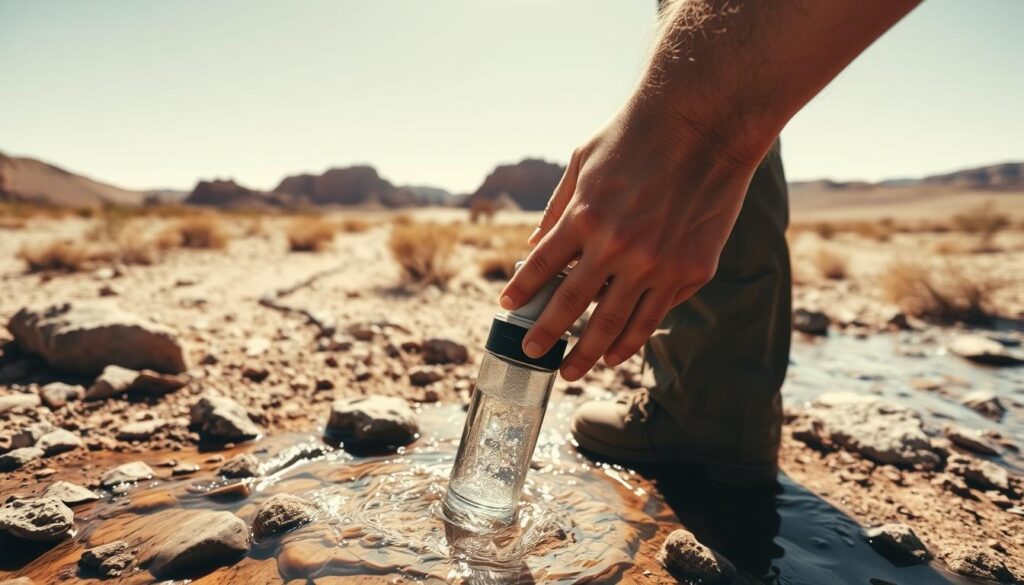
Today’s water filters are advanced, unlike the old days of just boiling water. Now, we have:
- Microfiltration systems that remove bacteria and protozoa
- UV purification pens that zap pathogens into submission
- Chemical treatments that work like legislative amendments – slow but effective
Setting up water caches is like planning a campaign. If you place them wrong, your trip can fail.
Legal rules for collecting water are complex. You can collect rainwater in some places but not others. The rules change based on:
- National park vs. state park vs. BLM land
- Designated wilderness areas
- Private property boundaries
Following these tips can save your trip and avoid legal trouble. Always check the latest rules before planning your water plan. Breaking these rules can lead to serious penalties.
Water sources in California’s different landscapes behave differently. Just like how Peru’s north is warm and its south is cold, your desert hiking tips must change. Coastal ranges, Sierra foothills, and true deserts each have their own water challenges.
Water management is about survival and caring for the environment. Take only what you need and leave enough for others. Always follow Leave No Trace principles. Your water plan should be as clean as your record, if that were possible.
Desert‑Specific Tips (Anza‑Borrego, Death Valley, Joshua Tree)
California’s deserts are not just empty lands. They are three unique places with their own ways. Anza-Borrego is calm, Death Valley is extreme, and Joshua Tree is different from all.
Each desert needs its own plan. You must know how to survive in each one.
Anza-Borrego is a bit friendly. It has water and not too hot temperatures. It’s a good place to start exploring the desert.
Here are some tips for Anza-Borrego:
- Follow desert washes—they’re nature’s highway system and occasional water source
- Time hikes for early mornings when the desert hasn’t yet decided to hate you
- Watch for ocotillo plants—their red flowers signal water might be nearby
Death Valley: The Uncompromising Extremist
Death Valley wants you to fail. It’s very hot and unforgiving. It’s the toughest desert to explore.
Here’s what you need to do:
- Navigate by GPS—landmarks disappear in heat haze mirages
- Carry double your water estimate—the valley drinks hydration like politicians drink donor money
- Travel only between November and March unless you’re testing emergency services response times
Joshua Tree: The Quirky Independent
Joshua Tree changes fast. The rocks create different weather areas. It can get very hot or cool quickly.
Here’s how to survive:
- Use rock formations as natural cooling stations—their shade provides instant relief
- Watch for sudden wind shifts—canyon breezes can turn from friend to foe in minutes
- Map your route using both elevation and rock coverage—the park’s topography is deliberately confusing
| Desert Area | Best Visiting Months | Water Carry Minimum | Navigation Complexity |
|---|---|---|---|
| Anza-Borrego | Oct-Apr | 1 gallon/person/day | Moderate |
| Death Valley | Nov-Mar | 2 gallons/person/day | High |
| Joshua Tree | Oct-May | 1.5 gallons/person/day | Variable |
Pro tip: Your heat acclimation strategy should match the desert. Death Valley is strict, Anza-Borrego is negotiable, and Joshua Tree is always changing.
Remember, these deserts have lasted for thousands of years without us. They’ll keep going after we leave. The question is, will we?
Sample Heat‑Ready Gear List
Think of your heat-ready gear as a political cabinet. Each piece must have its own special role, not just fill a generic spot. In Peru, we learned that different beaches need different gear. Your hydration plan is just as important as a campaign’s budget.
The Core Four are your essential team members. They keep heat from becoming a problem:
- Modular hydration system: A mix of reservoirs and bottles for constant water intake
- Electrolyte strategy: Tablets or powders that keep your cells balanced
- UPF 50+ clothing: Your first defense against the sun
- Multi-tool: A handy tool for fixing unexpected issues
Your hydration plan needs its own budget. I suggest a two-tier system. Use a main reservoir for constant drinking and secondary bottles with electrolyte mixes for extra replenishment.
Here are some specialized roles for your gear:
| Category | Essential Items | Pro Tip |
|---|---|---|
| Temperature Management | Evaporative cooling towel, ventilated hat | Wet the towel during water stops—works like political momentum |
| Navigation & Safety | GPS device, emergency beacon, shaded sunglasses | Treat navigation like polling data—check constantly |
| Electrolyte Solutions | Salt tablets, magnesium supplements | Balance electrolytes like balancing a budget—deficits cause crises |
Footwear is your ground game. Choose breathable shoes and consider gaiters to keep sand out.
Emergency kits are like opposition research files. Hope you never need them, but make sure they’re complete. Include chemical ice packs, extra water purification tablets, and a signal mirror. It’s about strategic weight, where every ounce has a purpose.
Right gear makes extreme heat just uncomfortable, not dangerous. Your hydration plan is key when it’s hot.
Post‑Adventure Cooling & Recovery
Your body after being in the heat is like fresh produce left in the sun. It needs careful cooling to avoid damage. Instead of sudden ice baths, aim for a slow temperature drop.
Drinking water alone isn’t enough to rehydrate. You need to balance your electrolytes like a politician balances a bill. Sodium, potassium, and magnesium must all get their due.
When you eat after exercising, timing is key. Some nutrients fix heat damage better than others. Think of antioxidants as peacekeepers in your body. Your recovery meal should be as well-planned as a policy.
This recovery phase is critical. It decides if you’ll start your next adventure wiser or repeat old mistakes. Plan your electrolyte strategy like a seasoned politician, not in a rush.