

Imagine Tony Stark making gear for Thor’s camping trip. That’s what you need for California’s wild terrain. The state’s weather changes as fast as Marvel’s multiverse.
Death Valley gets up to 120°F, so you need gear that can handle it. But in Sierra Nevada, you’ll need insulation that’s like Wakandan tech. Your sleeping bag in Joshua Tree won’t survive a surprise Tahoe blizzard – this isn’t amateur hour.
In the Bay Area, innovation meets Big Sur’s earthiness. Modern adventurers need climate-specific tools. These tools should be efficient like Silicon Valley and sustainable like redwood huggers.
And if you’re ever caught in your tent during a sudden downpour or just waiting out the weather, you can always scout the latest odds or pass the time with Florida sportsbooks for a bit of fun—even from the wilds of California.
Why use generic gear when you can have something like NASA engineering and Leave No Trace philosophy? Our curated selection meets these challenges without harming the environment. We have solar-powered coolers and tents as tough as Thanos’ armor.
Because your desert-to-mountain transition kit deserves more thought than your Netflix queue.
Must-Have Sleeping Solutions
Ever tried sleeping through a coastal fog bank only to wake up shivering in a Sierra Nevada frost pocket? California’s 847 microclimates don’t care about your beauty sleep. Your bag’s temperature rating isn’t a suggestion here—it’s a survival contract. Let’s talk systems, not just sacks.
When Ounces Equal Smiles
Backpacking sleeping bags face a Goldilocks dilemma: too heavy and you’ll curse every switchback, too thin and you’ll freeze like a Hollywood actor’s Botoxed forehead. The magic number? 30°F bags dominate California’s 3-season sweet spot—perfect for Mendocino spring nights but dangerously optimistic for February in Tahoe.
The synthetic vs down debate mirrors LA’s electric car vs gas guzzler culture. Synthetics (REI’s Trailbreak 30) handle damp coastal air like a Venice Beach barista handles oat milk orders. Down (Nemo’s Disco 15) packs lighter than a startup CEO’s carry-on, but turns useless when wet—a dealbreaker for fog-drenched Redwood hikes.
REI Trailbreak 30 vs Nemo Disco: Microclimate Showdown
| Feature | REI Trailbreak 30 | Nemo Disco 15 |
|---|---|---|
| Temp Rating | 30°F (EN tested) | 15°F (limit rating) |
| Weight | 2 lbs 11 oz | 2 lbs 3 oz |
| Fill Type | Water-resistant synthetic | 650-fill down |
| Best For | Coastal trails, damp conditions | High Sierra dry winters |
| Price | $159 | $280 |
Pro tip: Your sleeping pad’s R-value matters more than your Tinder bio. Pair that 30° bag with a Big Agnes Q-Core SLX pad (R-4.5) for Joshua Tree winters, or go ultralight with their Insulated Air Core (R-4.9) when Shasta’s slopes demand snow camping cred.
Tents: Types for Every Environment
California’s camping scene has two extremes: Instagrammable glamping palaces and ninja stealth bivvies. Let’s look at tents that really work. Whether you’re camping in Malibu or hiking in the Sierra Nevada.
Car Camping Tents: Your Basecamp Castle
The REI Base Camp 4 is super weatherproof. It’s like Fort Knox of polyester. In Joshua Tree’s rain, its rainfly is like waterproof blockchain.
Pro tip: Stake it right to avoid chasing tents.
REI Base Camp 4 Weatherproofing
State park rangers love watching city folks learn:
- Zippers matter more than TikTok views
- Ventilation isn’t optional when condensation turns tents into terrariums
- “Four-person” capacity = two humans plus their dignity
Backpacking Tents: Less Weight, More Freedom
The Featherstone Peridot Ultralight is light but strong. It handles Sierra winds like a Silicon Valley CEO handles criticism. Its poles flex without snapping.
Featherstone Peridot Ultralight
This tent uses advanced fabrics. It’s like Patagonia’s recycled materials but better. The design balances airflow and coverage.
| Feature | Car Camping Tents | Backpacking Tents |
|---|---|---|
| Weight | 12-20 lbs (your CrossFit warmup) | 2-4 lbs (ghost of camping past) |
| Setup Time | 15 mins (with marital arguments) | 90 seconds (or your money back) |
| Eco-Cred | Recycled fabrics gaining traction | Dyneema composite = Tesla of textiles |
Your tent choice says a lot about you. Want to show off eco-credentials? Patagonia’s recycled shelters are great. Or, choose practical tents without influencer discounts.
Cooking Gear and Camp Stoves
California’s culinary scene is not just about fancy restaurants. It also thrives in campsites. Choosing the right stove is like deciding between a food truck and a fancy buffet. One needs efficiency, the other loves to indulge.
Backpacking Stoves
In NorCal’s backcountry, weight is key. Backpacking stoves are like the “Teslas of trail cuisine.” They are small, high-tech, and popular among outdoor enthusiasts.
Jetboil MiniMo Fuel Efficiency
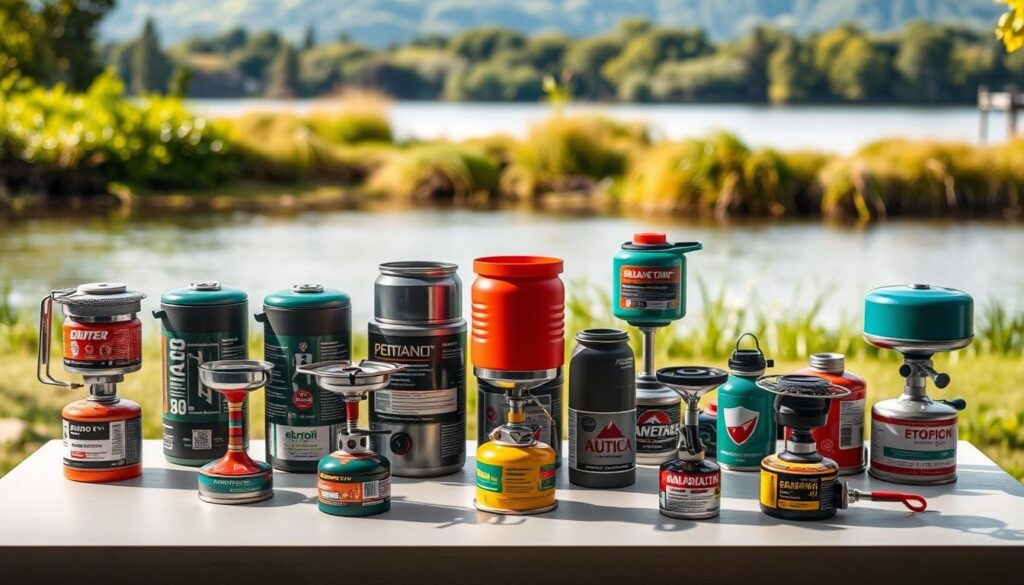
The Jetboil MiniMo is more than a stove. It’s a 17-ounce revolution against cold coffee and lukewarm ramen. Here’s what field tests show:
- Boils 16oz water in 1m 45s (faster than your Uber Eats driver)
- 1 fuel canister = 24 meals (or 12 if you’re making avocado toast)
- Wind-resistant design survives Sierra gusts better than your tent fly
| Trip Duration | NorCal Fuel Needs | SoCal Fuel Needs |
|---|---|---|
| 3 Days | 1.5 canisters | 1 canister |
| 7 Days | 3 canisters | 2 canisters |
Car Camping Stoves
For those who prefer to camp in style, Coleman’s butane stoves are the Cheesecake Factory of camp kitchens. They’re for those who think “roughing it” means using paper plates.
Coleman Butane Reliability
The Coleman Fold-N-Go stove is a powerhouse. It sustains full-family pancake marathons without breaking a sweat. Here are some key stats:
- 30,000 BTUs (enough to deep-fry a turkey… not that we’d recommend it)
- WindBlock™ system laughs at coastal breezes
- 12-year warranty (longer than most California marriages)
Pro tip: One 16.4oz butane canister lasts 2 hours at max flame. It’s perfect for Joshua Tree sunsets and dramatic pasta boils.
Lightweight vs. Comfort Choices
In California, the debate is always on. It’s about surfboards versus snowboards, and In-N-Out versus avocado toast. Camping gear is no different. Here, every ounce matters, and comfort is a luxury. Whether you’re hiking the PCT or camping by the coast, your pack’s weight shows who you are.
The Backpacker’s Dilemma
Let’s look at the numbers. A Klymit Static V sleeping pad weighs 18 oz and fits your back snugly. Big Agnes’ Q-Core Deluxe is 26 oz and offers comfort. That 8 oz difference is like:
- 1.5 Clif Bars (for emergencies)
- 3.2 fl oz of bourbon (for campfire stories)
- Your pride when others have big air mattresses
Ounces Saved vs Luxury Lost
Ultralight fans say, “Every gram is a betrayal!”. But car campers bring big gear, like margarita bars. This shows a big difference:
| Backpackers | Car Campers | |
|---|---|---|
| Sleep Setup | Foam pad + guilt | Memory foam + string lights |
| Dinnerware | Spork (multi-functional) | Cast iron skillet (multi-generational) |
| Power Source | Solar charger anxiety | Bluetooth speaker dominance |
The big question is, will you miss your light pack when someone makes pizza nearby? California’s varied landscapes mean you must choose. Your gear should match your adventure goals.
Essential Clothing and Footwear
Dressing for California’s outdoors is like curating a Spotify playlist. You need windbreakers as the bass, puffers as the vocals, and moisture-wicking layers as the hidden gems. Forget the sea of tech bro puffers in Tahoe village. We’re creating a wardrobe that works from Death Valley’s heat to Sierra Nevada’s cold.
Layering Systems
California’s weather changes fast, so we need a three-part plan:
- Base Layer Symphony: Smartwool’s Merino 150 crew is like Taylor Swift – it keeps you cool and fresh.
- Mid-Layer Crescendo: Coalatree’s recycled polyester hoodie is like a picnic blanket – it’s practical and comfy.
- Shell Finale: Outdoor Research Helium rain jacket is like a Clif Bar – small but mighty against the rain.
Patagonia Nano Puff vs Arc’teryx Beta
These puffer jackets spark debates like California’s high-speed rail. Let’s look at the facts:
| Patagonia Nano Puff | Arc’teryx Beta | |
|---|---|---|
| Weight | 12.3 oz (lighter than a Nalgene) | 14.1 oz (stil trail-friendly) |
| Eco-Cred | 100% recycled body fabric | 30% recycled materials |
| Best For | Coastal mornings & urban apres-hike | Alpine surprises & snowplay |
Wear either jacket with EWG-verified sunscreen for full protection. Remember, the real test is how many miles it lasts without needing extra care.
Portable Power and Lighting
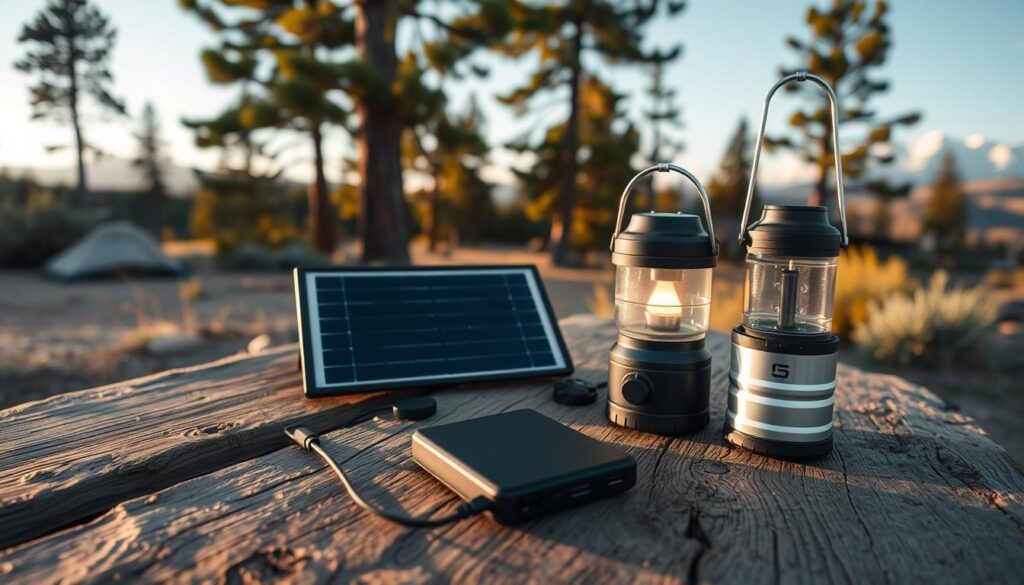
In California, your phone’s battery shouldn’t be as unreliable as your ex. You need enough power to take stunning sunset photos at Big Sur and call for help when lost. Let’s look at the tech that keeps you connected and safe.
Solar Chargers: Beyond Influencer Vanity Projects
Many “solar-powered” campers struggle to charge even a Tamagotchi. To capture Yosemite’s Firefall in your 4K video, you need at least 15W. The Goal Zero Sherpa 100AC can power a DSLR and satellite phone at once. It’s great for documenting the environment.
The BioLite’s SolarPanel 10+ is smaller but just as useful. It folds up like origami, making it easy to carry.
Goal Zero vs BioLite: The Charger Thunderdome
| Feature | Goal Zero | BioLite |
|---|---|---|
| Weight | 2.4 lbs | 1.1 lbs |
| Phone Charges | 7-10 | 4-6 |
| Weatherproof | IP67 | IP65 |
| Cool Factor | Marvel movie prop | Startup demo day winner |
Death Valley regulars suggest making a DIY solar battery from old laptop cells. Just be ready for your Tesla-driving camp neighbors to ask to use it.
Safety Lighting: When LEDs Become Life Support
Forget about those fancy LED strip lights. They’re not much help in an emergency. The Black Diamond StormLine 500 is a game-changer. It’s a 500-lumen headlamp that can guide rescue choppers through fog.
The red light mode also helps you keep your night vision. It’s better than any “dark sky” lecture from your friend.
Why StormLine Outshines the Competition
- Waterproof to 1 meter (tested in NorCal downpours)
- Lock mode prevents accidental activation in packs
- Burns brighter than Hollywood’s last superhero franchise
Your lighting should help you find bear canisters, not just create “ambiance.” Unless you’re trying to rough it like a Hollywood star.
Top Accessories: Chairs, Tables, Coolers
Choosing camp furniture is like picking a character for a wilderness show. Do you want the tough survivalist, the social media star, or the chair that floats? In California, campers face this choice every day. They pick between luxury and simplicity.
Luxury vs Practicality
The REI Campwell Chair is like a Swiss Army knife for sitting. It’s comfy but cheaper than fancy brands. But sometimes, you crave the Jason Momoa of chairs – strong and stylish, with room for drinks.
Here are three tips for choosing accessories:
- Weight-to-comfort ratio: Choose something soft but not too heavy
- Setup speed: Pick something easy to set up
- Multi-use magic: Opt for items that serve more than one purpose
Yeti vs RTIC Cooler Wars
The cooler debate is like California’s endless discussions. It’s like comparing In-N-Out to Shake Shack or Marvel to DC. Let’s look at the cooler showdown:
| Feature | Yeti Tundra 45 | RTIC 52 Quart |
|---|---|---|
| Price | $374 (Organic kale smoothie money) | $249 (Decent tacos-for-a-month fund) |
| Ice Retention | 7 days (Marathon Netflix binge) | 5 days (Long weekend warrior) |
| Weight | 23 lbs (Bulky but sturdy) | 19 lbs (Lightweight contender) |
| Street Cred | Patagonia vest energy | Hydroflask cult status |
Pro tip: Sports Basement offers a rental program. You can try both coolers for less than Yosemite’s firewood. This way, you avoid buyer’s remorse and enjoy your trip.
All-Weather Packing Guide
Packing for California’s weather extremes is like a chess game. You need to think ahead and be ready for anything. It’s not just about choosing clothes; it’s about being prepared for sudden changes in the weather.
Desert vs Mountain Kits
Planning for San Francisco’s weather is like following a financial tip from someone who’s never made money. You need a solid plan, not just random stuff in a bag. Let’s look at two big weather challenges in California:
Mojave Summer vs Sierra Winter
| Death Valley (July) | Mammoth Lakes (Jan) | |
|---|---|---|
| Clothing | UPF 50+ hoodie, cooling neck gaiter | Merino wool base layers, down jacket |
| Hydration | 3L water bladder + electrolyte tablets | Insulated bottle + thermos |
| Shelter | Sun-reflective tent with mesh ventilation | 4-season tent with snow skirts |
| Wildcard | Portable shade canopy | Avalanche beacon |
Using outdoor gear rental California services is smart. It saves you money and space. Why buy something you’ll only use once?
Fire Season Non-Negotiables
- N95 masks (the unofficial state accessory August-October)
- Air quality monitor that syncs to your phone
- Fire-resistant tent (yes, that’s a thing now)
- Emergency satellite communicator
Remember, all-weather gear is about flexibility, not one magic item. Pack smart to keep your Instagram followers happy.
Gear Rental and Demo Locations
California’s camping scene is like a dating app. Swipe right for instant fun, left for buyer’s remorse. Why buy gear when you can try it out first? Let’s explore the state’s rental scene through a millennial’s eyes.
Northern California Outfitters
The Bay Area has gear for casual flings or long-term leases. Here, your backpacking Tinder matches come to life:
Sports Basement SF vs REI Berkeley
Sports Basement is like a quirky indie romance. Think 500 Days of Summer with carabiners. They offer curated kits for Coastal Trail adventures. REI Berkeley, on the other hand, is like a dating algorithm. They offer efficient, predictable rentals and partner with other shops for a wide range.
| Sports Basement SF | REI Berkeley | |
|---|---|---|
| Rental Type | Boutique packages | Big-box inventory |
| Price Range | $15-$40/day | $20-$60/day |
| Specialty | Urban-to-trail transitions | Multi-state compatibility |
| Vibe | Local craft beer enthusiast | Corporate retreat planner |
Pro Tip: During Tahoe’s drought years, demo skis rent at 60% off. It’s a great deal during a snow famine.
Southern California Rentals
Down south, rentals come with sunscreen and Instagram backdrop guarantees. The desert and ocean demand special gear and rental shops.
Roadsurfer LA vs KitLender SD
Roadsurfer LA is for the Van Life crowd. They offer rooftop tents for influencers. KitLender San Diego focuses on moisture-wicking gear for Death Valley adventures.
| Roadsurfer LA | KitLender SD | |
|---|---|---|
| Rental Type | Adventure vehicles | Technical apparel |
| Price Range | $75-$200/day | $25-$80/day |
| Specialty | Instagram-ready setups | Climate-specific layering |
| Vibe | Influencer safari | Desert lab technician |
Both regions show California’s rental market is all about identity. Whether you’re trying gear or avoiding storage, these shops make outdoor adventures temporary lifestyles.
Maintenance and Care
Your gear isn’t a Netflix drama – neglect won’t make it more interesting. Treat it like a high-maintenance houseplant that doubles as a financial investment. Forget to clean your tent after a Death Valley dust storm? Congratulations, you’ve just invented modern art. But here’s the real truth: proper gear maintenance separates weekend warriors from backcountry Einsteins.
When Hippies Meet Hardware
The modern camper’s dilemma: how to scrub burnt marshmallow off titanium without poisoning the planet. Enter eco-friendly outdoor gear care – where your cleaning kit looks more like a Whole Foods shopping list:
Biodegradable Solutions
- Dr. Bronner’s soap: Does triple duty as body wash, toothpaste, and tent cleaner (not recommended)
- White vinegar baking soda bombs: The DIY answer to stubborn stove grease
- Seventh Generation enzyme cleaners: For when your sleeping bag smells like a college dorm
Pro tip: That $400 Patagonia shell? Their repair policy works better if you don’t let mold turn it into abstract expressionism. “Patagucci” warranties don’t cover “creative biodegradation.”
Storage: The Final Frontier
Storing camping gear is chess, not checkers. Coastal campers battle mold spores that party harder than Burning Man attendees. Desert dwellers? They’re fighting dust bunnies armed with micro-abrasives.
Mold Prevention Coastal vs Desert
| Enemy | Coastal Strategy | Desert Tactic |
|---|---|---|
| Humidity | Cedar chips > silica gel | Vacuum-seal everything |
| Temperature | Climate-controlled storage | Garage with airflow |
| Cleaning Cycle | Monthly air-outs | Pre-storage deep clean |
Remember: A mildewed tent smells worse than a Yosemite pit toilet in August. Store sleeping bags loose like they’re practicing yoga, not stuffed like Thanksgiving turkeys. And that cast iron skillet? Season it like you’re preparing for The Bear season 3 – your campfire pancakes depend on it.
Conclusion
Choosing the right camping gear for California adventures is like picking the perfect craft beer. You might need a warm sleeping bag for Sierra nights or a Yeti cooler for Joshua Tree afternoons. Our vast public lands offer everything from coastal fog to Mojave sun.
When you combine Therm-a-Rest sleeping pads with Coleman stoves at 6,000 feet, magic happens. REI’s backpacking tents become cozy homes, and solar chargers keep your Instagram alive. This guide to gear essentials shows that comfort is key.
California campers face big choices: ultralight gear for Lost Coast treks or car-camping luxury near Big Sur. Your decision balances a $20 foam pad and a $500 rooftop tent – with room for craft beer.
Your perfect gear list will grow beyond Highway 101 traffic jams. But unlike stuck traffic, every moment of rest and cooking is part of California’s outdoor romance. It’s where preparation meets nature under coastal redwoods and desert stars.