

Big Bend Construction changed how travelers should plan a visit to Big Bend National Park, but it did not make a careful, low-impact trip impossible. As of September 6, 2026, the practical move is to treat access, food, visitor services, and backcountry routes as things to verify before committing to a plan.
The park is large, remote, and sensitive to both road damage and visitor pressure. A sustainable visit here starts before you leave home: reduce unnecessary driving, carry what you need, respect closures, and avoid pushing into closed or fragile areas just because a map app shows a road.
Big Bend Construction Status And Access
The most time-sensitive issue is the border infrastructure work inside the park. U.S. Customs and Border Protection temporarily paused construction activity in Big Bend National Park as of August 17, 2026, and the federal government extended the pause until mid-September 2026, according to the Associated Press report. That pause matters for planning, but it should not be treated as a promise that every road or service will be open.
What Big Bend Construction Changed
Because Big Bend Construction work and related closure orders have shifted access, visitors should build plans around official park alerts rather than old trip reports. The National Park Service lists a closure order tied to a Department of Homeland Security construction project affecting vehicle access on some roads, including Glenn Springs Road south of Pine Canyon to River Road, along with seasonal backcountry roads; it also notes Old Ore Road and Black Gap Road closures due to unsafe conditions from past flash flooding on the park’s Alerts and Conditions page.
That distinction helps. Some disruptions are tied to construction activity, while others are tied to flooding or seasonal conditions. For travelers, the action is the same: check conditions close to departure, then again before entering a remote road. If your plan depends on one rough road, prepare a second plan that stays on open paved or confirmed-access routes.
Use Flexible Access Plans
A flexible plan is not a weak plan in Big Bend. It is the more responsible option. If a road is closed, do not try to route around gates or barriers. Detours across desert soils can damage plants, disturb wildlife habitat, and leave tracks that last far longer than a vacation. A better approach is to group your day by open areas, shorten driving loops, and accept that some backcountry routes may not fit the trip.
For travelers comparing access notes before booking lodging or campsites, this related local planning piece on Big Bend access after the construction pause can help frame the questions to ask before you finalize dates.
Plan Routes With Fewer Miles
Big Bend rewards patience, but the distances can tempt visitors into long daily drives. Sustainable planning means choosing fewer zones per day rather than trying to cross the park repeatedly. This reduces fuel use, lowers stress, and gives you more room to adjust if a closure changes the plan.
Drive Less, Check More
The park’s green travel advice in the research points toward practical choices: select a more fuel-efficient vehicle if you have that option, use solar power in RV setups where practical, and plan routes to minimize driving. Those ideas fit Big Bend especially well because services are spread out and road changes can add miles quickly.
If you are renting a vehicle, match the vehicle to confirmed open roads, not to a wish list. A high-clearance vehicle is not useful if the road you wanted is closed. A smaller, efficient vehicle may be a better fit for a paved-road visit focused on viewpoints, open trails, and visitor services that are operating.
Prepare For Remote Driving
Remote desert driving calls for a conservative mindset. Bring enough water, food, sun protection, and basic supplies so a closed road does not become a rushed decision. Do not count on steady services across the park. Cell coverage can be limited in remote desert areas, so save key information before entering the park and write down alternatives.
For those planning longer journeys before or after Big Bend, consider checking out the road-planning guidance available at Drive Sat Mile High. It provides helpful insights on vehicle preparation and setting realistic daily travel limits.
Services, Food, And Visitor Center Limits
Visitor services were limited during summer 2026. Research notes show that Persimmon Gap, Rio Grande Village, and Castolon visitor centers were closed for summer, and Cottonwood Campground was scheduled to reopen on November 1, 2026. The main lodge restaurant was closed, with limited food truck service listed from 7 a.m. to 3 p.m. and closed from 10 a.m. to 11 a.m.
Pack Around Service Gaps
Those service limits should shape how you pack. Bring enough food for the day, refill water whenever a reliable source is available, and do not assume you can solve every need inside the park. This is both practical and lower impact. A prepared traveler is less likely to make extra drives, buy single-use emergency items, or pressure staff at facilities that are already operating with limits.
Reusable bottles, refillable containers, and simple meal planning reduce waste. Big Bend’s desert environment is not a place to leave packaging, fruit peels, or food scraps. Pack out what you bring in, even if it seems small.
Book With Closure Dates In Mind
If Cottonwood Campground is central to your plan, the scheduled November 1, 2026 reopening date matters. Do not build an earlier plan around that campground unless the park confirms a change. The cancelled Chisos Mountains Lodge overhaul also matters: research notes say the planned two-year renovation, originally requested to begin May 1, 2026, was cancelled. That cancellation avoided a major closure package, but it does not remove the need to confirm services before arrival.
Low-Impact Desert Habits
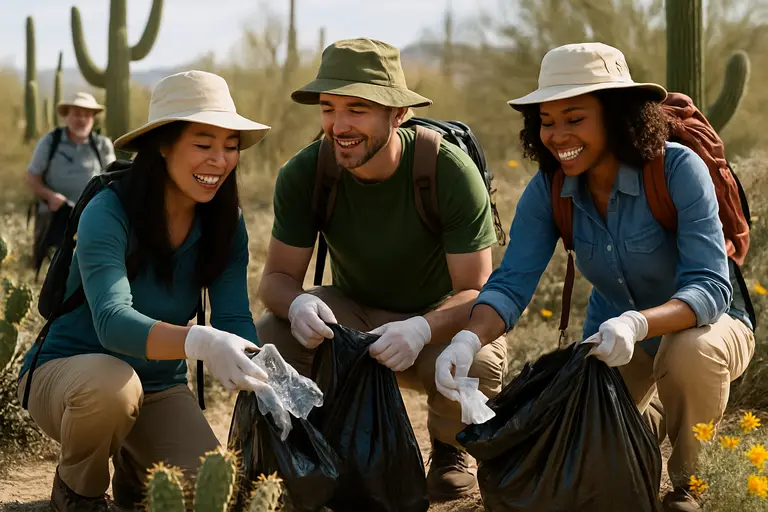
Sustainability in Big Bend is not abstract. It shows up in where you step, where you camp, and how you handle waste. Desert soils and water sources are sensitive, and closures exist for access, safety, and protection reasons.
Respect Wildlife And Cave Closures
Seasonal peregrine falcon nesting closures run from February 1 through May 31 each year in areas noted in the research, including portions of the East Rim Trail and campsites ER-4 through ER-9. All caves in the park are closed to recreational users under the current compendium, with research access only by permit. These limits are not optional side notes; they protect fragile habitats and species of concern.
Camp And Hike With Less Trace
Use designated trails and durable surfaces. Camp well away from water sources and sensitive areas, following the research note of at least 100 yards. Pack out all waste, including toilet paper. Do not build campfires; use a portable stove. These steps are simple, but they are the difference between visiting a desert and slowly wearing it down.
- Check official park alerts shortly before leaving home and again before remote driving.
- Plan one main area per day to reduce mileage and give closures room to change your schedule.
- Carry reusable water bottles, meals, and waste bags so limited services do not create extra trash.
- Stay off closed roads, closed trails, and all recreational cave areas.
- Choose open, confirmed routes instead of relying on older maps or past trip reports.
Big Bend Construction Trip Checkpoints
Treat Big Bend Construction as a planning condition, not the whole story of the park. The border work pause, road closures, flood-damaged backcountry roads, summer facility limits, and seasonal habitat protections all affect different parts of a visit. A good trip plan separates those issues, checks each one, and avoids forcing a route that conditions no longer support.
Before booking, confirm your lodging or campground, identify which visitor centers or food options you expect to use, and choose alternate open areas. Before driving into the park, recheck alerts and make sure your vehicle, water, and food match the day you are actually taking, not the day you first imagined.
- Best planning habit: verify access from official park updates, not screenshots or old forum advice.
- Best sustainability habit: drive fewer miles inside the park and pack out every item you bring.
- Best comfort habit: carry food and water as if services may be limited or farther away than planned.
- Best safety habit: turn around at closures and avoid damaged backcountry roads.
Big Bend is still a place for quiet desert views, long horizons, and careful travel. The responsible choice in 2026 is to arrive informed, stay flexible, and let the park’s access limits guide a lighter footprint.