

Let’s be honest – most of us plan our adventures with little research. We get excited but don’t do our homework.
Outdoor activities can quickly show your physical limits. It’s like a bad first date, but worse.
At Custom Fit SF, we start with biological reconnaissance. It’s not just checking your heart rate. It’s deep self-awareness.
We use DEXA scans to see your body composition clearly. VO2 Max tests show if you’re built for long runs or just pretending.
We also do RMR analysis, 3D gait assessment, and VALD force plate diagnostics. Why guess when you can know for sure?
This method gives you top-level insights for better training and recovery. Nobody wants to be a scary trail story.
Hydration Planning by Duration/Heat
Most people don’t really think about their outdoor hydration plan. It’s like reading software license agreements. We know we should, but we’d prefer to just agree and hope for the best.
Chase Tucker, who has trained many backpackers, says dehydration is a bigger threat than mountain lions. At least mountain lions warn you.
Here’s a simple rule: at 70°F with moderate activity, drink 16-24 ounces per hour. It’s like a subscription to staying hydrated.
At 85°F, your outdoor hydration plan needs to get stronger fast. Add 8-10 ounces hourly, as your sweat glands compete.
Thirst is like your body’s check engine light. By the time you notice it, you’re already dehydrated. Sports medicine research shows dehydration affects performance before you feel thirsty.
Your urine color tells the truth. If it’s amber ale-like, you’re dehydrated. Not the Instagram-worthy hike you thought it was.
The California sun is tough on your body’s water content. Your outdoor hydration plan should be as detailed as your Netflix queue. Dehydration doesn’t have a “are you sure?” prompt like bad movies do.
Fueling by Sport: surf, hike, trail run, MTB, ski/snow—grams per hour targets
Think of outdoor sports nutrition like choosing the right fuel for different vehicles. You wouldn’t put rocket fuel in a Prius or regular gas in a Ferrari. Each activity demands its own nutritional strategy.
Surfing is like interval training with aquatic surprises. You need 30-60g carbs/hour to keep your energy up between waves. This is what makes the difference between catching the perfect wave and just floating.
Trail running needs serious nutrition. Your body burns 60-90g carbs/hour on tough trails. If you don’t fuel up enough, you’ll hit the wall hard.
Mountain biking is a mix of endurance and technical challenge. Aim for 45-75g carbs/hour, depending on how tough the trail is. More technical trails require more fuel.
Winter sports like skiing and snowboarding burn 50-80g carbs/hour. Cold weather makes your body work harder. You’re fighting both gravity and the cold.
| Sport | Intensity Level | Carbs/Hour Target | Fuel Type |
|---|---|---|---|
| Surfing | High-intensity intervals | 30-60g | Fast-acting gels/chews |
| Trail Running | Sustained high effort | 60-90g | Mix of fast/slow carbs |
| Mountain Biking | Variable intensity | 45-75g | Liquid nutrition + solids |
| Skiing/Snowboarding | High endurance | 50-80g | Thermal-stable foods |
These numbers aren’t random. They come from Custom Fit SF’s evidence-based coaching strategies. Personalization matters more than perfection.
The right trail nutrition strategy can make all the difference. Choose your fuel wisely and conquer your next adventure.
Electrolytes & Caffeine: when and how much
Electrolytes are key players behind the scenes, helping glucose do its job. Sodium keeps fluid balance in check, while potassium ensures muscle function. Magnesium prevents muscle cramps, acting as IT support.
In California, people lose a lot of sodium through sweat. The right amount is 500-700mg sodium per liter of sweat. This electrolyte balance is vital for performance and avoiding health issues.
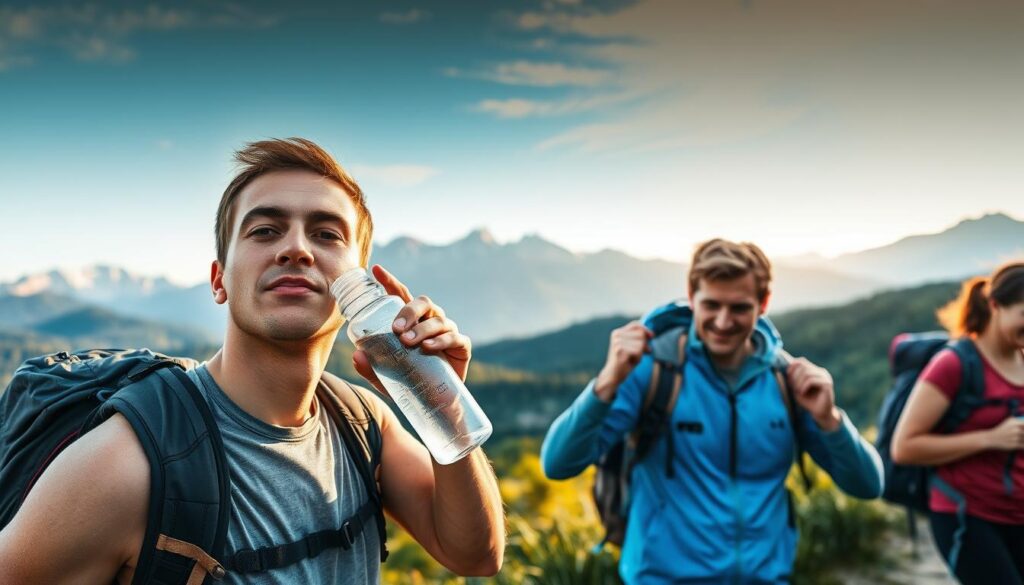
Caffeine is a natural boost that’s reliable. It’s best to take 3-6mg per kilogram of body weight 45-60 minutes before starting. This way, you get a boost without a crash later.
Save caffeine for when you need it most, like halfway through. It’s like a reset for your brain, without losing all your progress.
ROUVY’s data shows that even in low-intensity rides, keeping electrolyte balance helps recover faster. Caffeine alone is like a sports car without brakes—it’s exciting but not safe.
| Substance | When to Use | Optimal Amount | Pro Tip |
|---|---|---|---|
| Sodium | During activity >60min | 500-700mg/L sweat | Taste test your sweat (salty = need more) |
| Potassium | Pre/post activity | 300-500mg with meals | Bananas are good, potatoes are better |
| Magnesium | Evening before/after | 200-400mg daily | Epsom salt baths beat supplements |
| Caffeine | 45min pre or mid-activity | 3-6mg/kg body weight | Save for motivation drops |
Electrolytes work together as a team. Sodium is the leader, but all electrolytes are important. The table above gives you the key information. Now, go perform at your best.
Altitude & Temperature Adjustments
Ever felt like your body at high elevation resembles a smartphone with 2% battery? That’s oxygen deprivation working its magic. When you’re above 5,000 feet, your system starts negotiating for better working conditions.
For every 1,000 feet gained, your body demands 10-15% more fluids and 15-20% additional carbs. It’s the biological equivalent of requiring hazard pay for working in thin air.
Now let’s talk thermal dynamics. Direct sunlight increases fluid needs by 20% even at comfortable temperatures. UV radiation doesn’t just bronze your skin – it systematically evaporates your hydration reserves.
Proper sun safety becomes your non-negotiable armor. SPF 30+ reapplied every two hours isn’t vanity – it’s strategic defense against radiation that treats your epidermis like a canvas.
Chase Tucker’s Nepal expeditions taught him that environmental factors always cheat. Your preparation shouldn’t. The mountains don’t care about your optimism – they care about your preparation.
Key adjustments for high-altitude adventures:
- Increase water intake by 1 liter daily above 8,000 feet
- Pack easily digestible carbohydrates (gels, dried fruits)
- Wear moisture-wicking layers with UPF protection
- Schedule acclimatization days every 3,000 feet gained
Remember: altitude adjustment isn’t about fighting nature. It’s about understanding that your body becomes a different machine up there – one that requires premium fuel and superior maintenance.
Your sun safety protocol should be as meticulous as your route planning. Because melanoma makes for terrible souvenir compared to those summit photos.
Injury Prevention: warm‑ups, mobility, downhill protection, surf paddling shoulders
Think of injury prevention as the smart way to enjoy the outdoors. It’s what makes you prepared, not just eager. Your body doesn’t care about your dreams; it cares about how ready you are.
Dynamic warm-ups are not just nice gestures. They’re your body’s way of saying, “Hey, I’m ready for this.” Skipping them is like signing a contract without reading it.
Chase Tucker shows us that most people prepare for the activity they want to do, not what they can actually do. It’s like showing up to a fight with a book when you should have a fist.
Downhill protection needs eccentric strength that many ignore until it’s too late. The downhill part of any adventure is where the real challenge is. Being prepared can make all the difference.
For surfers, surf paddling shoulders need more than just passion. You need to work on your rotator cuff to avoid injuries. This is your insurance against being unable to lift a beer after surfing.
Trekking poles are not just for looks. They help reduce impact by 25-30%. They’re like a cheap insurance for your joints. Weak ankles and hips? They’re not flaws; they’re signs you need to prepare better.
Your injury prevention checklist should include:
- Dynamic mobility drills specific to your activity
- Eccentric strength training for downhill control
- Rotator cuff stabilization for paddle sports
- Trekking pole mastery for impact reduction
The truth is, injury prevention isn’t about avoiding pain. It’s about making sure the pain you feel is from doing something great, not from being unprepared.
Recovery: cooling, compression, sleep, protein timing
Think your workout ends when you stop moving? Your body’s just switching to reconstruction mode. Recovery isn’t passive downtime – it’s where your body secretly upgrades itself.
Let’s talk cooling techniques. That post-activity inflammation isn’t a badge of honor – it’s a biological bill coming due. Smart cooling reduces inflammation better than ignoring problems until they become emergencies.
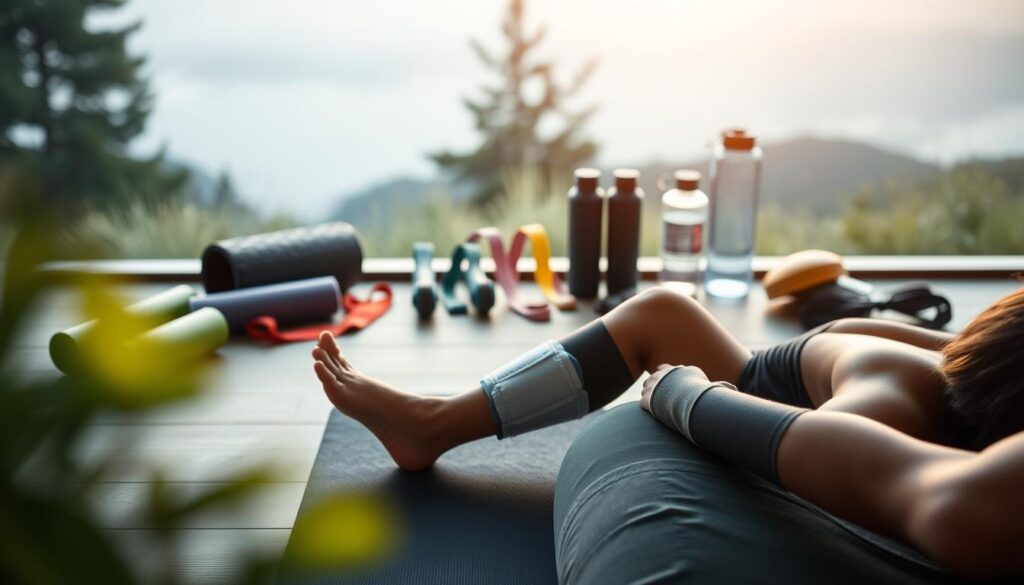
Compression gear works not because it’s fashionable (let’s be honest, it’s not) but because it enhances venous return. Think of it as a dedicated personal assistant for your circulatory system.
Now for sleep – the ultimate performance enhancer. Sleep isn’t restorative; it’s reconstructive. Ninety-five percent of human growth hormone secretion occurs during deep sleep stages. Your body isn’t resting – it’s rebuilding.
Protein timing follows the 30-minute golden window rule. Your muscles are like teenagers – they’ll accept nutrients immediately after activity but become increasingly resistant the longer you wait.
The sophisticated recovery routine combines contrast therapy (hot sauna followed by cold plunge) with targeted nutrition. This creates what I call the “biological reset button.”
ROUVY’s protocols include:
- Infrared sauna sessions (15-20 minutes at 140-160°F)
- Cold plunge immersion (3-5 minutes at 50-55°F)
- Assisted stretching for mobility maintenance
- Recovery rides at 50-60% max heart rate
It’s not recovery – it’s strategic rebuilding. Because tomorrow’s adventure shouldn’t suffer because of today’s effort. Your optimal recovery routine awaits.
Immune & GI Tips for Travel Weekends
Your immune system is like a high-maintenance celebrity when you travel. Your gastrointestinal tract acts like a moody teenager. Stress, new places, and sleep issues weaken your immune system.
Travelers should prepare, not just hope for luck. Start taking zinc three days before you leave. It helps fight off viruses. Also, take probiotics to keep your gut healthy, even when trying new foods.
Your travel immunity toolkit should include:
- Zinc lozenges for throat defense
- High-quality probiotics for gut fortification
- Electrolyte tablets that work harder than a flight attendant
- Pepto-Bismol as your gastrointestinal diplomatic immunity
GI problems often come from bad hand hygiene, unsafe water, or street food. These can be worse than you think.
Staying hydrated is key, as planes and cars dry you out. Electrolyte tablets are essential to keep your body balanced.
Prevention is better than treatment. Keep your immune system and GI tract healthy while traveling. Pack smart, supplement well, and enjoy your adventures without health issues.
Sample 1‑Day Menus and Rehydration Recipes
Let’s get real about what works when you’re burning calories fast. The right meal plan for an adventure day isn’t about being perfect. It’s about fueling your body in a smart way that’s easy to do.
Breakfast should give you energy without making your pancreas work too hard. Aim for a 3:1 carb-to-protein ratio. Here are some good options:
- Oatmeal with banana and almond butter (add whey protein if you’re serious)
- Whole grain toast with eggs and avocado
- Greek yogurt with berries and honey
Lunch should keep you going without making you feel too full. It’s about the right mix of carbs, protein, and fats. This combo keeps your energy up without the crash.
| Activity Level | Protein (g) | Carbs (g) | Meal Example |
|---|---|---|---|
| Light (hiking) | 25-30 | 45-50 | Chicken quinoa bowl with veggies |
| Moderate (trail running) | 30-35 | 55-65 | Turkey wrap with sweet potato |
| High (MTB/surf) | 35-40 | 65-75 | Salmon with brown rice and greens |
Dinner is all about recovery. You need 40-50g of protein to fix muscle damage. Plus, antioxidants help fight off stress.
Rehydration is key, not just water. You need electrolytes and glucose for better absorption. And it should taste good.
My wilderness Gatorade recipe is a mix of science and nature:
- 16oz coconut water (natural electrolytes)
- Juice of 1 lemon or lime (vitamin C and flavor)
- Pinch of sea salt (sodium replacement)
- 1 tbsp maple syrup (glucose for absorption)
This drink is like nature’s sports drink. It’s natural and doesn’t make your urine look weird. Custom Fit SF’s meal plans are easy to follow and based on real science.
Their nutrition guides make complex science simple. If your meal plan is too hard, you’re doing it wrong.
The best nutrition plan is one you can stick to. It should be based on science but easy to follow. After an adventure day, you want results, not a fancy meal.
Monitoring Progress & Red Flags
Think your weekend warrior efforts are paying off? The data might disagree. Custom Fit SF uses DEXA scans, metabolic testing, and bloodwork analysis to measure real progress. Their performance tracking separates hard facts from hopeful guesses.
Track your resting heart rate. An increase of 10+ beats per minute signals systemic stress. Watch your heart rate variability. Values below 20ms mean your nervous system is overwhelmed. Listen to subjective recovery scores. Your body often knows before the numbers do.
Red flags include muscle soreness lasting over 72 hours. It hints at overtraining or under-recovery. Performance plateaus despite more effort are your body’s version of diminishing returns. Sleep disturbances that make insomniacs look well-rested are a classic warning.
Overtraining syndrome feels like a bad relationship. Performance drops even as effort rises. Emotional volatility kicks in. Everything feels harder than it should. The solution isn’t pushing harder. It’s stepping back. Sometimes the most advanced training technique is resting.