

Imagine a reality show where Mother Nature designs the course and hydration comes in paper cups. That’s California adventure racing in a nutshell – equal parts spiritual awakening and Type-2 fun. Our state hosts over 500 endurance events each year. These range from redwood forest odysseys to desert sprints where cacti judge your life choices.
Northern California offers challenges with high elevation gains. The Valencia Trail Race turns oak-studded hills into a 50K meditation on blister prevention. On the other hand, Catalina Island’s Eco Marathon asks runners to dodge bison herds while questioning their life priorities. Who needs Hollywood method acting when you can literally become “person who forgot electrolyte tablets”?
Southern events trade introspection for sunbaked intensity. The Mojave’s Badwater Basin course makes marathoners whisper-scream “why did I pay for this?” to scorpion spectators. Yet every finish line photo is Instagram-filtered into enlightenment. Pro tip: check the California marathons calendar before your next existential crisis decides to go trail running.
What is Adventure Racing?
Imagine a mix of a survival show and an endurance sport. Adventure racing is a blend of scavenger hunt and endurance test. It’s all about “why-didn’t-I-train-harder” moments.
But what makes a hike a race? It’s when you wear a number and pay $200 to explore California’s stunning backcountry.
These outdoor events mix trail running, orienteering, and obstacle courses. They span from 12-hour races to multi-day adventures. Unlike regular road races, they offer unique challenges.
- Bushwhacking through poison oak groves in Big Sur
- Swimming across alpine lakes fed by snowmelt
- Deciphering cryptic checkpoints in Joshua Tree’s rock formations
The culture combines Burning Man’s art and Silicon Valley’s self-tracking. You’ll see CEOs and ultrarunners discussing the best “performance fuel.”
| Event Type | Typical Duration | Key Skills Needed | California Twist |
|---|---|---|---|
| Adventure Race | 6-48 hours | Navigation, teamwork, grit | Coastal cliffs + desert navigation |
| Trail Marathon | 4-8 hours | Pacing, endurance | Redwood forest single-track |
| Obstacle Course | 1-3 hours | Strength, agility | Wine country mud runs |
Modern adventure racing meets our primal need for challenge. It’s for those who want to “unplug” but track their health. The real win? Telling stories at tech meetups or yoga classes.
Notable Adventure Races & Locations: California’s Gauntlet Geography
Northern California’s adventure races are like a Quentin Tarantino film. They mix misty redwood suspense with sudden quad-shredding violence. The Bulldog 50k is a prime example, with a $4,000 prize that feels like hazard pay for your hamstrings.
This race in Malibu Creek State Park offers 5,300 feet of elevation gain. It also comes with a side of existential crisis. The infamous “Rocky Peak” section separates weekend warriors from true trail savants.
In Southern California, the Valencia Trail Race is a different story. The “Panic Hill” climb turns even Spartan Race alumni into whimpering tourists. The desert heat here doesn’t just test endurance – it conducts full psychological audits.
Pro tip: Local trail runners whisper about secret Auburn training routes. These routes make StairMaster sessions look like kindergarten recess.
Let’s break down California’s split personality:
- NorCal Specials: 200-year-old redwood mazes, knee-deep river crossings, and trails slick enough to birth new yoga poses
- SoCal Signatures: Sun-blasted canyon scrambles, rattlesnake obstacle courses, and dust clouds thick enough to qualify as seasonal depression
To the OCR crowd, these trail races laugh at your monkey bars. The real challenge isn’t manufactured obstacles. It’s surviving landscapes that treat humans like temporary guests.
Sacramento’s hidden training grounds near Auburn reveal brutal truth. California dirt doesn’t care about your PRs or Instagram followers.
Here’s the math no one tells you: Valencia’s 3,900-foot elevation gain ÷ July temperatures = instant humility. The NorCal’s Humboldt Redwoods Marathon serves single-track suffering with 97% shade coverage. It’s nature’s cruel joke on sunscreen marketers.
Unique Trail Running Races: Where History Outpaces Your Smartwatch
California’s trail running scene is more than just sweat and dirt. It’s a place where modern runners meet the ghosts of 1905 athletes. These athletes used oak trees and their willpower to navigate.
The Western States 100 is a race that tests your limits with better snacks. It started as a bet between horsemen and runners in 1955. Today, it’s a test of endurance in the Sierra Nevada mountains.
Leaked menus show aid stations offer everything from miso soup to bacon. If you’re spending $392 for a buckle, you might find better value in Truckee’s racing culture.
The Dipsea Race is where tech-savvy runners learn to fear mountain lions. It’s America’s oldest trail race, and it bans headphones. Runners must listen to nature and their own breathing.
Then there are Southern California’s “trail” races, which are often just jogging on pavement. We prefer C2M’s 96% dirt ratio over OC’s “nature” with sidewalk chalk and Starbucks.
2025 California Marathons Calendar (VC Funding Optional)
- Western States 100: June 28 | $410 entry | Includes existential crisis at mile 72
- Dipsea Race: June 8 | $85 | Time bonus for surviving without GPS
- C2M Epic: May 17 | $295 | Actual dirt included at no extra charge
These races show that California’s trail races are more than just competitions. They’re studies of human endurance. Your Strava post might impress, but your blistered feet might tell a different story.
How to Train and Prepare
Training for California’s races is like getting a Netflix recommendation – it’s all about strategy. But, unlike Netflix, you can’t just quit when it gets tough. Start with altitude: Shaver Lake’s races are at 8,000ft, making sea-level lungs feel like accordions. To get ready, try stair-climbing while listening to Eye of the Tiger. Your neighbors might stare, but your fitness will improve.
The SAR Wild Run elevation profiles show the truth: 4,000ft climbs don’t care about your social media. Here’s how to make it through:
- Week 1-4: Replace scrolling with hill repeats (real hills, not Twitter)
- Week 5-8: Start with weighted packs – begin with water bottles, then add more
- Week 9-12: Practice night navigation with just starlight and a bit of fear
California training camps are all about tough love. The Couch to Canyons program focuses on real grit, not fancy smoothies:
- Run most workouts at a pace where you can talk (swear less)
- Eat real food – no weird gels that taste bad
- Recover in cold streams and question your life choices
Now, let’s talk about outdoor safety California realities that aren’t Instagram-friendly:
| Instagram Fantasy | Actual Risk | Survival Move |
|---|---|---|
| Sunset summit selfies | Hypothermia after dark | Carry emergency bivvy + common sense |
| “Wilderness spa” vibes | Dehydration migraines | Drink 1L water/hour + use electrolyte tabs |
| Barefoot running trend | Snakebite roulette | Wear trail shoes with real soles |
Remember, California’s trails reward those who prepare, not just perform. Train wisely, carry a physical map, and save your heroics for race day.
Gear Essentials for Races
Your fancy athleisure look won’t last long in the wild. Adventure racing in California needs gear that can handle tough trails and unexpected dangers. This isn’t Coachella – it’s a survival sport where your gear could save your life.
The Mammoth Bar Trail Runs gear list is all about survival. Here’s what works when you face snakes and extreme heat:
- Hydration pack > designer water bottle: Carry 3L minimum. Bonus points if it survives being used as an emergency pillow on granite
- Trail shoes with actual grip: Look for soles that mimic mountain goat hooves, not yoga studio aesthetics
- Navigation tools: Yes, that $500 GPS watch can call SpaceX if you’re stranded. But can it survive a 15ft drop onto volcanic rock? (Spoiler: Your $5 compass can)
| Gear Type | Hypebeast Pick | Survivalist Choice |
|---|---|---|
| Footwear | Limited-edition colorways | Vibram mega-grip soles |
| Navigation | Touchscreen GPS | Waterproof topo map + compass |
| Emergency Kit | Fashion mini-flask | Mylar blanket + firestarter |
Last year’s outdoor safety California wake-up call showed us what really matters:
- SOL-rated emergency bivvies (not $200 puffer jackets)
- Water filtration tablets (not artisanal electrolyte drops)
- Whistles that could summon park rangers from 2 miles away
Pro tip: If your gear hasn’t been tested by both monsoons and marathons, leave it at home. Adventure races California-style reward preparedness, not Pinterest aesthetics. Remember: When your GPS fails at mile 19, that analog compass becomes your new religion.
Race Day: What to Expect
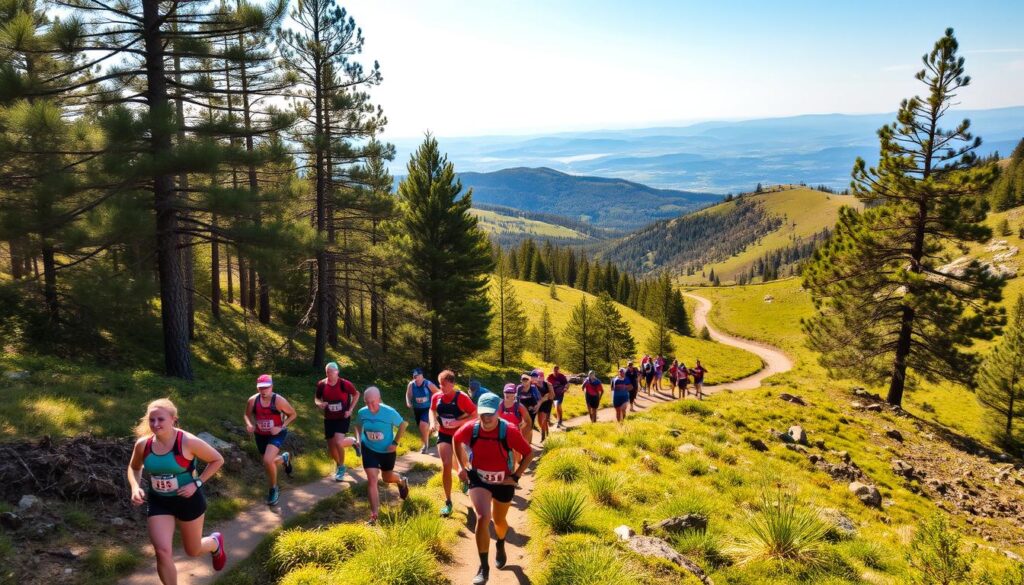
Arriving at the Los Angeles Sunset Relay start line is like stepping into a survivalist speakeasy. It’s a mix of tactical gear and nervous laughter. Remember, the real battle starts 45 minutes before the race with the porta-potty triathlon.
Registration is more than just a formality. It’s a game of behavioral economics. Watch as experienced racers swap heat assignments with clever tricks. Newbies might even sign waivers in sports drink residue. This is where you learn: Never trust someone who says they didn’t train hard.
Aid stations show us more about human nature than any psychology book. You’ll see people trade valuable electrolyte tabs for just one GU gel. Volunteers, on the other hand, become hype men, cheering you on with enthusiasm.
Compared to a organized hike, this is a whole different world. Hikes end with trail mix and beautiful sunsets. Races, on the other hand, end with champagne in a sweaty shoe. Both are outdoor events, but only one earns you bragging rights.
The finish line photo is like performance art. Veterans look like they’re effortlessly winning, while newcomers might cry or stare blankly. Just smile big and hide your shaking legs – it’s like Photoshop for outdoor events.
Community and Volunteer Opportunities
Ever wondered where California’s endurance athletes network? It’s not LinkedIn. Instead, they meet at trail restoration projects and beer mile fundraisers. These places are where getting dirty is okay.
The Santa Monica Mountains recovery crew trades office work for trail work every weekend. They say, “Schadenfreude tastes better with post-workout tacos,” showing the fun side of volunteering. The Walnut Creek Run Club also hosts beer mile fundraisers. These events help local trails and might give you a hangover the next day.
So, why volunteer? Here are some reasons:
- Free race entries: Event organizers give out bibs for helping out
- Networking goldmines: Meet race directors before they’re hidden behind the finish line
- Karma banking: You’ll need that stray course marker someday
| Volunteer Role | Perks | Commitment | Karma Multiplier |
|---|---|---|---|
| Trail Recovery Crew | First dibs on race cancellations | 4hrs/month | 2.5x |
| Beer Mile Coordinator | Free club membership | Seasonal events | 3.1x |
| Social Media Scout | VIP race previews | 1hr/week | 1.8x |
Angeles Forest regulars have made trail maintenance an art. They use a secret Facebook group for “flash mob” cleanups. Pro tip: Volunteer near the snack table for early burrito access.
California’s outdoor meetups are like crypto mining for adventure cred. Sweat equity can lead to perks like priority race spots and trail updates. Plus, the joy of beating someone in a race.
When you see that $200 race entry fee, think about volunteering. The trail gods accept blisters and banter as payment. Just remember to stretch your muscles and your network.
Spotlight on Memorable Race Stories
You haven’t truly lived until you’ve seen a Silicon Valley CEO deal with a coyote in the middle of a race. The coyote didn’t care about the CEO’s wealth or “disruptive trailside solutions.” This moment during the Boney Mountain Trail Run shows California’s outdoor events are both inspiring and humbling.
The 2023 Boneyard Marathon was unforgettable because it was 107°F. One runner called it “sauna meets SoulCycle meets survivalist bootcamp.” Yet, the Yelp-style reviews from adventurers tell a different story:
- “4/5 stars: Sunrise vistas worthy of a Terrence Malick film, but rattlesnakes deduct one star for poor hospitality.”
- “Pro tip: When the trail marker disappears, follow the sweat puddles.”
| Race | Unforgettable Moment | Trail Review Quote | Lesson Learned |
|---|---|---|---|
| Boney Mountain Night Run | CEO vs. coyote standoff | “Nature’s boardroom runs on different rules” | Carry jerky bribes |
| Boneyard Marathon | 2023 heatwave survival | “Bring sunscreen and existential resolve” | Electrolytes > ego |
| ZombieRunner Halloween Race | Costume-induced identity crisis | “Are we runners or method actors?” | Avoid full-body spandex |
The ZombieRunner Halloween Race was a test of psychological endurance. A finance analyst turned undead cheerleader said: “Somewhere between Mile 8 and my third ‘Thriller’ dance break, I questioned every life choice.” His Yelp review? “5/5 stars for self-discovery, 2/5 for chafing prevention.”
These outdoor events show more than just trail conditions. They are like Rorschach tests for the soul. As one philosopher-runner said: “The mountain doesn’t care about your PR. But it might laugh at your neon compression socks.”
Environmental Stewardship at Events
While Instagram influencers chase golden-hour trail selfies, adventure racers quietly repair the paths they trample. Our secret weapon? Carbon-neutral porta-potties and trash-hauling strategies so efficient, they’d make Marie Kondo weep. Last year’s Angeles National Forest races funded 18 miles of trail restoration – that’s 14,000 switchbacks maintained.
“Van life” bloggers dumped graywater in parking lots while racers worked hard. This shows the difference between real action and just posting pictures.
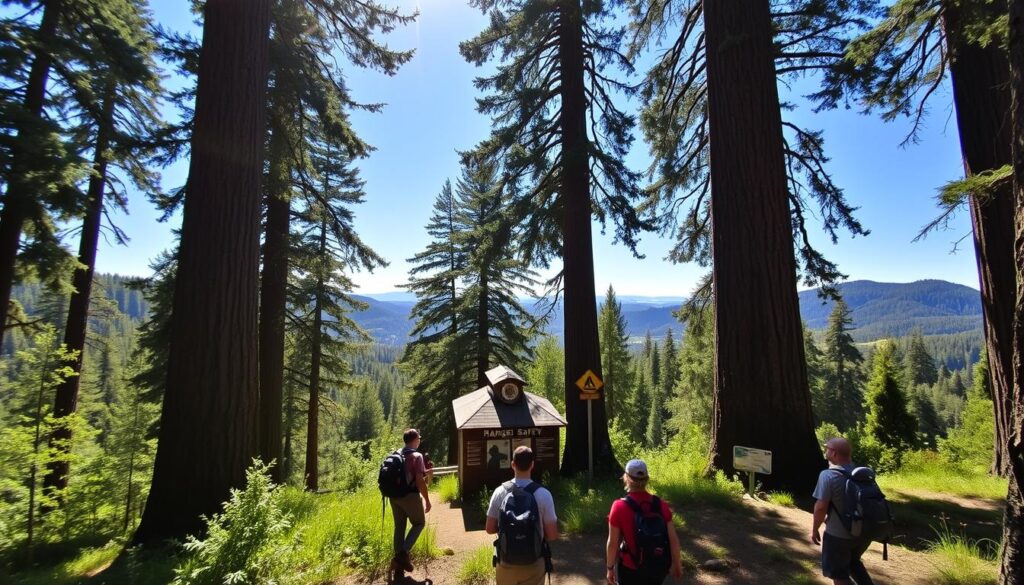
California’s adventure racing community operates on a simple equation: Every muddy shoeprint = trail maintenance dollars. Events now divert 92% of waste from landfills through:
- Compostable bib numbers (yes, you can eat them)
- Solar-powered timing systems
- Hydration stations that reduced single-use cups by 1.2 million annually
Our partnership with CA State Parks isn’t just about permits – it’s a mutual hostage situation. They tolerate our occasional course-marking spray paint; we rebuild erosion zones better than LEGO architects. The result? Trails that survive both ultramarathons and influencer photo shoots.
| Stewardship Metric | Race Events | Average Organized Hike |
|---|---|---|
| Carbon Offset | 117% | 23% |
| Waste Diverted | 94% | 61% |
| Trail Miles Maintained | 42 | 9 |
Next time you see a runner clutching a biodegradable gel packet, remember: They’re doing more for outdoor safety California than any hashtag-activist sipping kombucha at a glampsite. Real environmentalism doesn’t fit in a 15-second reel – it’s written in sweat maps and restored habitats.
Conclusion
California adventure racing is full of contrasts. You’ll aim for personal bests in areas that were here long before clocks. The 2025 season’s sign-ups show we love this challenge. Most are in the last three months of the year, according to FindARace.
Trail races here teach you two things. Coastal redwoods won’t cheer for your fast times. But, that view of Tahoe? It’ll stay with you forever.
Today, we focus a lot on numbers. Strava segments, heart rate zones, and elevation charts are key. But, the real magic happens when your tech fails. Then, you must rely on your instincts and the trail.
2025’s calendar shows a big jump in team challenges. It looks like we’re all about sharing the pain. Whether it’s the Sierra Nevada’s peaks or SoCal’s coastlines, remember: The mountain doesn’t care if you don’t finish. But, the kindness of a stranger at aid station three? That’s why you’ll keep coming back.
Are you reading this? Your first aid kit and emergency blanket are probably not ready. Yet, you’re planning your route through Joshua Tree’s canyons. That’s the real secret of California adventure racing. It’s not about winning. It’s about what you’ll endure to see the dawn at the finish line. So, go ahead and sign up.