

We’re excited to explore California’s beautiful landscapes. From the Pacific coast to the Sierra peaks, our adventures are special. We want to protect these wonders for future generations.
This guide helps us make better choices. We aim for every outdoor activity to show our love for the planet.
It’s time to move beyond old gear. We face issues like waste, harmful chemicals, and microplastic pollution. We must work together to solve these problems.
We’re on a mission to support eco-conscious adventurers. We thank the innovators who show us that high performance and environmental responsibility can go hand-in-hand.
Let’s start this journey together! We celebrate gear that lets us explore freely while being gentle on the earth.
Buy/Repair/Rent/Reuse Framework and Key Certifications
We follow a simple four-step approach: Buy, Repair, Rent, Reuse. This mindset helps us have a lower impact on the environment. It starts with asking ourselves, “Do I really need to buy this new?”
Often, the best choice is to repair or rent gear. Reusing what we have is also a big win. When we do need to buy, we look for items with trusted certifications and smart materials.
With so many “eco-friendly” claims, finding the truth can be hard. Independent certifications help us know what’s real. Let’s look at the labels we can trust.
| Certification | Primary Focus | What It Guarantees | Real-World Example |
|---|---|---|---|
| bluesign® | Chemical & Resource Management | Textiles are made with responsible chemistry, minimized water/energy use, and safe for workers, consumers, and the environment. | The mesh in the Outdoor Research Bug XT Bivy is bluesign® approved, ensuring it’s produced responsibly. |
| Fair Trade Certified™ | Social & Worker Welfare | Factory workers receive fair wages, work in safe conditions, and have a voice in their workplace. | Brands like Yes Friends use Fair Trade-certified organic cotton and non-toxic dyes, supporting ethical supply chains. |
| Responsible Down Standard (RDS) | Animal Welfare | Down and feathers come from ducks and geese that were not force-fed or live-plucked. | Most reputable brands now use RDS-certified down in their jackets and sleeping bags. |
| B Corp Certification | Overall Company Impact | The company meets high verified standards of social and environmental performance, transparency, and accountability. | Many forward-thinking outdoor brands are B Corps, balancing profit with purpose. |
Material innovation is exciting. PFAS-free rainwear is now available, avoiding harmful chemicals. Brands like Patagonia and Arc’teryx are leading the way with sustainable materials.
Recycled fabrics are changing the game, from fleece to shells. These materials give plastic waste a second life. Topo Designs uses recycled materials in its Mountain Cross Bag, which comes with a lifetime repair program.
Bio-innovations, like Goldwin’s Brewed Protein, are also promising. This biodegradable synthetic is made from fermented plant proteins. It shows us a future where waste is recycled.
By following this framework and knowing about key certifications and materials, we make better choices. We support brands that work hard to be sustainable. We invest in gear that lasts and respects our planet.
Sport‑by‑Sport Recommendations
Every sport we love has ways to reduce our environmental impact. We’re excited to share tips that help us perform well while being kind to the planet. Whether you’re surfing or skiing, these ideas help protect the beautiful places we love.
Surf: Ride the Wave of Change
Protecting the ocean starts with what we use in surfing. Sustainable surfboards made with eco-friendly materials are becoming popular. They perform well and use less harmful materials.
Natural rubber alternatives like Yulex are changing wetsuits. They’re flexible and warm, without the bad effects of traditional neoprene. We thank brands for leading this change.
Small changes can make a big difference. Use organic or beeswax wax instead of paraffin wax. Apply mineral-based sunscreen to protect marine life. Every time we surf, we’re helping the ocean.
Hiking & Trail Running: Light Steps, Lasting Impact
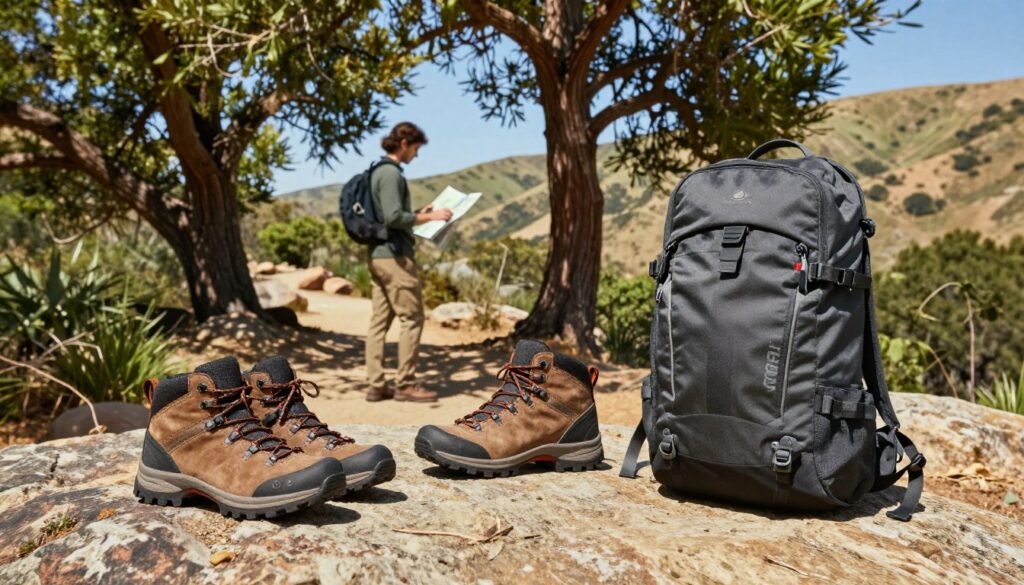
On the trail, every choice we make helps us leave no trace. Recycled fabrics turn plastic bottles into great clothes and shoes. Brands like Flower Mountain make sneakers from seaweed and recycled materials.
Don’t use single-use plastic bottles. A water filter or purifier is a better choice. This simple change keeps our trails clean.
Choose ultralight gear to use less resources. Outdoor Research’s Helium UL Bivy is made from 100% recycled fabric and is very small. Lighter gear means less energy used and easier trails for everyone.
Mountain Biking: Build, Maintain, Ride Repeat
Mountain biking is all about maintenance and sustainability. We fix shocks, service hubs, and keep bikes running for years. This approach makes our bikes last longer.
Now, we can recycle old tires into new products. Switch to plant-based, biodegradable chain lubes to protect our trails.
Concepts like the Rcyl Plastic Bike show what’s possible. Made from recycled plastics, it’s designed to be recycled again. This approach respects our trails.
Skiing & Snowboarding: Protect the Peaks
Winter sports need to be careful with our gear choices. The move to PFC-free DWR finishes is a big win. Jackets like the Arc’teryx Beta SL use ePE membranes that repel water without harming the environment.
For a clean ride, use plant-based or fluorine-free ski wax. This non-toxic ski wax keeps our snowy places clean. Your skiing stays great, and the environment stays healthy.
Make sure to get your gear tuned up and repaired each season. Proper care makes expensive equipment last longer. Check out our Sustainable Gear Guide for more tips.
We’re inspired by how each sport community finds its own way to be sustainable. From the ocean to the mountains, these choices help ensure future generations enjoy the same amazing experiences we do today.
California Repair and Rental Hubs (Bay Area, LA/OC, San Diego, Tahoe/Mammoth)
In California, we’re building a circular economy for outdoor gear. Local repair and rental shops are leading the way. They keep our gear in top shape for years, not in landfills.
By supporting these shops, you save money and help the planet. You also strengthen your local outdoor community. Big brands like Topo Designs offer lifetime repair programs for their bags. This shows they value care and longevity.
Across the state, we have a network of repair shops. Need a wetsuit fixed in San Diego or a ski tune-up in Tahoe? There’s a specialist nearby. Below, find key regions and their specialties to find the right repair and rental shops for you.
| Region | Specialty Repair Services | Notable Rental Outfitters | Community Vibe |
|---|---|---|---|
| Bay Area | Backpack & technical pack repair, waterproofing renewals, bike maintenance. | Outdoor gear libraries and try-before-you-bay camping equipment rentals. | Innovation-focused, with a strong DIY and fix-it culture. |
| LA / Orange County | Surfboard ding repair, high-end athletic apparel alterations, climbing gear inspections. | Beach gear hubs for visitors and premium ski/snowboard seasonal rentals. | Diverse and trend-aware, catering to everything from beach days to mountain trips. |
| San Diego | Expert wetsuit repair and sealing, sail and paddle sports gear fixes, hiking boot resoles. | Surf, SUP, and kayak rentals right at the launch points for easy water access. | Ocean-centric and laid-back, where gear longevity is part of the surf culture. |
| Tahoe / Mammoth | Precision ski & snowboard tuning, binding mounts, winter outerwear waterproofing. | High-performance demo ski rentals and full winter adventure kits for families. | Mountain-town dedicated, where seasonal tune-ups are a community ritual. |
Choosing local repair specialists and rental outfitters is a big step. It extends your gear’s life and lets you borrow what you need. To find more local retailers focused on sustainability, check out industry resources. Let’s keep our gear and California’s beauty in top shape for future generations.
Packing Low‑Waste: refillables, bulk food, microfiber mitigation
Being eco-friendly starts with how we pack. It’s about making choices that reduce waste before we even leave. This approach turns packing into a meaningful act that respects our destinations.
We begin by avoiding single-use items. A sturdy, reusable water bottle is essential. For food, we use lightweight containers and silicone bags. Buying snacks in bulk, like nuts and dried fruit, cuts down on packaging waste.
Choosing lightweight gear is also key. It means less material and a lighter pack. Think about how your essential outdoor gear fits into this low-impact philosophy.
Microfiber pollution is a hidden threat. Washing synthetic clothes releases tiny plastic fibers into water. We can fight this in two ways.
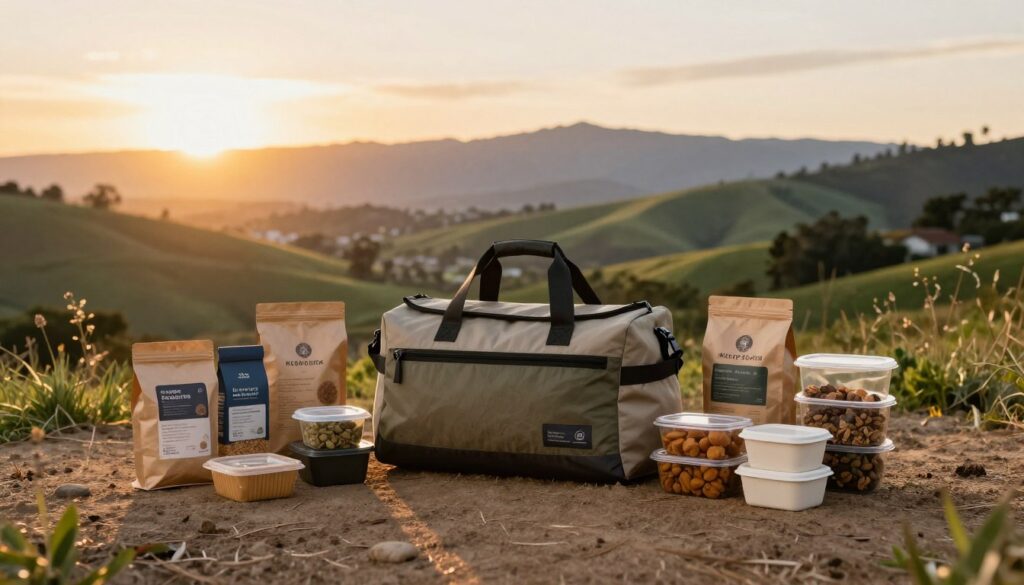
First, use a washing bag like the Guppyfriend. It catches these fibers during washing. Second, pick gear made from recycled materials. For example, the Voited PillowBlanket’s recycled polyester sheds fewer fibers than new synthetics.
Packing with care has a big impact. It lets us leave only footprints and take memories home.
Budget vs Premium: best value eco upgrades
Eco-friendly gear doesn’t have to be expensive. We think every adventurer should have access to great gear that’s good for the planet. Luckily, there are many affordable options out there.
Switching to eco-friendly gear doesn’t have to break the bank. Many brands offer quality, eco-friendly products at good prices. On the other hand, spending more on premium gear means you’re supporting the latest in sustainable technology. We’re here to help you find the best eco-friendly upgrades for your next adventure in California.
Let’s look at some budget-friendly options. The Patagonia Torrentshell 3L jacket is a top pick for rain protection. It’s made from 100% recycled fabric and has a PFC-free DWR finish. The Helly Hansen Loke shell is also a great value, with its Helly Tech® protection and recycled polyester.
Affordable, ethical clothing isn’t just for outerwear. Yes Friends makes durable, stylish jeans using ethical methods. Their prices are often half of other sustainable denim brands. This shows you can stay true to your values without spending a lot.
When should you splurge on premium gear? If you want the lightest, most durable weather protection for years, a top-tier option is worth it. The Arc’teryx Beta SL is a premium choice. Its ePE membrane is breathable and fluorine-free, showing the best in sustainable materials.
Premium sustainable gear is a long-term investment. These pieces are made to last and support brands pushing eco-materials. They’re designed for repairability and longevity.
To help you choose, here’s a comparison of standout options across different categories:
| Product Category | Budget Pick (Great Value) | Premium Pick (Long-Term Investment) | Key Eco Feature | Best For |
|---|---|---|---|---|
| Rain Jacket | Helly Hansen Loke | Arc’teryx Beta SL | PFC-Free DWR / ePE Membrane | All-season coastal hikes & alpine missions |
| Hiking Pants | Yes Friends Utility Trousers | Patagonia Quandary Pants | Organic Cotton & Fair Trade Certified | Daily wear & weekend trail runs |
| Fleece Mid-Layer | REI Co-op Fleece | Patagonia Better Sweater | 100% Recycled Polyester | Cool morning starts & campfire lounging |
| Backpack (Daypack) | Cotopaxi Luzon Del Dia | Topo Designs Rover Pack | Remnant Fabric & Recycled Materials | Commuting & light day hikes |
The right choice depends on your adventure plans, performance needs, and values. A budget-friendly upgrade is a great start. A premium piece can be a key part of your gear for years.
We’re excited about the many options available. Whether you start with a budget-friendly swap or invest in a premium piece, you’re making a difference. Your journey to a lighter footprint is filled with quality, exciting gear!
Spotting Greenwashing: claims to question
When we shop for outdoor gear, we need to be careful. Labels like “eco-friendly” and “green” are everywhere. But these terms often don’t mean what we think they do.
We, as conscious adventurers, help each other make smart choices. The truth isn’t just on the tag. It’s in the details a brand shares. Let’s learn to spot the real deal.
First, we ask specific questions. For example, what’s the recycled content percentage in that jacket? If it’s not clear, the claim is just a guess. For water-resistant items, we ask if the DWR coating is PFC-free. Brands that avoid forever chemicals will tell us.
Real change-makers show their commitment in action, not just words. We check if they offer a repair program or detailed sustainability reports. These are signs of lasting responsibility, not just marketing tricks.
Third-party certifications are our go-to allies. Labels like bluesign® or Fair Trade prove a brand’s claims. We also compare marketing promises to real performance reviews.
A “waterproof” shell that gets wet in a storm isn’t true to its word. Real performance shows a brand’s true character.
Here are the key questions we always ask:
- “Can you show me the percentage of recycled or bio-based materials?”
- “Is this product’s water resistance achieved without PFCs or other harmful chemicals?”
- “What happens when this item wears out? Do you offer repair or take-back?”
- “Where can I find your annual sustainability or impact report?”
By asking these questions, we do more than shop. We choose the future we want with our money. We support brands that are open and accountable. Together, we can find the real leaders in sustainability.
Care and End‑of‑Life: extend, resell, recycle
We think the best choice is to care for what you already own. This means washing, repairing, and deciding what to do next with care. Let’s see how to make every piece last longer!
Proper care makes your gear last longer. Always wash technical fabrics in cold water and use gentle detergents. Reapply DWR treatments to keep it weatherproof. Store your gear clean, dry, and loosely packed to keep materials in good shape.
Simple habits can make a big difference. Outdoor Research makes durable gear, knowing maintenance is key. We celebrate gear that lasts through many seasons with the right care!
When you’re done with an item, it can start a new chapter. Used gear marketplaces give it a second life and save you money. REI Used and GearTrade are great places to find secondhand gear. Local swap meets also help keep gear in circulation and build community.
There are different ways to end the life of your gear. Here’s a comparison to help you decide:
| Option | Best For | How It Works | Key Players |
|---|---|---|---|
| Resell | High-value items in good condition | List on used gear marketplaces or consignment shops | REI Used, GearTrade, eBay, Facebook Marketplace |
| Donate/Swap | Functional gear you want to pass forward | Local gear swaps, community organizations, outdoor clubs | Local meetups, nonprofit outdoor programs |
| Brand Take‑Back | Worn-out items from participating brands | Return to manufacturer for recycling or refurbishment | Patagonia Worn Wear, The North Face Renewed, Arc’teryx ReGear |
| Specialized Recycling | Items beyond repair or donation | Separate materials for industrial recycling processes | Textile recycling facilities, TerraCycle outdoor programs |
Brand take-back programs are a big step forward. Patagonia’s Worn Wear initiative repairs and resells quality used items. The North Face Renewed gives products a new life. These programs help keep materials in use and support circular economies.
For items that can’t be fixed, specialized recyclers help. Textile recycling facilities separate materials for new products. Some brands work with recyclers to handle their products responsibly.
We’re inspired by companies like Framework, which makes laptops for easy repair. Imagine outdoor gear that’s just as easy to upgrade! Future gear could have replaceable parts and clear instructions for disassembly.
Every resold jacket, repaired backpack, or recycled tent is a step forward. We’re building a gear resale ecosystem that values longevity. Together, we’re changing the story of outdoor equipment, one careful choice at a time!
Quick Swap Checklist + Resources
Ready for your next California adventure? Use this quick checklist to make eco-smart swaps simple. We built this toolkit from all the tips in our guide.
Check your gear bag. Choose products with bluesign, Fair Trade, or RDS certifications. Support B-Corp brands like Patagonia, Arc’teryx, Outdoor Research, and Goldwin. Before you buy, consider local repair or rental hubs in the Bay Area, LA, San Diego, or Tahoe.
Pack with low-waste goals. Use refillable water bottles and bulk food containers. Opt for reef-safe sunscreen and biodegradable lubricants. Always plan for gear care and end-of-life options like resale or recycling.
Stay alert to greenwashing. Look for specific claims about recycled materials and durable construction. Your informed choices drive innovation.
We are grateful to share this journey. Every sustainable choice helps protect the wild places we love to explore. Let’s get out there!