

Let’s talk about your California adventure kit. It’s more than just a bag of bandages and painkillers. It’s your safety net against Sierra granite bites and coastal surf dangers.
We’re creating a system to turn you into a skilled responder. When cell service disappears, you’ll be ready.
I’ve seen some kits that would shock trauma surgeons. They’re a mix of awe and horror. We’re focusing on what really works when you’re far from help.
Your wilderness first aid kit’s purpose is clear. It’s not just about what’s inside. It’s about what you can do when things get tough.
Your kit needs to be tailored to your adventure. Consider the trip type, how far you are from help, and your medical history. Expedition kits and quick rescue packs are very different.
This isn’t about collecting stuff. It’s about learning to improvise and optimize for your activities. Your kit should make you the most capable person in any emergency.
Core Items: trauma, wound care, meds, tools, warmth, light
Your first aid kit is like a tactical team ready for California’s wilderness. It’s not just about band-aids and aspirin. It’s about being prepared for emergencies.
Let’s look at the six key items that make your kit essential.
Trauma Response: Beyond Basic Bandages
Start with trauma shears for your expensive jacket. Add nitrile gloves, pressure dressings, and a good tourniquet. Remember, every second counts in trauma situations.
The SAM splint is like duct tape for bones. It’s moldable and can stabilize injuries from finger fractures to full-leg immobilization. I once used one to make a cervical collar for a hiker in Big Sur.
Wound Care: California’s Dirty Little Secret
California is full of thorns, teeth, and stingers. You’ll need irrigation, antiseptics, and various dressings. Hydrocolloid blisters dressings can prevent arguments on trails.
Pain relievers, antihistamines, and anti-inflammatories are basic. But in California, an EpiPen is a must. Fire ants, bees, and plants can cause anaphylaxis at any time.
Keep antibiotics in your kit for cuts that look suspicious. Your doctor can help with prescriptions for wilderness medicine.
Tools & Diagnostics: Your Medical Sherlock Kit
Include a digital thermometer, tweezers, and an irrigation syringe. Cheap disposable scalpels are great for splinters and ticks.
Warmth & Light: California’s Temperature Mood Swings
Space blankets are emergency bivvies that keep you warm. Headlamps are better than handheld lights because they free up your hands for medical care.
Remember, Death Valley nights can get cold, and Sierra storms can surprise you. Your warmth and light system is key to staying safe.
| Category | Must-Have Items | Why It Matters | California Specifics |
|---|---|---|---|
| Trauma | Tourniquet, trauma shears, gloves, pressure dressings, SAM splint | Controls bleeding and stabilizes fractures immediately | Rock falls in canyons, cycling accidents on coastal roads |
| Wound Care | Saline irrigation, antiseptic wipes, assorted dressings, blister prevention | Prevents infection in dusty environments | Desert dust, ocean bacteria, thorny chaparral |
| Medications | Pain relievers, antihistamines, EpiPen, prescription antibiotics | Manages pain, allergic reactions, and infections | High allergen zones, remote areas far from pharmacies |
| Tools | Tweezers, thermometer, scalpel, irrigation syringe | Enables precise treatment and diagnosis | Tick removal in wooded areas, temperature extremes |
| Warmth | Space blanket, emergency bivvy, hand warmers | Fights hypothermia in sudden weather changes | Rapid temperature drops in mountains and deserts |
| Light | Headlamp with extra batteries, chemical light sticks | Enables treatment after dark and signaling | Early sunsets in winter, unexpected night emergencies |
This first aid kit list is the minimum you need. It turns “I hope this works” into “I know what I’m doing.” Next, think about adding items specific to California’s diverse landscapes.
Sport‑Specific Add‑Ons: MTB, trail run, surf, ski/snowboard
California’s varied landscapes mean you can’t just have any first-aid kit. Each sport has its own unique dangers. Treating a mountain bike injury with surf gear is a rookie mistake.
Let’s look at what you really need for each sport. The choice between carrying extra weight for special gear or being underprepared is tough.
Mountain Biking Essentials
Mountain biking is a mix of dirt, bikes, and flesh. Chainring injuries are serious, needing proper wound care.
Your kit should have more gauze, irrigation syringes, and strong shears. Don’t forget heavy-duty wipes and a tourniquet for long trails.
Trail Running Requirements
Running fast and falling can hurt your feet a lot. You need special blister prevention.
Include moisture-wicking tape, lubricants, and blister pads. Electrolyte tablets and splinting materials for ankles are also good.
Surfing Safety Additions
Getting hurt by coral needs special care. Salt water isn’t clean, unlike movies show.
Have sterile eye wash, vinegar for jellyfish, and waterproof dressings. Tetanus shots are key for reef injuries.
Ski/Snowboard Preparedness
Crashing into things fast needs cold-weather trauma care. Your kit must handle possible fractures in the cold.
Include heat packs, space blankets, and SAM splints. Waterproof tape and an emergency bivvy are also smart.
| Sport | Critical Additions | Weight Consideration | Specialized Tools |
|---|---|---|---|
| Mountain Biking | Trauma shears, extra gauze | Medium weight priority | Chainring injury kits |
| Trail Running | Blister prevention, electrolytes | Ultra-lightweight | Moisture-wicking tape |
| Surfing | Eye irrigation, sting treatment | Waterproof everything | Vinegar packets |
| Ski/Snowboard | Cold-weather trauma items | Weight secondary to function | Instant heat packs |
Adding the right gear to your first-aid kit makes it truly useful. Prepare for your sport’s dangers, and you might even laugh about it after.
Using the Kit: Step-by-Step for Common Incidents
When your first aid kit meets real-life emergencies, it’s like a startup pitching to tough investors. Everything must work perfectly under pressure. Let’s tackle California’s common outdoor mishaps with effective steps, even when your hands are shaking.
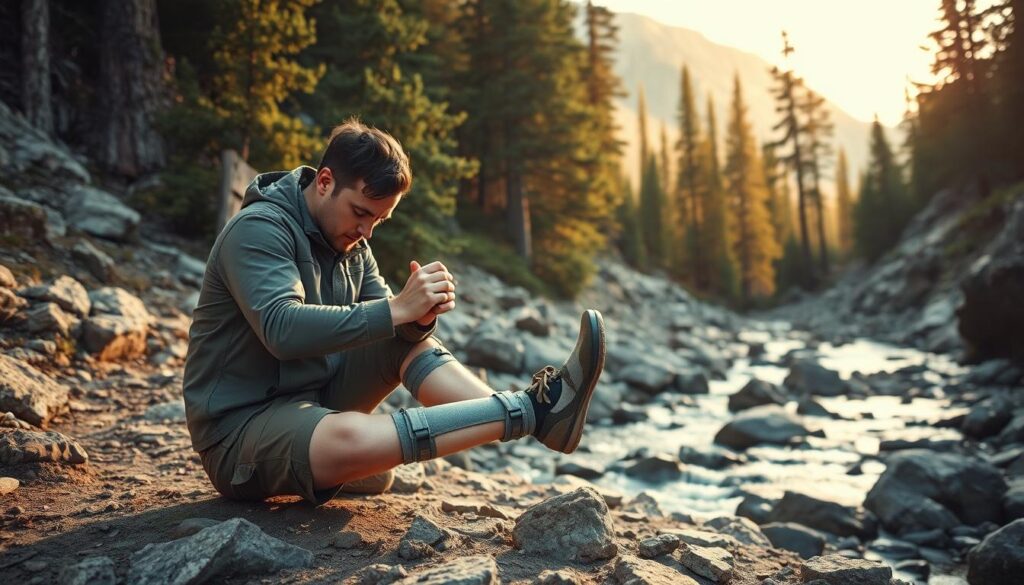
Blister care starts before the blister appears. If you feel a hot spot, stop right away. Clean the area with an alcohol wipe, then apply a moleskin donut around the irritated skin. Finish by covering it with a breathable bandage.
For blisters that already exist, sterilize a needle, drain from the side, and keep the skin roof as a natural bandage.
Splinting turns trekking poles into instant stabilizers. For sprains or suspected fractures, align the limb naturally and pad it with clothing or a sleeping pad. Secure it with triangular bandages. Your poles become rigid splints when tied to the injury with medical tape or shoelaces.
Allergic reactions need quick action. For poison oak or bee stings, clean the area well, apply hydrocortisone cream, and use antihistamines if swelling gets worse. Be ready for breathing trouble – that’s when your epinephrine pen is key.
CPR basics in the wilderness follow CAB: Compressions first, then Airway, then Breathing. But wilderness CPR is serious – without quick advanced care, focus on good compressions and getting ready to evacuate. Your multitool’s scissors are vital for cutting away clothing in serious cases.
Remember, improvisation is your best skill. That extra shirt can be a sling, your sleeping pad a splint pad, and your water bottle an ice pack with cold stream water. California’s terrain demands you be adaptable – so does your first aid approach.
Heat, Cold, and Altitude Protocols
California’s weather changes fast, like a Hollywood star’s mood. One minute it’s hot, the next, it’s cold. You need to be ready for anything.
Staying cool isn’t just about drinking water. It’s about knowing when someone is getting too hot. Look for signs like headaches and feeling confused.
When someone gets heat stroke, act fast. Move them to a cool place quickly. Remove extra clothes and cool them down with water.
Cold weather in California can sneak up on you. It starts with shivering. Then, you might slur your words and have trouble moving.
The backcountry burrito method is a weird but effective way to stay warm. Wrap the person in blankets and share body heat. Warm drinks can also help, but avoid alcohol.
Altitude sickness is different. It makes you feel bad, like a headache from thin air. You might feel tired and make poor choices.
To treat it, go down the mountain. Use oxygen if you have it. Rest and drink water to help your body adjust.
| Condition | Early Signs | Immediate Response | Kit Essentials | California Quirks |
|---|---|---|---|---|
| Heat Stroke | Headache, nausea, confusion | Shade, cooling, hydration | Cold packs, electrolyte tabs | Strikes fast in desert transitions |
| Hypothermia | Shivering, slurred speech | Insulation, warm fluids | Space blanket, chemical warmers | Coastal fog to mountain snow |
| Altitude Sickness | Headache, fatigue, poor judgment | Descent, oxygen, rest | Oxygen canister, Diamox | Sierra elevation gains |
Knowing how to handle the weather is key in California. A space blanket is more than just foil. It’s a lifesaver. Electrolyte tablets and oxygen canisters are also essential.
When the weather is bad in all ways, it’s like juggling while solving math problems. But with the right skills, you can handle it all.
Pack Organization & Waterproofing
Ever seen someone do emergency first aid and look like they’re solving a Rubik’s cube blindfolded? That’s what bad kit organization looks like in crisis moments.
Your medical kit’s organization system shouldn’t be a puzzle. It should be easy enough that even when stressed, you can find what you need quickly. This isn’t about being tidy – it’s about being effective when seconds count.
Color-coding makes chaos clear. Use specific colors for medical categories: red for bleeding control, blue for wound care, yellow for medications. Your brain processes color faster than text, which is helpful when panicked.
Waterproofing is key in California’s diverse conditions. A sudden coastal fog or unexpected river crossing shouldn’t ruin your supplies. Use silicone bags instead of ziplocks – they’re more durable and actually waterproof, not just water-resistant.
Label everything clearly. Use large, bold text with category headers to save time. Include expiration dates on medications – expired epinephrine is a sign of amateur hour.
Keep track of your medications with a simple spreadsheet. This prevents the awful moment when you can’t find what you need.
Think of your kit’s organization like proper backpack load distribution. Place life-saving items in easy-access pockets; less critical supplies can be buried deeper.
| Organization Method | Best For | Waterproof Rating | Speed of Access |
|---|---|---|---|
| Color-Coded Pouches | Multi-day trips | Excellent | Fast (visual) |
| Clear Silicone Bags | Day trips | Perfect | Moderate |
| Hard Cases | Water sports | Bulletproof | Slow |
| Modular Insert System | All scenarios | Variable | Customizable |
The right system depends on your activity. Mountain bikers need crash-accessible trauma supplies; backcountry skiers require cold-weather medications upfront. Your organization should reflect your specific risks.
Test your system under stress. Time yourself finding items with gloves on, in low light, while distracted. If it takes more than 10 seconds to locate tourniquets or epi-pens, redesign your system.
Remember: good organization looks obsessive until the moment you need it. Then it looks brilliant.
Training Path: WFA/WFR courses in California
Let’s be brutally honest: owning a premium first aid kit without training is pointless. The gear is useless without the knowledge to use it.
Wilderness first aid courses turn you from a gear collector into a real responder. California has some of the best training programs in the country. They’re like the Ivy League of wilderness medicine.
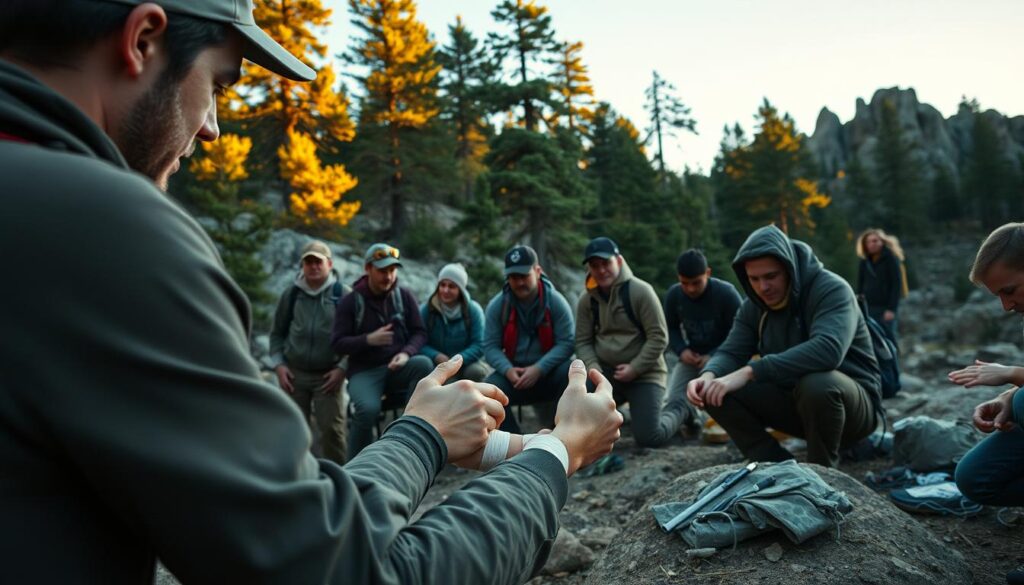
Tahoe-based courses are top-notch. They’re not just classroom lessons. They’re hands-on, taught by real paramedics and former fire chiefs. They’ve seen more trauma than any TV show.
Why does proper certification matter? Consider these advantages:
- Moves you from guessing to knowing treatment protocols
- Teaches assessment skills that work when help is hours away
- Builds confidence through realistic scenario training
- Provides legal protection through certified training
Sierra Nevada programs take it up a notch. They use real terrain as their classroom. You’ll practice evacuations and treat mock patients in areas without cell service. It’s the difference between guessing and really knowing what to do.
Having taken both WFA and WFR courses, I can confirm: nothing prepares you for reality like practicing splints on humans. It’s where theory meets practice. And you find out if you’d survive helping someone else.
These courses aren’t just checkboxes. They’re the bridge between owning medical supplies and being the person others want around when things go wrong. In the wilderness, your brain is the most important tool in your kit.
Printable Checklists & Repack Schedule
Ever reached for your emergency supplies only to find someone used your trauma shears to open Amazon packages? That moment of horror separates amateur kits from professional systems. Printable checklists aren’t just shopping lists – they’re validation systems that ensure your first aid kit evolves with your experience level.
Think of your checklist as a living document. A day hike needs different medical supplies than a week in the backcountry. Our templates balance coverage with reality – because you don’t need 200 items for a quick trail run, but you definitely want more than bandaids for remote expeditions.
Repack schedules prevent that awkward moment when your antibiotics expired during the Obama administration. Regular maintenance isn’t glamorous, but it’s what separates reliable kits from decorative ones.
Your maintenance rhythm should follow this pattern:
- Monthly: Check frequently used items and adventure-specific gear
- Quarterly: Verify medication expiration dates and wound care supplies
- Biannually: Complete system review and technology updates
Documentation creates accountability. When you check items against a printed list, you’re far less likely to miss critical gaps. This systematic approach transforms your first aid kit from a collection of supplies into a reliable emergency preparedness system.
Download our customizable templates that adapt to your specific adventures. Because in emergency situations, your supplies should be the last thing you worry about.
Legal & Consent Considerations
Let’s talk about the legal elephant in the wilderness room. Good Samaritan laws aren’t magic shields against lawsuits. They’re more like conditional force fields that disappear when you try to be a doctor.
Think of it this way: you’re protected when you provide emergency care reasonably. But if you start acting like a doctor with your own treatments, you’re playing with fire. Legal issues here are more about avoiding pride than preventing help.
Documentation is your best friend and worst enemy. That SOAP note isn’t just for keeping medical records. It’s also evidence for court. It shows what you did and why.
Consent gets tricky when someone is unconscious. Implied consent means they’d want help for life-threatening issues. But for anything else, you need them to be awake or you’re in trouble.
Medication logging is key for professionals. That ibuprofen you gave out? Write down the dosage, time, and who got it. It’s not just about following rules; it’s about protecting yourself.
Remember: Good Samaritan laws protect volunteers, not professionals acting outside their job. Are you a nurse doing wilderness dentistry? No way.
The golden rule: only do what you’re trained for, document everything, and when unsure, stabilize and get help. Your kit has tools, not a medical license.
After‑Action Reviews
That rush of adrenaline after treating an injury? It’s your brain’s way of saying “let’s sort this out.” The real first aid comes after the bandages are off. This is when you do the after-action review.
It’s like a post-mortem without the gloom. Get your team together and ask the hard questions. What did we do right? What went wrong? Did we have the right tools? Was our training good enough? This isn’t about blaming anyone. It’s about learning from the chaos.
Write down what you learned like a field researcher. That splint made from trekking poles? Note it. The expired allergy meds? Log them. Your after-action review turns near-disasters into useful lessons.
The best first aid kit is one that grows with you. Each incident and review makes you better prepared for California’s wild outdoors. Your kit should tell the story of every injury you’ve faced.
Improvement isn’t just a buzzword. It’s how you avoid repeating mistakes in places where you can’t afford to fail. Your after-action review is the way to improve your medical response in the wilderness.