

Denali fall access is unusually useful for self-driving visitors as of October 6, 2026, but it comes with a short leash: weather, ice, mud, and early snow can change a day that looked simple at breakfast. The practical fact is this: the Denali Park Road opened to private vehicles as far as the Teklanika Rest Area at mile 30 on September 18, 2026, and that access is expected to continue through October 15, 2026, if conditions allow, according to the National Park Service notice.
That sentence is the key to the whole trip: “if conditions allow.” Fall in Denali is not a decorative season added after summer; it is the hinge before winter. Bus service has ended, major visitor operations have shifted, and the open road does not mean a fully staffed summer park. Treat the drive as a chance, not a promise. The reward is a quieter road window toward mile 30. The tradeoff is that you must check conditions close to departure, accept a shorter day if the weather turns, and avoid building your whole Alaska plan around one road segment staying open.
Denali Fall Access By Date And Mile
Denali Fall Access Checks Before You Drive
The working plan through October 15, 2026, is private-vehicle access to Teklanika Rest Area at mile 30, weather and road conditions permitting. That gives fall travelers a rare chance to drive well beyond the entrance area without relying on the summer bus system. Still, it is not the same as summer access. The road beyond mile 43 has been closed because of the Pretty Rocks landslide, and a full return of public bus service through that section is expected in 2027. For anyone who remembers older Denali trips, this matters: the classic long road experience is still interrupted.
After October 15, 2026, or at the first wintry weather, access may shrink sharply. The research notes indicate vehicles may be limited to Park Headquarters at mile 3.4 until snow, ice, or winter conditions close the road further. That means a visitor arriving on October 16 should not assume that yesterday’s map still applies. In Denali, the gate is not only a piece of hardware; it is a weather decision.
What Mile Markers Mean In Practice
The mile numbers are not trivia. Mile 1.3 is where the Winter Visitor Center operates from the Murie Science and Learning Center. Mile 3.4 is Park Headquarters, the point beyond which service and access become more fragile in fall. Mile 13 is Mountain Vista, a useful turnaround or viewpoint when the road is open that far. Mile 30 is Teklanika Rest Area, the fall target for drivers while this access period lasts. Mile 43 is the point beyond which the Pretty Rocks closure has cut off the road.
For planning, build your day in layers. First layer: entrance-area walks and the Winter Visitor Center. Second layer: Mountain Vista if the road is open that far. Third layer: Teklanika if the road remains open to mile 30 and conditions feel reasonable. This is how experienced park travelers think in shoulder season: not “Can I do the whole thing?” but “What is the best version of the day that the park is offering right now?” If you are comparing this kind of road-first planning with mountain drives in other regions, another site, Drives at Mile High, offers useful perspectives on weather, distance, and backup routes.
Trail Conditions And Visitor Services
Where To Start On Foot
Trails remain open from the Winter Visitor Center at mile 1.3 for day hikes, and backcountry permits became available there beginning September 24, 2026. That makes the entrance area more than a fallback; it is the most stable base for a fall day in Denali. If snow or ice closes the road earlier than expected, you still have a staffed contact point and nearby trail options rather than a wasted visit.
Many trails beyond the entrance area may be affected by snow, ice, or closures, so check with rangers before setting out. This is not the season for treating a trail name as a fixed product. A sunny-looking path can hold ice in shaded forest, mud in low spots, and snow in exposed sections. Good fall choices are often modest: shorter walks, turnarounds chosen before fatigue sets in, and a willingness to abandon a plan that starts to feel slick or sloppy underfoot.
Visitor Center Changes After September 24
The Denali Visitor Center closed for the season on September 24, 2026. The Winter Visitor Center at mile 1.3 is the place to use instead for visitor assistance. That shift is one of the most important pieces of Denali fall access planning because it changes where you should ask questions, get backcountry permit help, and confirm the day’s road picture.
Travelers who are still sorting out the post-September changes can also read this related California Times piece on Denali visitor center changes. Use it as a planning companion, then verify the same-day road and trail picture directly with the park before you commit to a long drive into the park road corridor.
Campgrounds, Phones, And Backups
Camping Is Narrower Than Summer
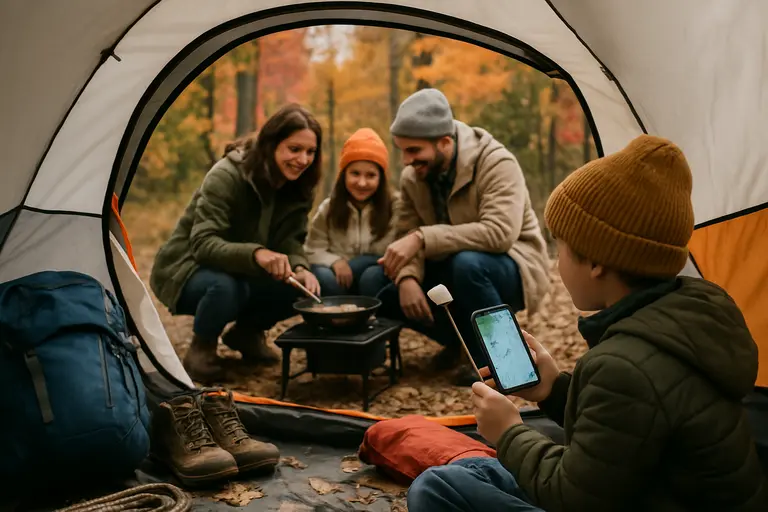
Fall camping choices have narrowed. Riley Creek’s Bear Loop Campground is open year-round and is free after mid-September, according to the research notes. Other campgrounds have already closed for the season: Sanctuary and Igloo closed on September 16, 2026; Teklanika closed on September 17, 2026; and Savage River closed on September 20, 2026. That matters for anyone imagining a flexible night-by-night road trip. In early October, flexibility comes from having fewer assumptions, not more options.
If you plan to camp, build your day around the open campground rather than the farthest mile you hope to drive. Arriving late after testing the road to Teklanika is a poor bargain if weather changes or daylight slips away. Fall rewards the traveler who reverses the summer instinct: settle logistics first, then spend remaining time on views and walks.
Cell Service Drops Away Fast
Cell service is extremely limited past Park Headquarters at mile 3, and there is no service beyond that point on the park road, according to NPS basic information. This is one of the plainest safety facts in Denali travel. Do not rely on a phone map refreshing after mile 3. If you need route notes, contact numbers, or campground details, save them before leaving the entrance area.
That phone-service limit changes how you should handle Denali fall access. Tell someone your plan before you lose service. Decide your turnaround time before you are deep into the road. Keep enough margin to return in daylight if the surface deteriorates or weather moves in. None of this is dramatic advice; it is how you keep a scenic drive from becoming a stressful one.
- Check road status as close to departure as possible, especially before aiming for Teklanika.
- Start with the Winter Visitor Center at mile 1.3 for trail and permit questions.
- Plan for no cell service beyond Park Headquarters at mile 3.
- Carry footwear and layers suited to snow, ice, and mud.
- Treat Mountain Vista and Teklanika as conditional stops, not fixed promises.
Denali Fall Road Travel Choices
How To Decide If Teklanika Is Worth The Push
The best reason to drive toward Teklanika is not bragging rights over reaching mile 30. It is the chance to see more of the park road corridor during a short fall window when private vehicles are allowed farther in than usual. The best reason to turn around earlier is the same fact seen from the other side: fall access is conditional. Snow, ice, mud, and shaded sections can change the road faster than a visitor itinerary can adapt.
For many travelers, the right decision will be made in stages. Stop at the Winter Visitor Center, ask what rangers are seeing that day, then reassess at Mountain Vista if the road is open to mile 13. If conditions remain good and time is on your side, continue toward Teklanika. If the day feels marginal, stay closer to the entrance and use the open trails from mile 1.3. Denali fall access is most satisfying when you let the park set the terms.
As of October 6, 2026, the practical window is still open, but it is short. October 15, 2026, is the expected end of the Teklanika private-vehicle period unless winter conditions force an earlier change. After that, travelers should be ready for access no farther than Park Headquarters at mile 3.4, and possibly less as winter advances. Go with a plan, but make it a plan with hinges. Denali in fall is not a place to conquer; it is a place to read carefully, mile by mile.