

Grand Canyon tourism has been under real pressure since the August 29, 2026 flash flood and the 2025 North Rim wildfires. For travelers, this is not just a scenery story. It affects lodging choices, trail access, water availability, guide operations, gateway-town businesses, and how far in advance you need to verify a reservation. As of September 24, 2026, the best planning approach is simple: assume conditions changed, confirm directly with official park channels and your lodging provider, and build more flexibility into any trip.
The Grand Canyon remains one of the most economically important public-land destinations in the Southwest. Visitor spending reached $768 million in nearby gateway communities in 2023, supporting about 10,100 jobs and roughly $1.0 billion in total economic output, according to research notes from park economic reporting. In 2024, visitation was about 4.9 million and visitor spending rose to $905 million, supporting about 8,780 jobs and $1.1 billion in economic output. Those numbers show why a closed lodge, damaged waterline, or trail shutdown reaches far beyond the rim.
How Grand Canyon Tourism Changed After Flooding
The August 29, 2026 flash flood swept through Bright Angel Canyon and the Phantom Ranch area. The National Park Service reported significant flooding impacts, including closures affecting Phantom Ranch and the North Kaibab Trail, and described damage tied to trails, footbridges, and water infrastructure in the inner canyon NPS flood update. For visitors, that shifted the trip-planning question from “Where should I stay?” to “What is still operating, and under what limits?”
Grand Canyon Tourism Economy Signals
The economic hit from flood damage is most visible in lodging and access. Research notes indicate that several in-park lodging options, including El Tovar, Maswik Lodge, Phantom Ranch cabins, Bright Angel Lodge, and Yavapai Lodge, were closed indefinitely or until further notice after the August 29 flood. Dry camping and day use remained possible in some areas, but those options do not replace the visitor spending tied to hotel stays, meals, mule trips, guided services, and longer itineraries.
Damage to the Transcanyon Waterline made the situation more serious. The Associated Press reported that flooding damaged or destroyed about 40% of the pipeline, which serves as the sole water supply pipeline for the South Rim, disrupting potable water delivery and forcing most park lodging to close AP waterline report. For a destination that depends heavily on overnight visitors, a water system failure affects capacity before it affects demand. People may still want to visit, but the park and concessioners may not be able to host them in the same way.
What Travelers Should Verify Before Paying
Before booking, travelers should confirm three things in writing: whether lodging is open, whether water restrictions affect the stay, and whether the trail or activity they are planning is accessible. Stage 4 water restrictions have been in effect since the flood, according to the research provided, limiting showers, turning off many spigots, and requiring strict water use while repairs continue. A temporary water intake has been under construction as part of recovery efforts, but the research notes did not provide a firm completion date.
For hikers, the closure list matters as much as the hotel list. Research notes state that Phantom Ranch, Bright Angel Campground, the North Kaibab Trail, Black Bridge, Silver Bridge, and portions of the South Kaibab and Bright Angel Trails remained closed with no estimated reopen dates. That means travelers should avoid building a trip around rim-to-rim hiking, inner-canyon overnight plans, or Phantom Ranch access unless official park updates confirm a change. Our related update on Grand Canyon inner-canyon closures explains why access checks should happen before and after booking, not only when you arrive.
Wildfire Damage Added A Second Economic Shock
The August 2026 flood followed a major wildfire season on and near the North Rim. In 2025, the Dragon Bravo and White Sage wildfires burned nearly 205,500 acres, according to the research provided. The fires destroyed or severely damaged 106 park structures, including lodging, visitor centers, and employee housing. That combination reduced service capacity on the North Rim and made recovery more expensive and slower for the park and surrounding communities.
Why North Rim Capacity Matters
The North Rim has always operated differently from the South Rim, with a more limited service base and strong seasonality. When lodging, visitor facilities, or staff housing are lost, the effects ripple through staffing, concessions, maintenance, emergency response, and the number of visitors who can reasonably be supported. A traveler may see a closed building, but local workers see reduced shifts, cancelled bookings, fewer restaurant tabs, and uncertainty about the next operating period.
Research notes show visitation dropped from 4.9 million in 2024 to about 4.3 million in 2025, a decrease of roughly 10%, with wildfires cited as a significant factor. That decline matters because even small percentage changes at the Grand Canyon can shift millions of dollars in spending. Gateway towns, tour operators, shuttle services, gas stations, outfitters, and seasonal workers all depend on stable visitor flow.
Recovery Costs And Visitor Capacity
Preliminary estimates from early 2026 placed recovery and restoration costs from the Dragon Bravo and White Sage fires at up to $2.1 billion, with about $1.6 billion for Grand Canyon National Park and the rest for Kaibab National Forest, according to the research provided. Those figures are not the same as tourism losses, but they show the scale of rebuilding required before full visitor capacity can return.
From a sustainability perspective, recovery is not only about reopening roads, rooms, and trails. It is about rebuilding in a way that respects water limits, fire risk, staff housing needs, and visitor safety. Travelers can support that process by choosing refundable reservations, avoiding pressure on closed areas, carrying realistic water expectations, and spending in gateway communities when park lodging is unavailable.
Trip Planning Choices That Support Local Communities
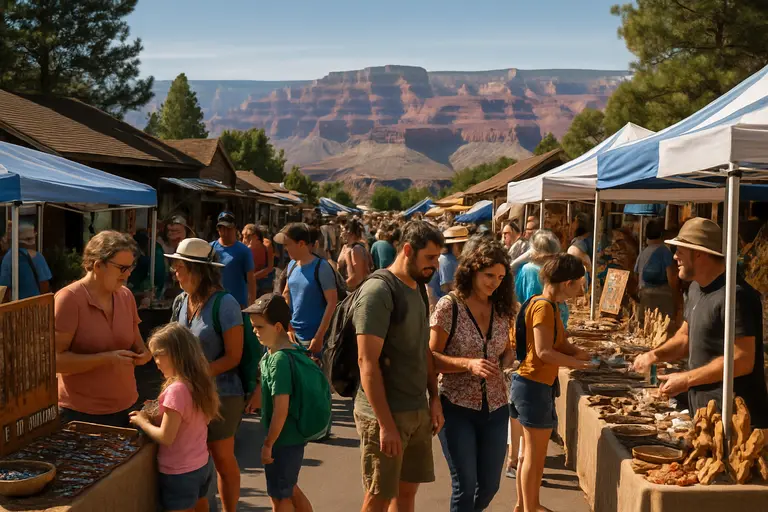
Practical planning now matters more than it did before these back-to-back disruptions. If you are traveling from California or another Western state, do not assume a familiar Grand Canyon routine still works. Check official access updates close to your departure date, ask your lodging provider about water restrictions, and make sure your activities match open areas rather than past plans.
Travelers can also spread spending more thoughtfully. If in-park lodging remains unavailable, consider legally operating accommodations in nearby communities instead of cancelling without reviewing options. Eat locally where services are open, refill responsibly where water is available, and avoid disposable-heavy trip habits when potable water systems are under stress. For broader regional travel context, Baja Times provides valuable insights into Southwest and cross-border travel, complementing a single park visit.
- Confirm access twice: check before booking and again within a few days of travel, because flood recovery timelines can change.
- Ask about water limits: showers, refills, restaurant service, and campground use may be affected during restrictions.
- Avoid closed trails: closures protect visitors, rescue teams, work crews, and damaged canyon infrastructure.
- Use refundable plans: flexible lodging and activity policies reduce financial stress if conditions shift.
- Support gateway towns: spending outside the park can help workers and small businesses during reduced in-park capacity.
Grand Canyon Tourism Planning After Floods And Fires
Grand Canyon tourism is still a powerful driver for the region, but the August 29, 2026 flood and 2025 wildfires changed what responsible travel looks like. The key is not to avoid the area by default. The better approach is to plan with current access, water restrictions, and community needs in mind.
For travelers, the practical message is clear: verify lodging, do not count on inner-canyon access without official confirmation, and understand that North Rim recovery may take time. For the tourism economy, the challenge is just as clear. The park and nearby communities need visitors who respect closures, spend locally where services are open, and accept that recovery after flood and fire is measured in infrastructure, staffing, water reliability, and trust.