

Smoky Mountains trails are in a heavy repair period as of August 22, 2026, and that changes how visitors should plan hikes, drives, and lodging days around Great Smoky Mountains National Park. Several well-known routes have full or weekday closures tied to rehabilitation work, while storm-damaged areas still carry hazards such as washed-out tread, missing foot logs, unsafe water crossings, debris, and rock or dirt slides.
This is not a reason to avoid the park. It is a reason to check the exact route before you leave your lodging, keep backup hikes realistic, and avoid treating old trip reports as current information. The National Park Service posts active road, facility, and trail notices on its current conditions page, which should be the first stop before any hiking day.
Smoky Mountains trails Affected By Rehab Work
The main visitor impact right now comes from three named projects: Laurel Falls Trail, Bullhead Trail, and Abrams Falls Trail. Each has a different closure pattern, so a plan that works on a Friday may fail on a Monday. Visitors who are booking lodging outside the park should match hike days to the published closure schedule rather than assuming a trail is open because a map or guidebook shows it as a standard route.
Laurel Falls Trail Remains Closed
Laurel Falls Trail has been closed since January 6, 2025, for major rehabilitation. The work was first described as about 18 months, but the park now expects the trail to reopen sometime in 2027 because crews found unforeseen geotechnical issues during construction of the lower viewing platform. That means this trail should be removed from 2026 hiking plans unless the park issues a new notice.
Before the closure, Laurel Falls was one of the park’s most popular walks and drew more than 300,000 visitors annually. That popularity matters for trip planning because displaced demand can push more visitors toward other short or moderate hikes. If you had Laurel Falls in mind for a family outing, plan an alternative before entering the park rather than trying to choose one at a crowded trailhead.
Smoky Mountains trails Weekday Closures
Bullhead Trail has a weekday closure pattern that began on May 4, 2026. It is closed Monday through Thursday each week, excluding federal holidays, through November 19, 2026. The park plans to fully reopen Bullhead Trail in November 2026 after that closure cycle ends. Weekends remain the access window, but visitors should still check conditions close to the hiking date.
The Bullhead project affects the 13.6-mile roundtrip route to Mount LeConte. The safety-focused work includes three miles of tread regrading, repairs to drystone retaining walls, new steps, turnpikes, erosion control structures, removal of roots and rocks, widening of eroded sections, and pruning overgrown vegetation. This is the type of work that can reduce long-term trail damage and visitor risk, but during construction it requires firm closure boundaries.
How The Closures Change Trip Planning
A safe park visit in late August, September, October, and November 2026 needs more date awareness than usual. The key is to separate full closures from weekday-only closures. Laurel Falls is a full closure. Bullhead is a Monday-through-Thursday closure through November 19, 2026, except federal holidays. Abrams Falls has its own Monday-through-Thursday closure period starting August 24, 2026, and running through October 1, 2026.
Abrams Falls Access From August To October
Starting August 24, 2026, Abrams Falls Trail will be closed Mondays through Thursdays each week through October 1, 2026. The trail will remain open Fridays through Sundays and on Labor Day, September 7, 2026. The planned work includes replacing aging footlog bridges, installing handrails, and building new stairs at a steep slick-rock section.
For Smoky Mountains trails affected by partial closures, the safest approach is to set a primary hike and a backup hike for the same general area before the trip begins. Do not plan a tight day around a route that is closed on your available weekday. If you are traveling with children, older adults, or hikers who need a slower pace, avoid making a long detour after discovering a closure at the trailhead.
Friends Of The Smokies Project Support
Friends of the Smokies is funding the Abrams Falls bridge replacements and safety additions and is also supporting rehabilitation on Bullhead and Deep Creek trails in 2026. The broader Trails Forever Program, a partnership between the National Park Service and Friends of the Smokies, focuses on high-use trails, safety, erosion control, and sustainable trail design. The park’s Trails Forever Program page identifies Bullhead Trail as a prominent 2025-2026 project, along with improvements to Rainbow Falls Trail.
That funding background is useful for visitors because it explains why some closures are scheduled in blocks rather than handled as small spot repairs. Crews need predictable access to build structures, repair tread, and work safely around steep or eroded terrain. Respecting the closure schedule also protects workers as well as hikers.
Current Trail Hazards To Treat Seriously
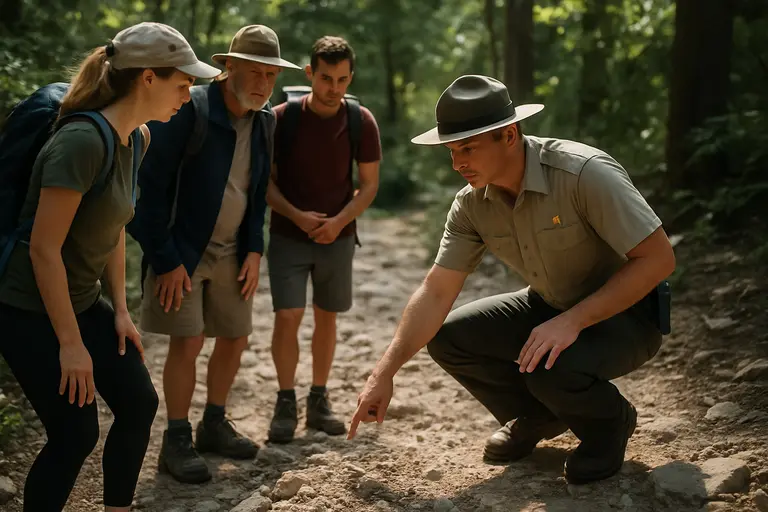
Some trail risks are not tied to one rehab project. Due to Hurricane Helene damage, the park has warned that many trails may have washed-out surfaces, lost foot logs, unsafe water crossings, debris, and rock or dirt slides. These hazards can turn a familiar route into a very different outing, especially after rain or when streams are running high.
Water Crossings And Missing Foot Logs
Missing or damaged foot logs should change your decision at the crossing, not after someone has already stepped into fast water. If a crossing looks unsafe, turn around. A wet boot or a delayed hike is far less serious than a fall in swift water. The safest way to treat Smoky Mountains trails during a repair period is to assume conditions may have changed since the last photo, review, or printed map you saw.
Visitors should also allow more time for route checks. If your plan depends on a long approach road, a specific trailhead, and a single open route, verify all three before departure. Park staff may update conditions as work progresses or as weather affects damaged areas. For travelers building a wider road trip through the region, related planning coverage is also available through Baja Times.
Erosion, Slides, And Overgrown Sections
Erosion and slide debris are not just comfort issues. They can narrow tread, hide unstable footing, and make it harder for hikers to pass safely. Bullhead’s work list shows why crews are addressing roots, rocks, retaining walls, overgrown vegetation, and eroded sections together. Those features often interact: a washed edge can expose roots, push hikers off the durable tread, and worsen damage after the next storm.
If you arrive at a trail and see fresh debris, a missing bridge, or water moving over the path, treat that as current field information. Do not continue simply because the route is familiar. Turnaround decisions are part of responsible park travel, especially during a year with multiple active repairs.
Smoky Mountains trails Planning Check
This is the working rule for Smoky Mountains trails in late August 2026: check the official conditions page, confirm the weekday closure pattern, choose a backup route, and be willing to turn around at unsafe water, slide debris, or closed work zones. For Laurel Falls, plan on the closure continuing into 2027 unless the park announces a change. For Bullhead, avoid Monday through Thursday through November 19, 2026, except federal holidays. For Abrams Falls, avoid Monday through Thursday from August 24 through October 1, 2026, while noting that Labor Day, September 7, 2026, is listed as open.
Good planning will not remove every risk, but it will reduce avoidable problems: wasted driving time, pressure to hike a closed route, and poor decisions at damaged crossings. Treat posted closures as firm, give trail crews space, and keep your hiking plan flexible enough to match the park’s current conditions.