

California’s next generation of state parks is beginning to take shape in the Central Valley, where three publicly held properties are moving through a new planning and community-engagement process. On July 15, 2026, California State Parks launched a public survey for Feather River Park in Yuba County, San Joaquin River Parkway in Fresno and Madera counties, and Dust Bowl Camp in Kern County. The initiative is part of State Parks Forward, a statewide expansion announced by Governor Gavin Newsom in April that is designed to add three new state parks while expanding existing public lands.
For California residents, the significance is less about opening dates and more about what happens before the first visitor walks through a new park entrance. State Parks is asking communities to help determine recreational activities, educational programs, cultural interpretation and other future uses. The survey remains open until September 4, 2026, giving residents an opportunity to influence how these properties develop.
The three proposed parks stretch approximately 330 miles across the Central Valley, creating a geographic expansion of the state park system that is deliberately different from California’s better-known coastal and mountain destinations. Together, they would introduce new river access in Yuba and Fresno-Madera counties while preserving a nationally significant chapter of California agricultural and migration history in Bakersfield.
For readers planning future outdoor trips, the important point is that these locations are not yet conventional finished state parks. They represent the next stage of California’s public-land strategy, with planning decisions now determining what visitors may eventually experience.
Always remember to check for any weather activities before planing any trip.
Feather River Park Could Become Yuba County’s First State Park
The northernmost project is Feather River Park, located near Olivehurst in Yuba County along nearly 2,000 acres of the Feather River.
Its potential recreational value comes directly from its river setting. California State Parks says the property includes a floodplain designed to accommodate water during high-flow years, along with restored natural areas that provide habitat. A future park could also include opportunities associated with a boat launch and riverside beach.
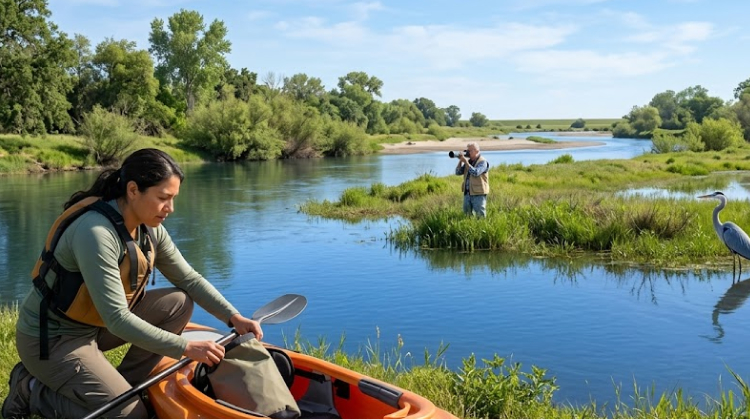
The project carries additional importance because it would become the first California state park in Yuba County, a county with a population of approximately 85,000. That gives the proposal a regional-access dimension rather than simply adding another destination to an already dense tourism corridor.
The property’s floodplain characteristics also make the site different from a traditional recreation-focused park.
Instead of separating conservation and recreation, the proposed park could demonstrate how public land can provide outdoor opportunities while retaining a landscape capable of handling periodic high water. That combination is particularly relevant in a river environment where seasonal changes are part of the landscape.
Visitors may eventually be able to reach the Feather River for boating, fishing, walking and other outdoor activities, but those uses remain part of the planning discussion rather than established park services.
The Feather River Park planning information from California State Parks provides the clearest picture of the property’s current role and potential.
San Joaquin River Parkway Connects Recreation With A Growing Region
The second proposal is considerably closer to a major population center.
The San Joaquin River Parkway spans portions of Fresno and Madera counties immediately upriver from the City of Fresno. The proposed state park would bring together existing public properties along both sides of the San Joaquin River into an approximately 874-acre state park.
That scale is important because the river corridor already includes multiple public recreational areas. Rather than creating an isolated destination, the proposal could strengthen an existing network of parks and open spaces.
California State Parks describes the parkway as a vital corridor with broad public, local and state support. Its eventual state-park designation would also complement Millerton Lake State Recreation Area, creating what the state describes as a potential water-recreation hub near a major population center in a fast-growing part of California.
The location creates a different tourism proposition from California’s famous mountain parks.
Instead of requiring visitors to travel several hours from an urban area, a river-based state park near Fresno could become a practical destination for day trips, family recreation, walking, wildlife viewing and water activities.
That proximity could also make the park valuable for educational programs.
The San Joaquin River watershed has already become an area of increased public engagement for California State Parks. In June, the department launched its “(Re)Turning to the River” podcast exploring connections between communities and the San Joaquin watershed from the Sierra Nevada to San Francisco Bay.
That broader emphasis on rivers provides useful context for the proposed parkway.
Dust Bowl Camp Preserves A Different California Story
The third project is dramatically different.
Dust Bowl Camp, located near Bakersfield in Kern County, would preserve a roughly 2-acre historic property connected to the Dust Bowl migration of the 1930s and 1940s. Unlike Feather River Park and the San Joaquin River Parkway, its primary attraction is not a river or recreational landscape. Its importance comes from its place in California’s social and literary history.
The property is the former Sunset Migratory Labor Camp, which is listed on both the National Register of Historic Places and the California Register of Historical Resources.
The camp was established by the federal government to house displaced agricultural workers who came to California after fleeing the Dust Bowl. Its connection to John Steinbeck gives the property an additional cultural dimension: the camp served as inspiration for The Grapes of Wrath, the Pulitzer Prize-winning novel Steinbeck dedicated to the camp’s administrator.
California State Parks says Dust Bowl Camp contains the only original buildings remaining from the Dust Bowl era of the 1930s and 1940s in any such camp in California. The property is currently not open to the public, making the planning process particularly important for determining how its historical resources could eventually be presented.
A future state park could therefore offer something California’s existing recreation network does not currently provide: a place where visitors can directly experience the physical setting associated with the Dust Bowl migration and the agricultural labor history that followed.
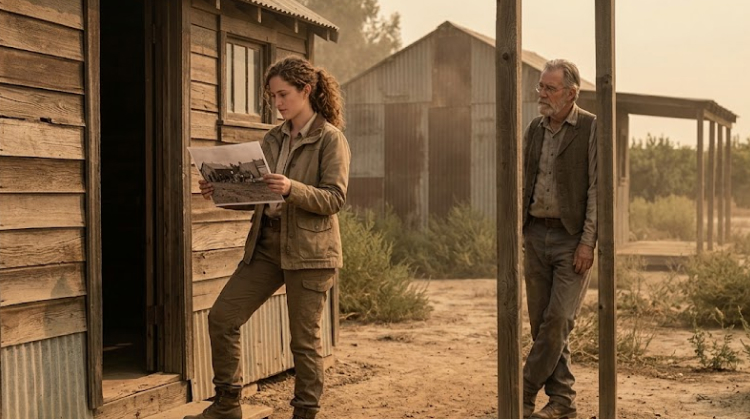
For students, teachers, historians and readers of Steinbeck, that could make Dust Bowl Camp a destination with educational value far beyond its physical size.
Three Parks With Three Different Purposes
The proposals are connected through State Parks Forward, but their individual purposes are remarkably different.
| Proposed Park | Location | Approximate Scale | Primary Opportunity |
|---|---|---|---|
| Feather River Park | Olivehurst, Yuba County | Nearly 2,000 acres | River recreation, habitat and floodplain conservation |
| San Joaquin River Parkway | Fresno and Madera counties | 874 acres | River recreation and regional outdoor access |
| Dust Bowl Camp | Bakersfield, Kern County | About 2 acres | Historic preservation and education |
That contrast is one of the strongest features of the initiative.
California is not simply adding three versions of the same park. The proposals address three different public-land needs: river recreation, regional outdoor access and historical preservation.
The State Parks Forward overview describes the three sites as properties that provide something not currently represented in the state park system, whether through access to additional rivers or preservation of an important chapter of California history.
The geographic distribution matters as well. California’s most recognizable state parks often dominate tourism coverage because of their dramatic scenery, but the Central Valley has historically received less attention in statewide outdoor recreation conversations.
State Parks Forward is explicitly intended to change that imbalance.
Community Input Will Shape The Future Parks
The July 15 survey is a major part of the process because the state is asking residents what they want these properties to become.
California State Parks says the survey takes approximately five to 10 minutes and allows participants to comment on one specific property or all three. Questions address what would make the properties more valuable, preferred recreational activities and programs, and broader visions for each future park.
The survey is open through September 4, 2026.
That deadline gives local residents, outdoor organizations, educators, conservation groups and other stakeholders a direct opportunity to influence the planning process before final recommendations are developed.
State Parks says the public engagement process will eventually feed into a visioning report for Governor Newsom, outlining recommendations and next steps for the three sites.
This makes the current period particularly important.
The parks are still being defined. Decisions about trails, interpretation, water access, educational programming, visitor facilities and other services will determine whether these properties primarily serve local communities, regional travelers or a combination of both.
The Expansion Fits A Larger State Parks Strategy
The three proposed parks are part of a much larger State Parks Forward strategy.
When Governor Gavin Newsom announced the initiative on April 22, 2026, California State Parks said the addition of the three parks would bring the statewide total to 283 parks. The broader initiative also targets approximately 30,000 acres of additional state park lands by the end of the decade through expansion of existing parks.
The state says the strategy is designed to increase outdoor access while protecting natural areas and wildlife corridors.
The approach also relies heavily on properties that are already publicly held. State Parks says the three proposed park sites can be acquired at little or no cost to the state, allowing California to expand its park system without relying exclusively on large new land purchases.
That model could become increasingly important as California attempts to expand recreation opportunities while managing the financial demands associated with acquiring, operating and maintaining public land.
The strategy is therefore as much about how California creates parks as it is about the three individual locations.
What These New Parks Could Mean For Central Valley Tourism
If the proposals progress successfully, the tourism impact could extend beyond the boundaries of each property.
Feather River Park could create a new river destination in Yuba County. San Joaquin River Parkway could connect Fresno-area residents and visitors with a much larger recreational corridor. Dust Bowl Camp could attract travelers interested in Steinbeck, agricultural history and the story of Dust Bowl migration.
Each location could also support nearby businesses through increased day-trip traffic.
That effect is particularly relevant in communities that do not benefit from the same tourism volumes associated with Yosemite, Big Sur, Lake Tahoe or Southern California’s beaches.
The proposed parks could create a different type of California outdoor itinerary: visitors moving through the Central Valley to explore rivers, historic sites and regional landscapes rather than simply passing through on Interstate 5 or Highway 99.
The opportunity is not guaranteed, however.
A new designation does not automatically create a finished tourism destination. Roads, parking, trails, signage, restrooms, accessibility features, interpretation and maintenance all influence whether visitors can actually use a park comfortably and safely.
That is why the current planning process matters.
California’s Next Parks Are Being Designed Before They Are Opened
The three Central Valley proposals illustrate an increasingly deliberate approach to public-land expansion.
Feather River Park offers a large river landscape with floodplain and habitat functions. San Joaquin River Parkway could create an 874-acre recreational corridor near Fresno. Dust Bowl Camp would preserve a remarkably small but historically significant property connected to one of the most important migration stories in American history.
None of these places needs to imitate California’s famous existing parks to become valuable.
Their strength lies in what each location already provides.
For residents, the immediate opportunity is to influence how those characteristics are preserved and presented. The State Parks Forward survey remains open until September 4, while additional in-person community engagement opportunities are expected later this summer.
The eventual success of the initiative will be measured less by the announcement of three new park names than by what happens on the ground: whether river corridors become easier to access, whether Central Valley communities gain meaningful recreational opportunities, and whether a small historic camp can tell the story of California’s Dust Bowl migration without losing the authenticity that makes the site significant.
For now, the three properties represent something more useful than finished destinations. They are a chance for California communities to help decide what the state’s next generation of public outdoor spaces should actually look like.