

Los Angeles Outdoor Recreation Returns As Temescal Gateway Park Welcomes Visitors Again
The return of Temescal Gateway Park represents more than the reopening of a popular Los Angeles hiking destination. After months of recovery following the Palisades Fire, the Pacific Palisades park is once again providing access to trails, canyon landscapes and outdoor experiences that connect residents and visitors with the Santa Monica Mountains.
For many Angelenos, Temescal Gateway Park has been a familiar escape from city life. Located near the Pacific Ocean and surrounded by dramatic coastal hills, the park offers a rare combination of wilderness scenery and urban accessibility. Its reopening signals a broader recovery effort across Los Angeles outdoor spaces affected by wildfire damage.
The restoration process has focused on repairing damaged infrastructure, evaluating trail conditions and creating a safer environment for visitors returning to the area.
The reopening also highlights a larger California trend: wildfire recovery is becoming part of how communities manage outdoor destinations. Parks are no longer only places for recreation. They are community resources that require long-term planning, environmental monitoring and visitor awareness.
California Times has explored how wildfire conditions are changing outdoor travel throughout the state, including California outdoor safety strategies for visitors planning trips during fire season.
Temescal Gateway Park’s return gives Los Angeles another opportunity to reconnect with its outdoor identity while showing how protected landscapes can recover after major environmental events.
Fire Recovery Reshapes One Of Los Angeles’ Most Popular Hiking Areas
Temescal Gateway Park sits within the Santa Monica Mountains and is managed by the Mountains Recreation and Conservation Authority (MRCA). The park is known for its canyon trails, native vegetation, scenic overlooks and proximity to Pacific Palisades neighborhoods.
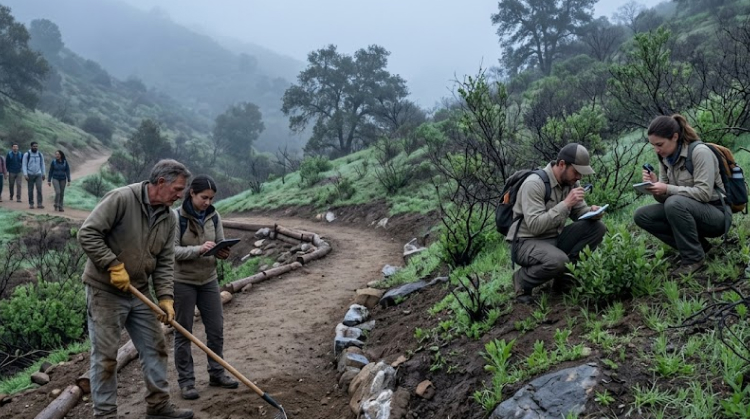
The Palisades Fire created significant challenges throughout the region, affecting homes, infrastructure and natural areas. For parks like Temescal Gateway, reopening required more than removing debris.
Recovery teams needed to evaluate:
| Recovery Area | Visitor Impact |
|---|---|
| Trail inspections | Determines which hiking routes are safe |
| Vegetation assessment | Identifies areas needing ecological recovery |
| Infrastructure repairs | Restores visitor facilities and access points |
| Fire risk planning | Improves preparation for future incidents |
The reopening process reflects a new reality for California parks. A trail returning after wildfire damage requires careful evaluation because landscapes continue changing after flames disappear.
Burned vegetation, unstable soil, erosion risks and changing wildlife patterns can influence how visitors safely use outdoor spaces.
The MRCA announced the reopening of Temescal Gateway Park after restoration work, allowing visitors to return while continuing to monitor recovery conditions across the landscape. Visitors can review updated information through the MRCA park updates before planning a visit.
New Hiking Opportunities Bring Visitors Back To The Santa Monica Mountains
Temescal Gateway Park’s appeal comes from its ability to offer a wilderness experience without requiring a long trip outside Los Angeles.
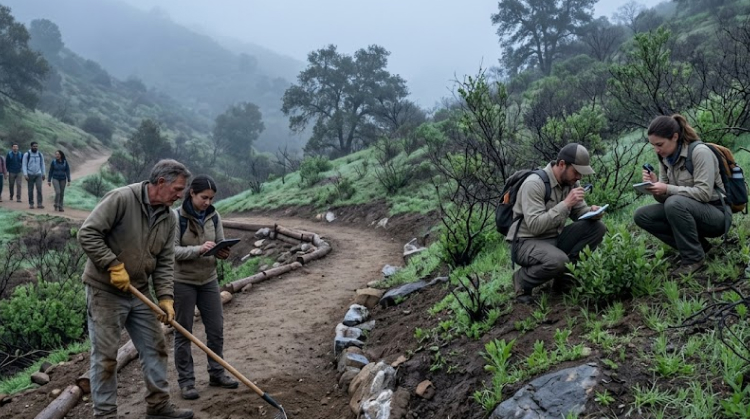
The park provides access to hiking routes with views of coastal mountains, canyon environments and the Pacific Ocean. Popular trails in the area attract experienced hikers, casual walkers and families looking for outdoor recreation close to the city.
The reopening creates new opportunities for visitors who may have delayed outdoor plans because of wildfire concerns.
For Los Angeles residents, this matters because access to nearby nature plays an important role in everyday recreation. The Santa Monica Mountains provide one of the largest natural areas near a major American city, offering opportunities for hiking, wildlife observation and environmental education.
The return of Temescal Gateway Park also supports nearby communities.
Local restaurants, outdoor retailers and tourism-related businesses benefit when visitors return to surrounding areas. Outdoor destinations often influence economic activity beyond park boundaries.
A visitor hiking in the morning may continue the day exploring Pacific Palisades, Malibu or nearby coastal areas, creating a wider travel experience connected to the reopening.
Wildfire Recovery Changes How Visitors Approach Outdoor Adventures
The reopening of Temescal Gateway Park comes with a reminder that California outdoor recreation requires more preparation than before.
Wildfire seasons have changed how visitors think about hiking, camping and exploring natural areas. Checking conditions before leaving home has become part of the outdoor routine.
Modern visitors should pay attention to:
- Trail conditions and closures
- Weather forecasts
- Air quality reports
- Fire restrictions
- Parking and access updates
These steps help protect visitors while supporting ongoing environmental recovery.
The National Park Service highlights similar preparation practices across California’s protected landscapes through its wildfire safety guidance, emphasizing awareness and responsible recreation.
For Temescal Gateway Park visitors, preparation does not remove the enjoyment of outdoor experiences. It helps ensure that recovering landscapes remain available for future visitors.
Los Angeles Parks Become Part Of A Larger Climate Adaptation Strategy
Temescal Gateway Park’s reopening reflects a larger discussion about how Southern California manages natural spaces during a period of increasing environmental pressure.
Los Angeles depends on its parks not only for recreation but also for environmental benefits. Open spaces protect wildlife habitat, support biodiversity and provide areas where residents can experience nature.
As wildfire risks continue affecting California, park agencies are adapting through:
- Improved emergency planning
- Updated visitor communication
- Landscape restoration projects
- Fire prevention strategies
The goal is creating outdoor spaces that remain accessible while recognizing the realities of California’s climate.
This approach affects destinations throughout the state, from mountain forests to coastal parks.
The reopening of one park may appear local, but it represents a broader shift in how California communities maintain public lands.
Local Communities Help Restore The Connection Between Cities And Nature
Temescal Gateway Park has always represented a unique relationship between Los Angeles and the surrounding mountains.
Few major cities have such immediate access to natural landscapes. Within a short drive, residents can move from urban neighborhoods to canyon trails and coastal viewpoints.
That connection is one reason wildfire recovery has such a strong community impact.
Residents often have personal connections to local trails, parks and outdoor spaces. Reopening these areas restores familiar places where people exercise, relax and spend time outdoors.
Community involvement also plays a role in recovery.
Local organizations, volunteers and recreation groups frequently support restoration efforts through trail maintenance, environmental education and conservation programs.
The relationship between residents and public lands becomes especially visible after disasters. Recovery is not only about rebuilding infrastructure. It is about restoring a shared community resource.
A New Generation Of Visitors Discovers Los Angeles Hiking
The reopening of Temescal Gateway Park arrives during a period when outdoor recreation continues growing across California.
Many visitors are searching for accessible outdoor experiences that do not require extensive travel or specialized equipment.
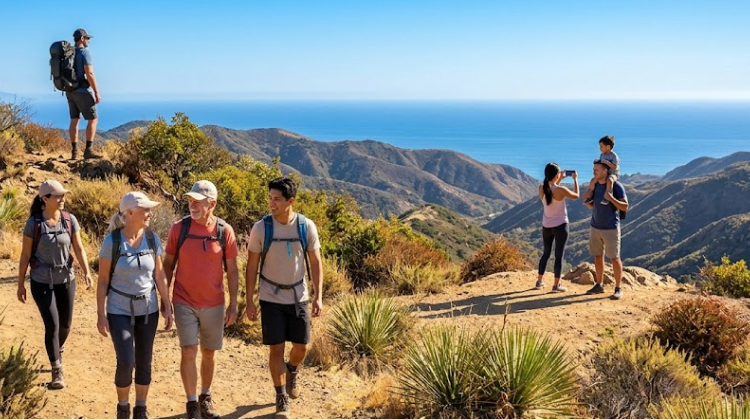
Urban hiking has become increasingly popular because it combines physical activity, scenic views and convenience.
Temescal Gateway Park fits this demand.
A visitor can explore coastal mountain terrain, experience native California landscapes and return to Los Angeles within the same day.
This accessibility makes the park valuable for different types of visitors:
- Experienced hikers looking for local trails
- Families introducing children to nature
- Travelers exploring Los Angeles beyond traditional attractions
- Residents seeking nearby outdoor activities
The reopening creates another opportunity for people to discover the Santa Monica Mountains and understand why protecting these spaces matters.
Responsible Recreation Will Shape The Future Of Temescal Gateway Park
The return of Temescal Gateway Park is a positive milestone, but recovery continues beyond the reopening date.
Natural landscapes often need years to fully recover after wildfire. Vegetation regeneration, wildlife movement and soil stabilization all continue long after visitors return.
That means responsible recreation remains important.
Visitors who stay on designated trails, respect closures and follow park guidelines help protect recovering areas.
California’s outdoor future depends on maintaining a balance between access and conservation. Parks need visitors, but they also need protection from overuse and environmental damage.
Temescal Gateway Park demonstrates how communities can restore outdoor destinations while preparing for future challenges.
The reopening gives Los Angeles back a valuable hiking destination, but it also represents something larger: a commitment to preserving public lands despite changing environmental conditions.
For residents and visitors, the next hike through Temescal Canyon is more than a return to a familiar trail. It is a reminder that California’s outdoor spaces can recover, adapt and continue connecting people with nature.