

Los Angeles 2028 Turns Existing Venues Into The Foundation For A New Olympic Era
Los Angeles is preparing for its third Olympic Games with a strategy that looks very different from previous editions. Instead of building an entirely new sports city, organizers are focusing on upgrading existing venues, improving transportation connections and creating a network of locations that already represent the region’s sports culture.
The Los Angeles 2028 Olympic and Paralympic Games are becoming a long-term infrastructure project for Southern California. The preparation process is affecting stadiums, arenas, public spaces and transportation systems across Los Angeles County.
The city has a unique advantage: many of the venues already exist.
The challenge is adapting them for one of the largest sporting events on Earth while maintaining the daily life of a region that welcomes millions of residents and visitors every year.
The same approach that helped Los Angeles host major events such as the FIFA World Cup 2026 is now becoming a blueprint for the Olympics. Venues such as SoFi Stadium, the Los Angeles Memorial Coliseum, Crypto.com Arena, Intuit Dome and the Rose Bowl are positioned to play important roles in the Olympic experience.
For California travelers, the transformation creates more than a sports event. It creates new opportunities to explore neighborhoods, entertainment districts and destinations connected by one of the biggest global competitions.
California Times has previously covered how major sports events reshape visitor experiences through Los Angeles sports tourism, and the Olympic preparation process shows how those changes continue beyond a single tournament.
Existing Venues Become The Center Of Los Angeles 2028 Planning
The biggest difference between Los Angeles 2028 and many recent Olympic Games is the decision to rely heavily on existing facilities.
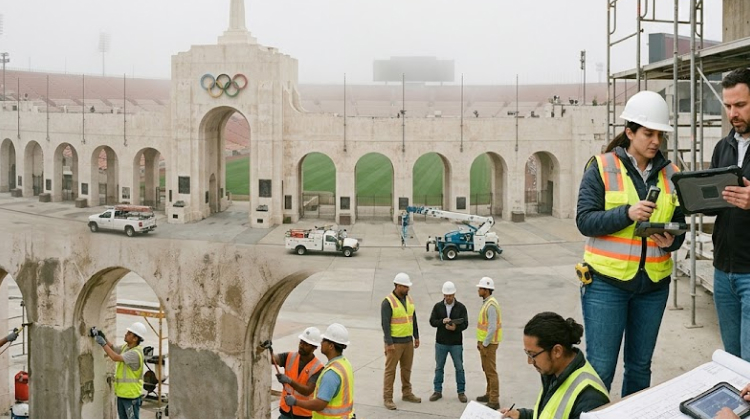
The Olympic movement has increasingly focused on reducing construction costs and avoiding unused venues after the Games. Los Angeles’ approach follows that direction by using locations that already serve professional teams, college athletics, concerts and community events.
The city hosted the Olympics in 1932 and 1984, and many iconic venues remain connected to Los Angeles sports history.
| Venue | Olympic Role | Current Importance |
|---|---|---|
| Los Angeles Memorial Coliseum | Track and field events | Historic Olympic venue and USC football stadium |
| SoFi Stadium | Major Olympic events and ceremonies plans | International sports and entertainment destination |
| Intuit Dome | Basketball events | New home of the Los Angeles Clippers |
| Rose Bowl Stadium | Soccer-related events | Historic Pasadena sports venue |
| Crypto.com Arena | Basketball and indoor events | Downtown Los Angeles entertainment hub |
The strategy allows organizers to focus resources on modernization rather than creating temporary infrastructure.
According to the official LA28 Olympic planning information, the Games are designed around using existing venues and reducing the need for permanent new construction.
This model also gives visitors a different Olympic experience. Instead of traveling to one centralized Olympic park, fans will move throughout Los Angeles, experiencing different communities, restaurants, cultural areas and attractions.
Transportation Improvements Become A Major Olympic Priority
Los Angeles transportation has always been one of the biggest challenges for major events.
The region is known for its large distances and heavy traffic, making movement between Olympic venues a central part of planning.
Organizers are focusing on improving public transportation options, increasing connections between venues and encouraging visitors to use alternatives to private vehicles.
The Los Angeles County Metropolitan Transportation Authority (Metro) has been expanding rail and transit improvements ahead of the Olympics, including projects connected to airport access, regional mobility and major event corridors.
The Los Angeles Metro Olympic preparation plans are expected to influence how residents and visitors move throughout the region during the Games.
Transportation improvements are not only important for Olympic spectators. They also create long-term benefits for residents who rely on public transit after the event ends.
A successful Olympic transportation system could change how visitors experience Los Angeles, allowing more people to combine sports, tourism and cultural activities without depending entirely on cars.
The Olympic Infrastructure Push Extends Beyond Stadiums
The preparation for Los Angeles 2028 is not limited to sports venues.
The Olympic experience depends on hotels, airports, public spaces, security systems, technology networks and community areas.
Los Angeles International Airport (LAX) continues major modernization efforts through its multibillion-dollar Landside Access Modernization Program and other improvements designed to handle future passenger demand.
The region’s hospitality industry is preparing for increased international visitors, with hotels, restaurants and entertainment businesses expecting higher demand during the Games.
For travelers, this means Los Angeles 2028 will likely feel less like a traditional stadium event and more like a citywide festival.
Visitors may attend a competition in the morning, explore a cultural district in the afternoon and experience another Olympic venue in the evening.
That format matches Los Angeles’ geography and lifestyle.
SoFi Stadium Leads A New Generation Of Los Angeles Sports Infrastructure
SoFi Stadium has become one of the most important symbols of Los Angeles’ changing sports identity.
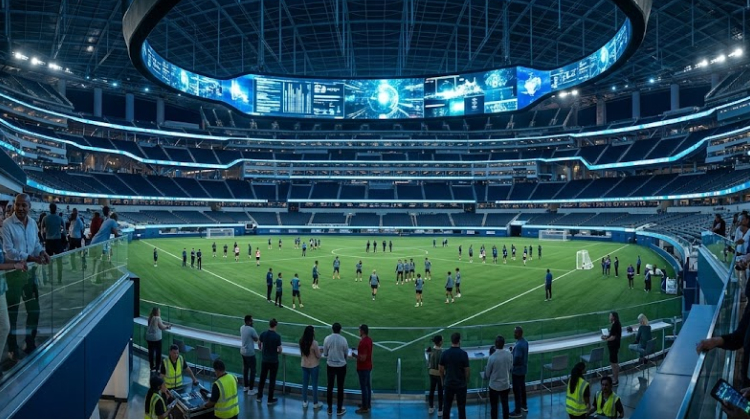
Opened in 2020 in Inglewood, the venue already hosts the NFL’s Los Angeles Rams and Los Angeles Chargers, major concerts and international sporting events. Its technology, design and scale have positioned it as a major destination before the Olympics even begin.
The stadium’s role in FIFA World Cup 2026 provided an important test for handling international crowds, security operations, transportation coordination and visitor services.
That experience is valuable for Los Angeles 2028 because Olympic events require similar large-scale planning.
The venue represents a shift in how stadiums function. Modern sports facilities are no longer only places where fans watch games. They are entertainment destinations connected with restaurants, shopping areas, transportation networks and surrounding development.
Inglewood itself has experienced major transformation connected to sports investment. The arrival of SoFi Stadium and the Intuit Dome has changed the area into one of Southern California’s newest entertainment districts.
The growth demonstrates how sports infrastructure can influence local economies while creating new reasons for visitors to explore areas outside traditional tourist zones.
World Cup 2026 Provides A Preview Of Olympic-Scale Event Management
Before Los Angeles hosts the Olympics, the region is receiving another major international test through the FIFA World Cup 2026.
World Cup matches provide valuable experience with international visitors, security planning, stadium operations and transportation coordination.
Los Angeles is one of the host cities for the tournament, bringing millions of global soccer fans to Southern California.
The lessons from World Cup preparation can directly influence Olympic planning.
Major events require cooperation between city governments, transportation agencies, venue operators, businesses and local communities.
The experience also helps Los Angeles understand how visitors interact with the region. Many fans do not stay only near stadiums. They explore beaches, restaurants, neighborhoods and attractions throughout Southern California.
That broader tourism impact is one of the biggest opportunities connected to Olympic preparation.
California Sports Tourism Gains A New Global Platform
Los Angeles already has one of the strongest sports markets in the United States.
The region hosts NFL, NBA, MLB, NHL and MLS teams, along with college athletics, major concerts and international competitions.
The Olympics add another layer by connecting all these experiences with a global audience.
For California visitors, the Games will showcase more than competition. They will highlight the state’s combination of sports, entertainment, outdoor activities and cultural destinations.
A visitor attending an Olympic event may also experience beaches in Santa Monica, museums downtown, restaurants in Koreatown or outdoor attractions throughout the region.
That connection between sports and tourism is becoming a defining feature of major events.
Los Angeles Builds A Long-Term Sports Legacy Before 2028
The preparation for Los Angeles 2028 is creating changes that will continue after the final Olympic medals are awarded.
Upgraded venues, improved transportation options and stronger international recognition can benefit the region for years.
The city’s decision to use existing infrastructure creates a different Olympic model focused on adaptation rather than expansion.
The success of the Games will depend on how effectively Los Angeles connects its venues, neighborhoods and communities.
The opportunity is significant. A well-organized Olympics can strengthen tourism, support local businesses and introduce millions of visitors to different parts of Southern California.
By the time the Olympic flame arrives in 2028, Los Angeles will not simply be presenting renovated stadiums. It will be presenting a region that has spent years preparing how people move, gather and experience one of the world’s largest sporting events.